Energy Independence Is Possible: Study Shows Cyprus Can Run Almost Entirely on Renewables
New analysis reveals fast payback, lower electricity costs, and minimal land use.
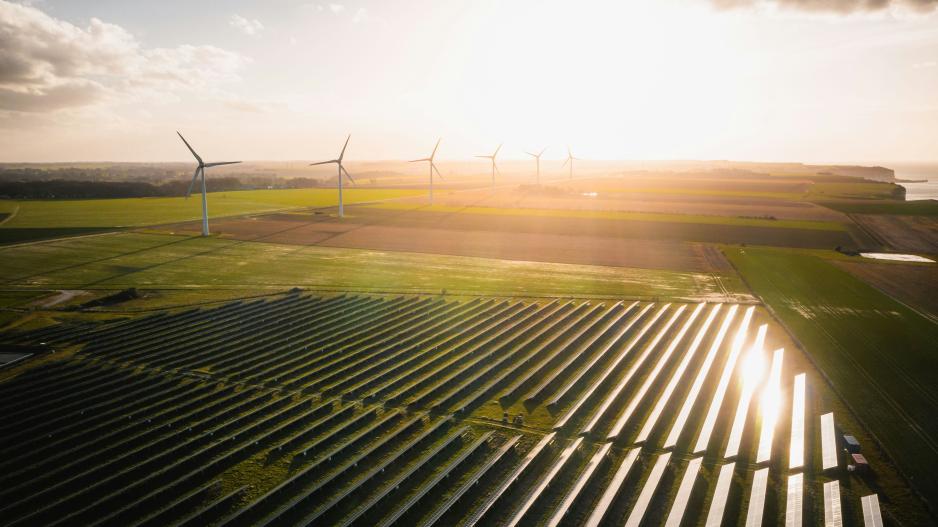
Cyprus can realistically achieve energy autonomy through Renewable Energy Sources (RES). This is the central conclusion of a study conducted by energy expert Michalis Drakoudis. The study, prepared within the framework of the “Energy Democracy” initiative, is based on thousands of hourly production–demand–storage balance calculations and, for the first time, accurately quantifies the real costs and benefits of a nearly fully green electricity system for Cyprus.
By analysing actual hourly electricity consumption and generation data for the entire year of 2024, the study demonstrates that Cyprus could cover 93.5% of its annual electricity demand exclusively from RES, primarily rooftop photovoltaic systems combined with centralised energy storage. The remaining 6.5% could be met through limited conventional backup generation or, at a later stage, through seasonal storage using green hydrogen.
According to the findings, achieving near-total energy coverage would require approximately 3,000 MW of additional rooftop photovoltaic capacity and 9,100 MWh of additional energy storage, beyond projects already in the implementation pipeline. The total investment cost of this transition is estimated at €2.3 billion, an amount that—based on current fuel and emissions prices—would be recouped in just 3.4 years.
Importantly, this cost estimate is not based on future assumptions or optimistic projections, but on current market prices. After the payback period, the system’s operating costs effectively approach zero, resulting in a permanent and structural reduction in electricity costs for households and businesses.
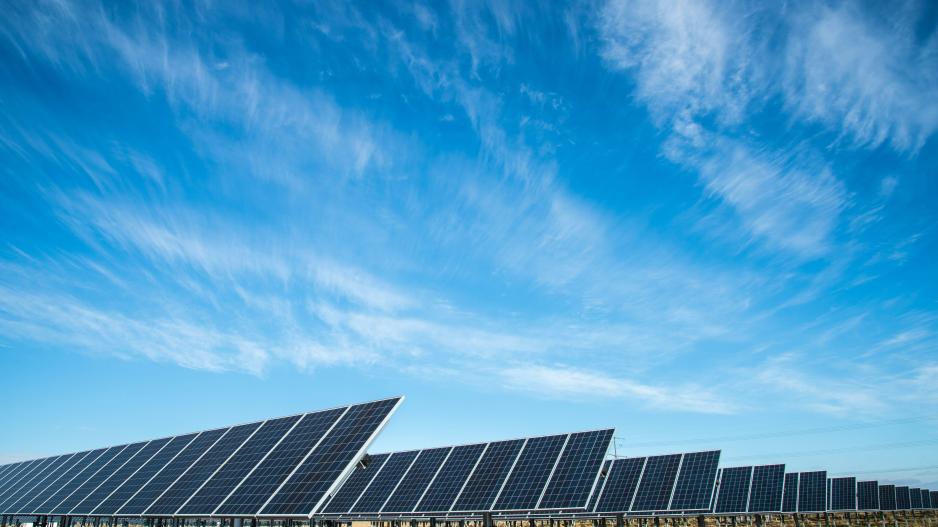
The analysis also shows that the annual surplus of renewable energy production far exceeds the deficit during periods of low generation. This creates opportunities to utilise excess electricity in sectors such as desalination and, in the medium term, in the production of green hydrogen for seasonal storage and industrial use. Existing thermal power plants could be retained as a security reserve for rare or extreme events, without continuing to serve as the backbone of the electricity system.
Another critical conclusion relates to spatial planning. The land area required for the additional photovoltaic installations is estimated at just 13–14 square kilometres, an area that can be comfortably covered by available building rooftops. This approach limits the need for large-scale solar parks, reduces environmental impacts, eases pressure on the grid, and strengthens energy democracy by transforming citizens from passive consumers into active energy producers.
From a system cost perspective, the study estimates that the average electricity price for consumers without photovoltaic systems could stabilise at around €0.11 per kilowatt-hour during the initial years—significantly lower than the current cost of electricity generation using fuel oil or natural gas. Unlike fuel imports, these expenditures would remain within the Cypriot economy, supporting stable employment and income generation.
The study also highlights that the current electricity market model does not allow for the development of state-owned energy storage systems, despite their technical necessity for a small and isolated electricity system such as Cyprus’s. For this reason, the adoption of a single buyer model is proposed, with a central role for the Electricity Authority of Cyprus (EAC), following examples from other small or island markets. Such a model would enable full coordination of generation, storage, and pricing.
The study’s core message is clear: Cyprus’s energy autonomy is no longer a technological challenge or an economic risk. It is a realistic policy choice, offering immediate and long-term benefits for the cost of living, the economy, and social cohesion.