Cyprus Evaluates Mega Battery Storage Bids to Avert Energy Instability
The TSOC assesses proposals for 120 MW of new battery systems to stabilize Cyprus’s fragile power grid.
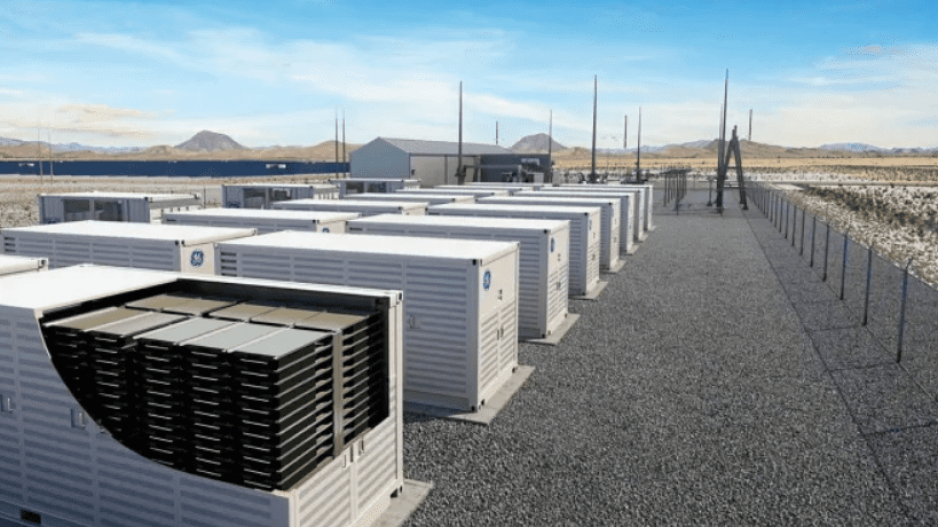
The project for the installation of large-scale battery energy storage systems in Cyprus has entered a crucial evaluation phase, following the submission of bids for the central tender (No. 299/2025) launched by the Cyprus Transmission System Operator (TSOC). The deadline for submissions was met as scheduled on October 6, 2025.
As Brief reports, at present, the TSOC is assessing the technical and financial offers submitted for the supply and installation of three major battery storage units with a total capacity of 120 MW and energy storage of 400 MWh. These systems will be installed at the substations of Athalassa, Eastern Limassol, and the Free Industrial Zone of Limassol, all owned by the Electricity Authority of Cyprus (EAC).
Sources close to the Operator report that the evaluation process is expected to be intensive and highly technical, given the significance of the project and the complexity of its requirements.
The selection of the contractor will be based on the best value-for-money criterion and the capacity to deliver a system that meets the strict operational, maintenance, and safety standards required by Cyprus’s isolated power network.
Once the evaluation is completed and approved by the Cyprus Energy Regulatory Authority (CERA), the final contract award will follow, marking the start of the implementation phase.
The European Investment Bank has consistently supported the immediate adoption of energy storage solutions in Cyprus, identifying battery storage as one of the most viable and realistic short-term option to address energy instability and renewable energy curtailments.
Through its JASPERS initiative, the EIB has provided technical assistance to the Cyprus Ministry of Energy in developing the national energy storage plan.
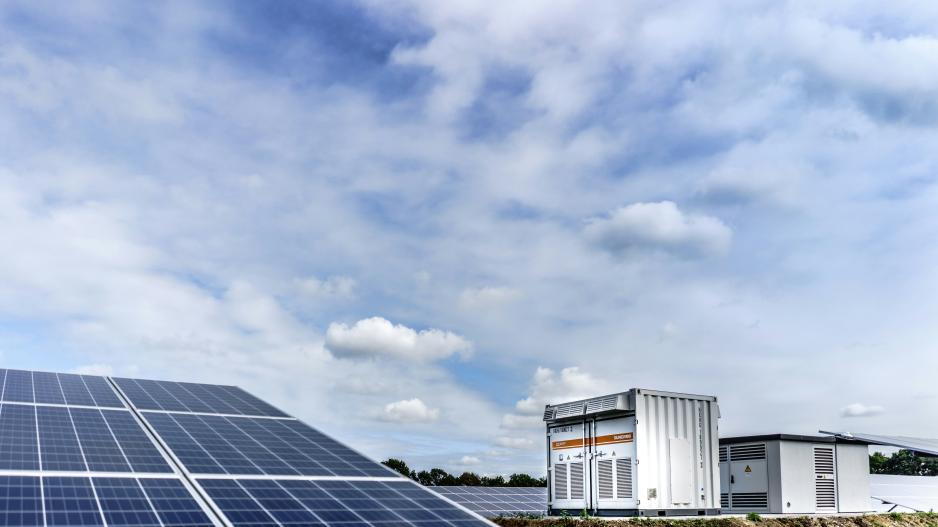
Cyprus is at a critical juncture in its green transition. The rapid expansion of Renewable Energy Sources (RES), particularly solar photovoltaics, has made the development of battery energy storage systems an essential prerequisite for ensuring the island’s energy security and independence.
As an energy-isolated island, Cyprus often faces curtailments of renewable energy production, particularly during midday hours, when excess electricity cannot be absorbed by the grid.
Battery storage offers one of the most effective solution to stabilize the grid, reduce curtailments, and enable greater renewable energy integration, while also reducing dependence on costly and polluting fossil fuel generation.
Beyond the central storage systems managed by the Transmission System Operator, the government has also launched multi-million-euro grant schemes—co-funded by EU mechanisms such as the Just Transition Fund—to support hybrid systems combining RES and storage for private investors.
Two key European financial institutions—the EIB and the European Bank for Reconstruction and Development (EBRD)—are actively involved in Cyprus’s evolving energy landscape, both promoting investment in green infrastructure.
The project’s timeline is extremely tight. Following the contract award, the selected contractor must proceed swiftly with design, supply, and installation, aiming to begin commercial operation by June 2026.
Timely completion is considered vital. The new systems will allow the TSOC to better manage excess renewable generation, minimize curtailments, and maintain grid stability—a crucial step until the GSI project potentially connects Cyprus to the European grid around 2029.