Minimum Wage Set at €1,088 — Unions Furious, Labour Tensions Loom
Cabinet decision faces strong opposition from trade unions and employers.
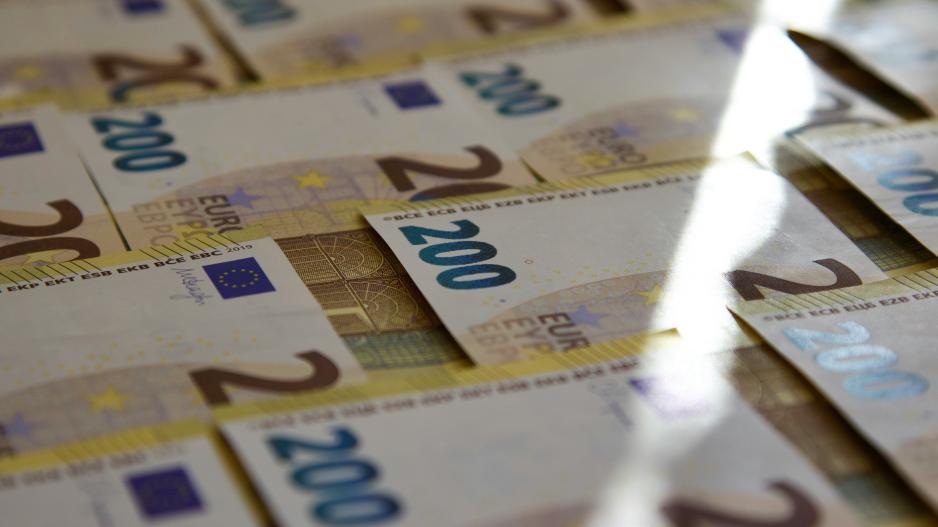
The Council of Ministers has approved an increase in the national minimum wage to €1,088 per month after six months of continuous employment, a decision that has immediately triggered strong reactions from trade unions and employers.
The new rate, up from €1,000, will take effect on 1 January 2026, following the issuance of a revised decree by the Ministry of Labour and Social Insurance, expected before the end of December.
The starting minimum wage during the first six months of employment will also rise, from €900 to €979.
Trade unions have expressed deep dissatisfaction, arguing the figure falls short of acceptable levels. They had warned the government that setting the minimum wage below €1,125 would prompt dynamic reactions from organised labour.
Union organisations had pushed for a minimum wage closer to €1,170, or at least €1,125, based on 58% of the median wage, a methodology used in previous adjustments. They also objected to the reference year used for calculations and criticised the government for not introducing an hourly minimum wage.
The government said the decision was based on a comprehensive assessment of economic and social data, including inflation, growth and employment levels, aiming to protect low-paid workers while safeguarding business sustainability.
According to official estimates, around 50,000 workers are expected to benefit from the increase. Labour Minister Marinos Mousiouttas confirmed the decree will be issued within days.
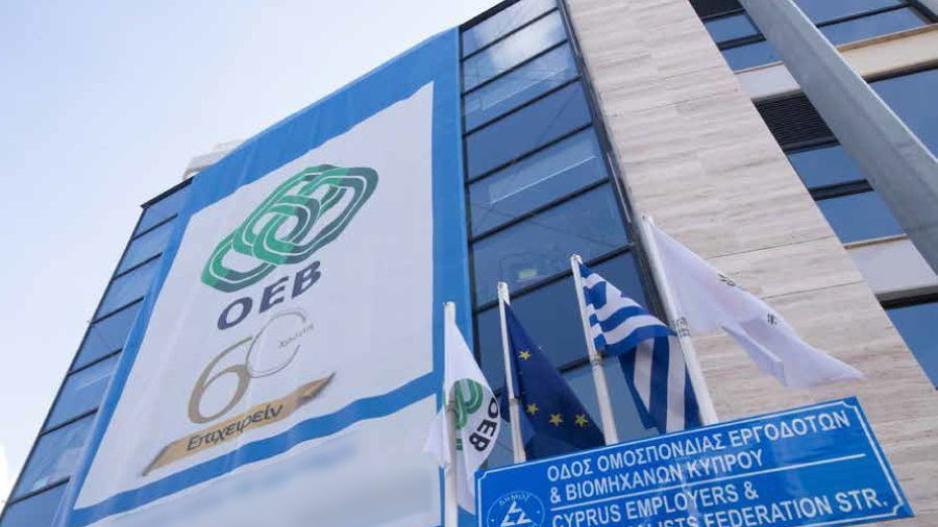
The Cyprus Employers & Industrialists Federation (OEB) has entered the growing debate over the government’s decision to raise the national minimum wage to €1,088, warning that the scale of the increase could trigger inflationary pressures and threaten business viability.
In a strongly worded statement, OEB stressed that the national minimum wage is not a social policy tool, but rather the minimum pay level for any worker over 15 years old, regardless of qualifications or experience.
OEB noted that the Cabinet-approved increase represents an 8.8% rise, pushing the minimum wage to 58% of Cyprus’ median wage. The federation compared this ratio to other EU economies, pointing out that it stands at 48% in the Netherlands, 51% in Germany and 54% in Luxembourg, questioning whether Cyprus’ economy can sustain a higher relative burden.
According to employers, the sharp rise is expected to automatically push up a wide range of wages, increasing operating costs across the economy.
OEB warned of a dual negative impact:
-
Businesses unable to absorb or pass on the added cost may face financial strain or viability issues
-
Businesses that do pass on costs risk fueling inflation, undermining real incomes and damaging national competitiveness
The federation said it will closely monitor the macroeconomic impact of what it described as an unprecedented increase in the national minimum wage.
The Cyprus Chamber of Commerce and Industry (CCCI / KEVE) has reacted to the government’s decision to raise the national minimum wage to €1,088, adopting a more moderate tone than other employer organisations while acknowledging concerns over the size of the increase.
In a statement, CCCI said it has studied the decision of the Ministry of Labour, noting that the increase is higher than initially expected. Nevertheless, it said it respects the Minister’s decision, which was taken within the framework of institutionalised social dialogue and based on the available data.
At this stage, CCCI said the priority should be the responsible and smooth implementation of the decision, stressing the need for cooperation among all stakeholders.
The chamber said it remains available for ongoing and constructive dialogue with the state, aiming to strengthen social cohesion and economic resilience.