Subsidy Scheme for Home Batteries Coming – Government’s Babel of Statements on the GSI Continues
Papanastasiou outlines new stances on energy market, consumer role, and battery subsidies.
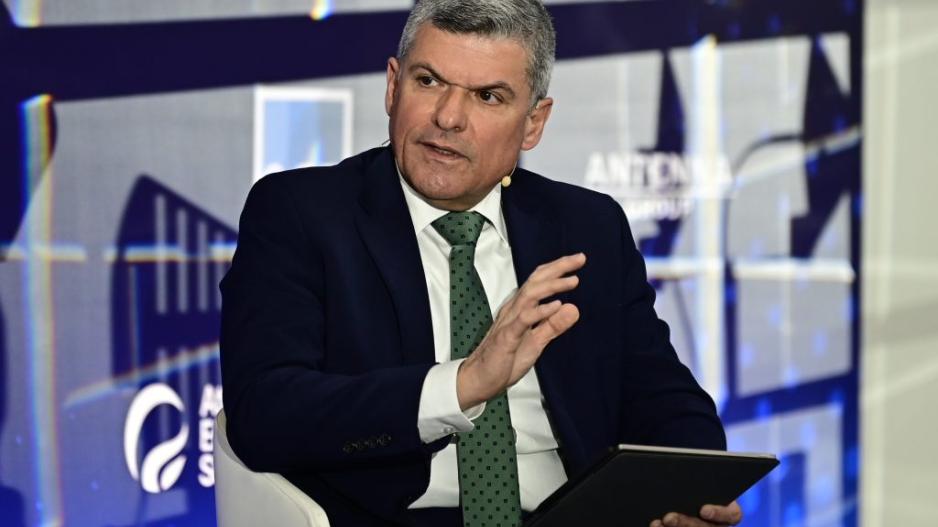
The “Babel” of statements on the Great Sea Interconnector (GSI) continues, highlighting the government’s weakness to present a unified and credible stance. Following contradictory comments from the President and the Finance Minister, Energy Minister George Papanastasiou has now added that “Cyprus is not concerned with whether the project is viable or not”, leaving unclear what the government collectively considers as the true challenges of the project.
George Papanastasiou underlined that the Interconnector is a European project and its viability is not for Cyprus to decide. “It’s not for us to judge if it is viable or not,” he said, stressing that the interconnection receives €657 million in EU funding and has access to another €100 million.
He noted three major challenges:
-
Financing — with overall costs estimated at €2 billion.
-
Technical complexity — laying an 892 km subsea cable between Cyprus and Crete at depths of 3 km.
-
Geopolitical considerations.
“This is a project that requires management, not cancellation,” Papanastasiou concluded.

On the competitive electricity market, Papanastasiou clarified that the outcome of liberalization is unpredictable: “No one knows where prices will go in a liberalized market—they could rise, fall, or remain the same.”
He pointed out that Cyprus’ small market does not easily foster strong competition, with final outcomes depending on suppliers’ behavior and consumer choices.
The Minister emphasized the critical role of consumers in shaping the future of the electricity sector: “Consumers must trigger competition with their demands and not remain complacent.”
He warned that if households stay loyal to their existing suppliers without seeking better deals, genuine competition will not develop.
Papanastasiou also announced a new subsidy scheme for home battery systems to be launched by year’s end. This initiative aims to let households store photovoltaic energy for later use, supporting both cost savings and grid stability. “We decided to create a central storage system for grid stability and, additionally, launch subsidies for household batteries,” he said.
This complements the government’s push for renewable energy integration and energy communities, with a first pilot project in Kato Pyrgos Tyllirias, supported by the European Commission.
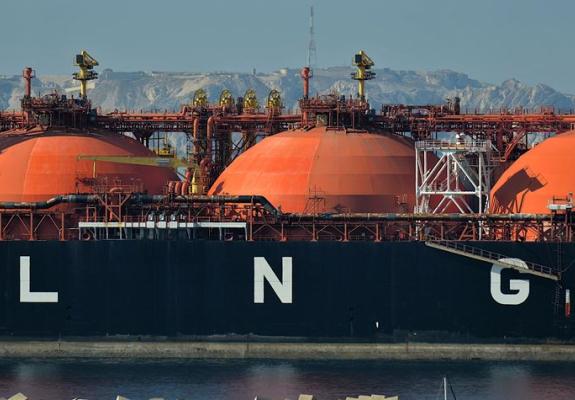
The Minister reaffirmed the government’s determination to complete the Vasilikos LNG terminal, noting that while the FSRU is 99% ready, the jetty and onshore facilities are only 45–50% complete. Temporary use of the FSRU is under consideration.
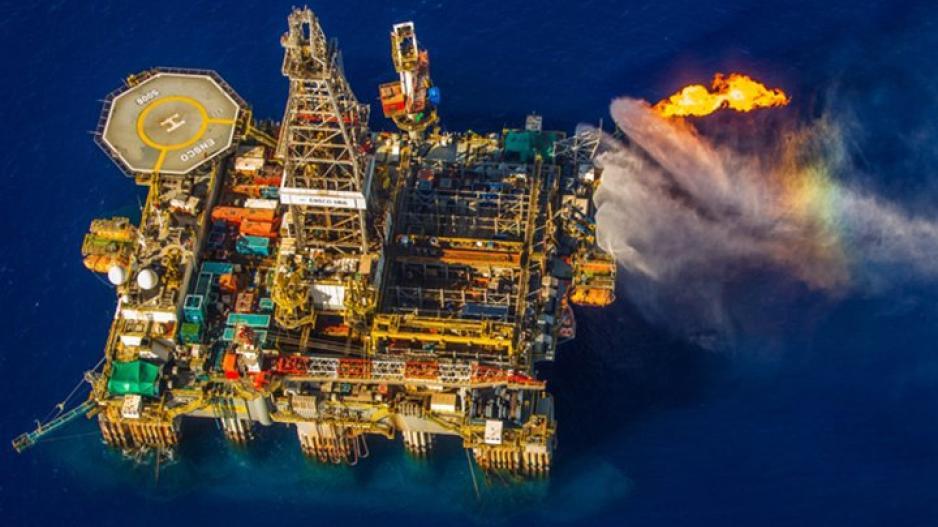
On the EEZ, Papanastasiou highlighted the Aphrodite and Kronos gas fields as the most advanced. Kronos is being fast-tracked for connection to Egypt’s Zohr facilities, while Aphrodite will rely on an offshore processing unit. Exports could begin by 2027, a “realistically optimistic” target.
Closing his remarks, the Minister reiterated the government’s consumer-centered approach: ensuring sufficient and affordable electricity without long-term dependence on subsidies. “For us, the consumer is crucial. They must have access to electricity at sufficient levels and affordable prices so the economy can be sustainable on its own,” he said.