Cyprus Tax Reform Goes to Plenary on Monday — Parties Fight Over Wealth Taxes
VAT-cut proposals are delayed, while bank windfall tax stays off Monday’s agenda.

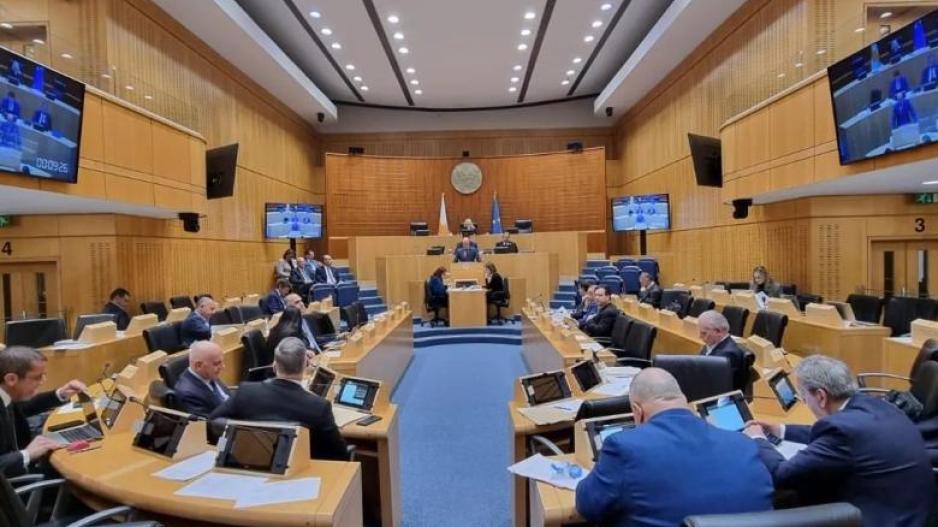
After six weeks of near-daily meetings running alongside budget scrutiny, the House Finance Committee on Thursday wrapped up its examination of the Cyprus tax reform package — a bundle of six government bills now headed to the plenary on Monday.
The headline change is the rise of the tax-free income threshold to €22,000, following joint amendments from DISY, DIKO, DIPA and EDEK that were incorporated into the government texts. The package also raises the family income ceiling for tax relief and introduces scaled tax credits aimed at supporting middle-income households.
Deductions linked to servicing performing housing loans and rent payments are set to increase to €2,000 from €1,500. The committee also confirmed the direction towards abolishing stamp duty, with the government expected to withdraw its amendment bill so a joint proposal can move forward.
Committee chair Christiana Erotokritou said the committee finished under “suffocating timelines,” arguing that passing the reform alongside the state budget would help the economy enter 2026 on stronger footing. She also pointed to enforcement measures such as requiring rent above €500 to be paid electronically by bank transfer to improve traceability.

Alongside the government package, MPs agreed to send two AKEL proposals to Monday’s plenary:
-
an annual property tax of 1 per mille (0.1%) on property wealth above €3 million; and
-
a graduated corporate levy on registered companies by asset size — starting at €350 for assets €1m–€2m, rising to €750 for €2m–€5m, and scaling up to €1,250 at higher tiers.
AKEL’s proposal to tax bank “excess” profits will not go to the plenary at this stage.
The committee meeting was marked by sharp exchanges. DISY and DIKO argued all AKEL proposals — including the bank measure — should be put to a vote, while AKEL said the bank issue is tied more closely to foreclosures and broader banking policy, accusing opponents of political point-scoring.
The Finance Ministry also voiced reservations on the two AKEL bills, noting the state property tax was abolished in 2017 and would need separate study to avoid double taxation given local authority charges. On the corporate levy, the ministry warned it could hurt business credibility, especially as the reform already lifts the corporate tax rate to 15%.
Late-stage amendments and clarifications included:
-
Cryptoassets: deleting broad wording that could have swept in social gifts, and explicitly covering profits from cryptoasset transactions plus certain contract-related payments (breach/cancellation/early termination).
-
Director responsibility: narrowing liability to the period of tenure, removing an extension beyond resignation.
-
Property transfers: backing removal of provisions that would have required buyers to secure certification of a seller’s tax debts above €50,000 before transfer, amid concerns it could block transactions.
-
Provident funds: an amendment preserving tax exemption for Provident Funds moves forward unanimously, while competition issues remain on the radar.
A Greens proposal is set to be integrated via amendment to exempt capital gains tax on sales arising from NPL restructurings tied to a primary residence — reported to cover homes up to €450,000 and loans that turned non-performing in 2022.
Meanwhile, proposals for reduced VAT on electricity, renovations/energy upgrades and basic goods were pulled from Monday’s agenda for further fiscal assessment and are expected to return in the new year.