Cyprus’s Great Energy Gamble
Big projects raised big hopes. Years later, most are stalled and under investigation. Two leading energy experts explain why Cyprus keeps falling short — and what must change.
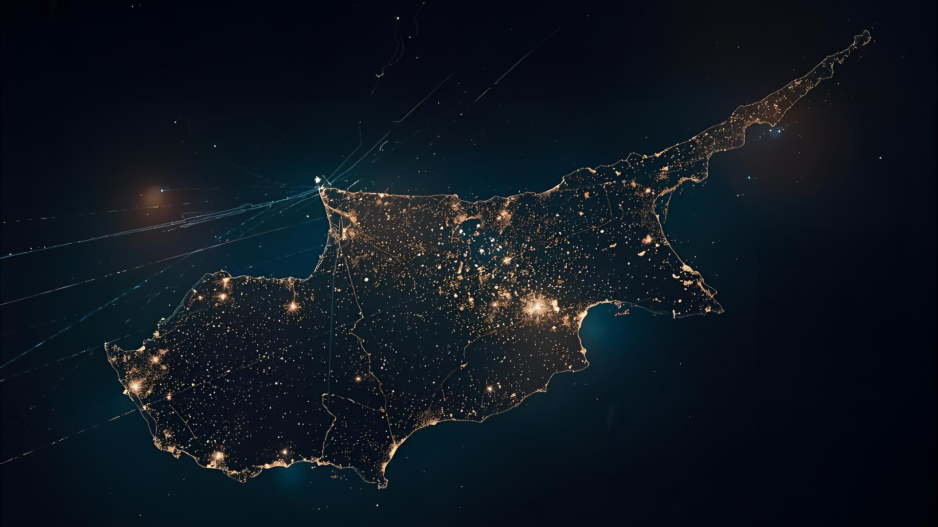
If a time traveler were to jump back 13 years, he would almost certainly be swept up in a sense of optimism about Cyprus’s grand energy plans. It was 2012 when the idea of an electricity interconnection with Greece, via Crete, first entered the public debate — a bold and promising project for the island. But that wasn’t the only reason for his optimism.
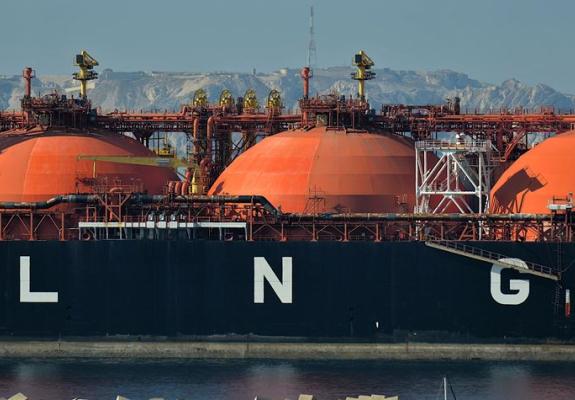
Some years earlier (2003-2006), two other landmark projects had already been brought to the table: the arrival of liquefied natural gas (LNG) through the construction of a terminal, and the prospect of exploiting potential gas reserves within Cyprus’s Exclusive Economic Zone. The first major spark of hope came with the 2011 discovery of the “Aphrodite” field.
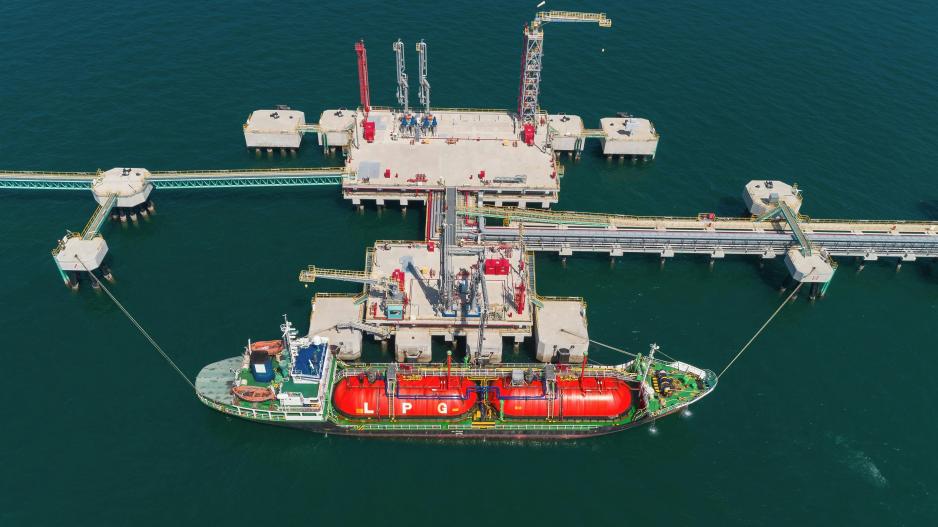
Fast forward to 2025, and the time traveler is faced with a far less optimistic picture. The Great Sea Interconnector remains up in the air, clouded by suspicion — laid bare by the unprecedented public clash between Cyprus and Greece in recent weeks. The LNG terminal at Vasilikos is still on ice, with deadlines stretched far beyond recognition, not only for the terminal itself but also for the arrival of Prometheus’s floating storage unit. To top it off, both projects are now under investigation by the European Public Prosecutor’s Office for possible fraud, kickbacks, mismanagement, and misuse of EU funds.
There are still faint glimmers of optimism in the exploitation of Cyprus’s EEZ, particularly in blocks 6, 10, and 12. Yet the volatile geopolitical landscape of the Eastern Mediterranean, along with the involvement of multiple players — Egypt, Israel, and energy companies from the US, Qatar, Italy, France, the UK, and Israel — makes the path forward anything but smooth. Once again, timelines — especially those publicly promised by successive energy ministers — have slipped into overextension.
This recurring pattern of drawn-out odysseys inevitably raises the question: why does Cyprus continue to deny its citizens, its businesses, and its environment cheaper and cleaner energy, while clinging to diesel and heavy fuel oil? And what blocks the island from breaking its isolation and connecting to Europe’s energy grid?
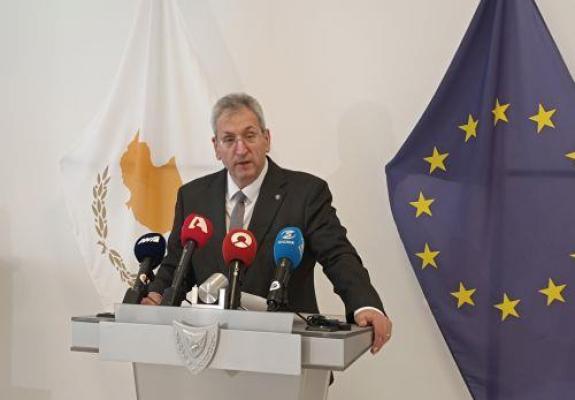
To explore these questions, FastForward spoke with two energy experts: Dr. Charles Ellinas, an international energy specialist, and Dr. Constantinos Hadjistassou, Associate Professor at the University of Nicosia’s Department of Engineering.
For Dr. Ellinas, the explanation is blunt: “This happens mostly with public sector projects. The private sector is doing better.” The problems, he argues, lie in the way Cyprus conceives, tenders, and manages major infrastructure. The LNG import project at Vasilikos is his prime example — awarded to the least experienced consortium on the basis of a single tender price, with four other qualified bidders rejected. “This is now at a standstill and is being investigated by the EU’s EPPO agency for corruption,” he adds, noting that DEFA and ETYFA lacked the expertise to properly oversee the project.
Hadjistassou offers a more nuanced view. “Every project has its own complexities,” he says. In the case of gas exploration, Cyprus has made discoveries and progress, but much still depends on the companies themselves. When it comes to the interconnector and LNG terminal, however, he points to weak contracts, lack of transparency, and awarding projects to entities without proven know-how. “It’s no secret that only a handful of companies worldwide specialize in such projects. We need to be much more careful with contracts, clauses, and how flexible we are when obligations aren’t met.”
Both experts agree: competence and oversight have been missing, and the results speak for themselves.
The failures cannot be explained away by technical glitches alone. Both Ellinas and Hadjistassou see deeper systemic issues at play — political overpromising, weak institutional capacity, and chronic mismanagement.
“These projects have been dragging on since 2003, when we first started talking about importing natural gas,” Hadjistassou notes. “Ambitious commitments were made, especially under EU energy targets, but implementation has lagged. Agreements with renewable producers, for instance, were unbalanced. Without better checks and balances, we risk making the same mistakes again and again.”
Ellinas echoes the point: badly defined scopes of work, questionable budgets, and “corrupt compromises” keep Cyprus stuck in the same cycle.
The experts also highlight the role of vested interests. For Ellinas, the renewable energy sector is a clear case. “Promoters have taken control of the renewables industry. They are now acting as a cartel, keeping prices high and raking in super-profits,” he argues. A government committee was set up to investigate, he notes, but the issue was quietly buried with the elections.
Hadjistassou sees distortions too. Fertile agricultural land has been used for large solar farms, when such planning should have been regulated from the outset. He recalls lobbying wars that even blocked incentives for battery storage — a technology vital for the island’s energy security. “Interventions are being made to tilt policy in favor of certain interests. We need checks and balances. It cannot be fully state-driven or fully private — there has to be balance.”
The Great Sea Interconnector itself, he adds, has become the target of lobbying both for and against its realization.
If the failures were simply bureaucratic headaches, the damage might be tolerable. But both experts emphasize the heavy price Cyprus pays for delay.
“The consequences are high energy prices, high emissions, and massive costs passed on to consumers,” says Ellinas. Cyprus has the second highest electricity prices in Europe — the highest if measured by purchasing power parity — and the highest emissions per capita. “The burden is passed to households and businesses. They complain, but in the end, they just pay.”
Hadjistassou widens the frame: “The consequences are cascading. We already face energy poverty, with electricity prices weighing heavily on households and competitiveness. Even a one-cent increase in electricity costs multiplies across the economy. We pay for emissions, and public health suffers from poor air quality, leading to early deaths and lower quality of life.”
For him, the 22-year delay in bringing natural gas to Cyprus is especially damaging. “Gas could have facilitated a 70–80 percent decarbonization of Cyprus. Time is not on our side.”
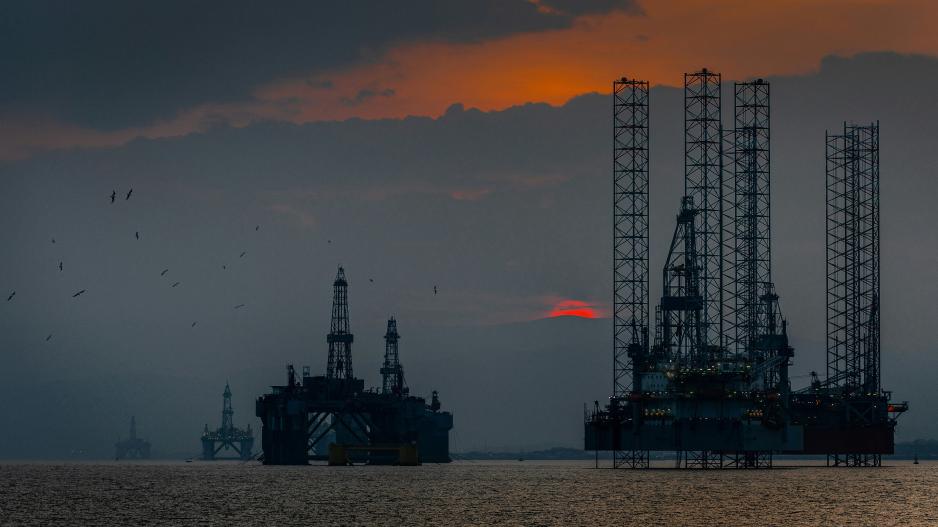
If repeated failure carries such a high price, why is it tolerated? Both experts agree: accountability in Cyprus is weak to nonexistent.
“It is rare that anybody in government takes responsibility and resigns or is prosecuted,” Ellinas observes. Government-led investigations, if they happen, “linger until forgotten and lapse.” Only the independent EPPO inquiry may apportion blame. The result, he says, is a system where vested interests act with impunity.
Hadjistassou points to the same direction: “There is not enough transparency to justify the money taxpayers spend. Wrong decisions are made — take Prometheus or the Vasilikos terminal — and yet responsibility is never assigned. The same happened after the Mari explosion or the financial collapse. Justice is not delivered. In a small society with overlapping interests, lessons are not carried forward, and mistakes are repeated.”
The risks, he warns, are not just reputational. “Public finances could be derailed by the interconnector and terminal, leaving little money for other priorities like storage. This is not a theoretical risk.”
Despite their harsh assessments, both experts see ways forward.
For Ellinas, the priority is clear: “Reform the tendering, award, and management of public projects, with active anti-corruption oversight.” Without this, he argues, Cyprus will continue to recycle the same failures.
Hadjistassou points to a necessary reform agenda. Meritocracy is essential, he says, with specialized professionals placed in key roles rather than politically connected appointees. Semi-state organizations need restructuring, advisory councils need to function, and the system must tap into the country’s real expertise. “We have capable people, but they are sidelined because they lack political connections,” he stresses.
He also sees hope in recent offshore developments, such as the Cronos field, which could finally place Cyprus more firmly on the energy map. But for progress to stick, coordination among stakeholders and alignment with EU goals are critical. “We need planning, coordination, and yes, a bit of patriotism for the good of the country.”
Looking ahead to next summer, Hadjistassou offers a sober warning: without adequate gas supply, storage, and renewables integration, Cyprus will face another season of energy strain, with risks of blackouts and water shortages. “These are not luxuries. They are basic needs that should have been secured long ago.”
Cyprus’s energy saga has become a story of promises without delivery, weighed down by mismanagement, vested interests, and lack of accountability. Yet the potential remains — in offshore gas discoveries, in renewables, in interconnection to Europe.
Whether Cyprus seizes that potential depends less on geology or technology, and more on governance. Reforming how projects are conceived, awarded, and managed; ensuring transparency and accountability; and empowering qualified professionals over political loyalists may sound like clichés, but they are precisely the steps Cyprus has avoided for two decades.
Without them, the time traveler who lands in Cyprus in 2035 may find the same stalled projects, the same broken promises — and another wasted decade.