Global Aviation in Shock: 2 Million Seats Cut as Fuel Costs Double
Surging Energy Prices and Middle East Tensions Force Airlines Into Massive Flight Cancellations, Leaving Travelers With Fewer Options and Higher Fares.
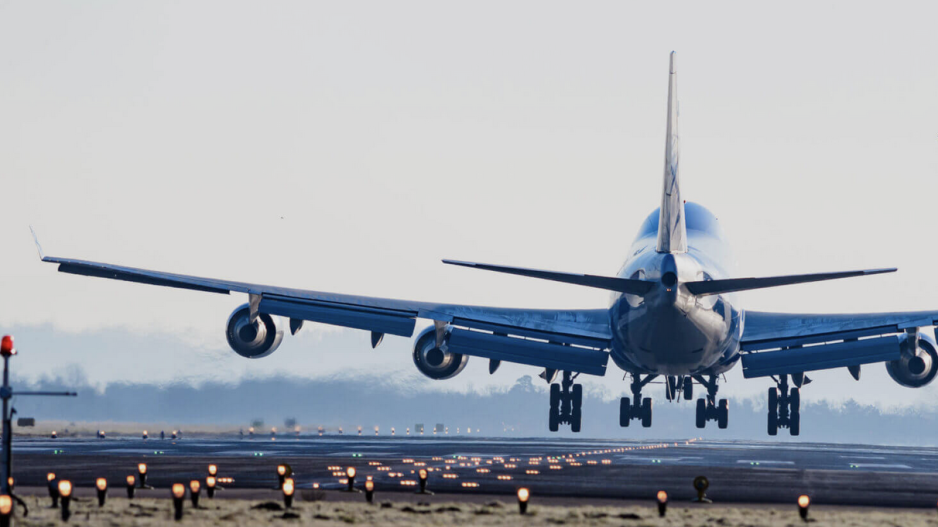
The global aviation market is entering a period of intense turbulence as the energy crisis, fueled by tensions in the Middle East, begins to directly impact flight schedules and seat availability. Airlines are moving forward with mass flight cuts, significantly limiting capacity through May in an effort to manage rising costs and uncertainties in fuel supply.
According to the Financial Times, within a span of just two weeks, approximately 2 million seats have been removed from global flight schedules. The total number of available seats dropped from 132 million to 130 million, while flight cancellations already reach 12,000. This reflects the industry's violent adjustment to new conditions as companies scramble to limit losses.
The root cause is the explosive increase in jet fuel costs. Since the start of the conflict in the Middle East, prices have nearly doubled, triggering chain reactions throughout the industry. Fuel prices have reached levels that make a large portion of routes marginally profitable or entirely loss-making.
A decisive factor is the disruption of oil flows through the Strait of Hormuz, one of the world's most critical energy transit points. The supply reduction has put intense pressure on international fuel markets, passing costs directly to airlines and, subsequently, to passengers. Additionally, the closure of key airports in the Gulf has further burdened operations, as these hubs serve as vital links between Europe and Asia.
Airlines are responding with a series of measures:
- Lufthansa stands out in Europe with the highest number of cancellations, removing approximately 20,000 flights from its schedule through October.
- In Asia, Air China is limiting both international and domestic routes, while All Nippon Airways and China Airlines are reshaping their networks.
- In the Middle East, major players like Emirates, Etihad, and Qatar Airways have already implemented adjustments.
- In the US, United Airlines and Spirit Airlines face heavy pressure, with Spirit even facing operational suspensions.
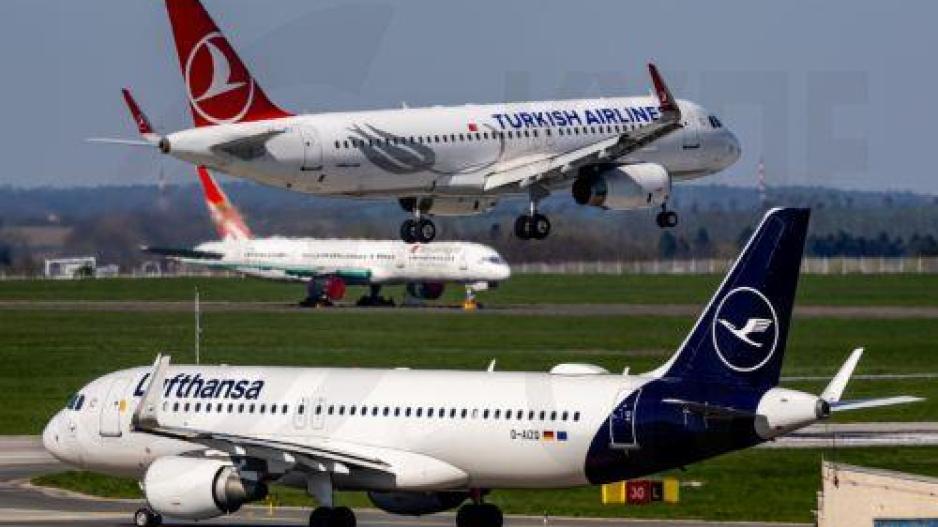
The rise in fuel costs is leading to ticket price hikes, while the reduction in available seats limits choices and increases travel uncertainty. This creates significant concern for the summer season, where demand traditionally peaks while supply is now restricted.
European authorities are monitoring the situation closely, warning the industry to prepare for a prolonged crisis. In some countries, such as the UK, airlines have been given the flexibility to merge passengers from different flights to limit the number of overall trips. New guidelines are also expected regarding fuel conservation and passenger rights during cancellations.
The outlook remains hazy, depending largely on the geopolitical trajectory of the Middle East crisis. With 2 million seats cut in just days, the industry's survival now depends on adaptability and risk management. The coming months will determine if aviation can return to balance or if this crisis will leave a permanent mark on the global market structure.