Global Release of Strategic Oil Reserves to Manage Energy Shock
Decisive Moves Under Pressure From Developments in the Middle East.
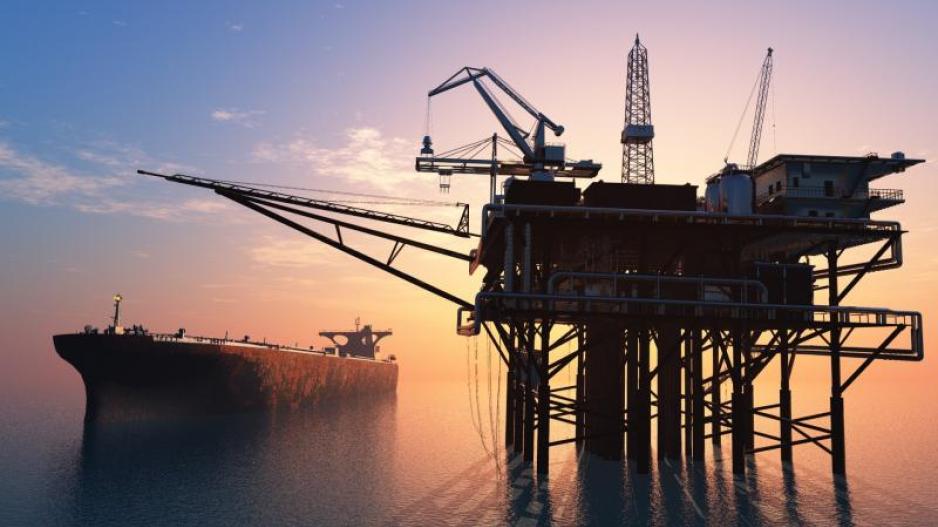
Facing one of the most dangerous energy crises in decades, the world’s largest economies have activated the strongest tool available to stabilize the market: their strategic energy reserves. Following an emergency meeting of the International Energy Agency (IEA), countries across Europe, Asia, and North America agreed to a coordinated release of approximately four hundred million barrels of oil from national reserves.
This marks the largest operation in the organization’s history, surpassing even the interventions made after Russia’s invasion of Ukraine in two thousand twenty two. The goal is to limit the explosive rise in oil prices and prevent a new global economic crisis.
The decision was taken under the pressure of dramatic developments in the Middle East. The escalation of conflict in the region led to the closure of the Strait of Hormuz, through which roughly twenty percent of global oil trade passes.
The disruption of tanker traffic triggered a chain reaction in global markets. Within days, the price of Brent crude surged close to one hundred and twenty dollars per barrel, raising fears of a new wave of inflation and a possible recession in major economies.
Governments fear that if the situation continues, transport, industry, and electricity generation in many countries could be directly affected. For this reason, a preventive intervention was decided before an actual fuel shortage emerges.
The Cyprus Organization for the Storage and Management of Oil Stocks (KODAP) is responsible for maintaining fuel reserves that ensure the country’s energy security for approximately ninety days in case of supply disruption.
For the period twenty twenty five to twenty twenty six, the minimum reserves that KODAP must maintain amount to five hundred and thirty six thousand tonnes of refined petroleum products, including gasoline, diesel, fuel oil, jet fuel, and other products.
At the beginning of twenty twenty six, the new privately owned storage terminal in Vasiliko strengthened the country’s autonomy by reducing dependence on rented storage facilities abroad.
The initiative has the backing of the G7 countries and is being implemented through the IEA. Several of the world’s largest economies are participating in the coordinated release.
United States
The United States is at the forefront of the operation, as it holds the world’s largest strategic oil reserve, known as the Strategic Petroleum Reserve (SPR), located in massive underground facilities in Texas and Louisiana. Washington is expected to supply a significant portion of the barrels entering the market.
Germany
Germany announced it will release part of its national reserves in order to protect heavy industry and transportation.
Austria
Austria aligned with the German initiative, participating in the coordinated release of fuel into the European market.
Japan
Japan announced it will begin releasing reserves from the start of next week.
South Korea
South Korea is also examining the possibility of releasing part of its reserves.
United Kingdom and France
The United Kingdom and France are participating in the coordination of the European response.
Countries taking a wait-and-see approach
India announced it will not release reserves for the time being, arguing that strategic fuel stocks should only be used in the case of an actual shortage.
China, which holds one of the largest oil reserves in the world, is monitoring developments without announcing any official participation.
The announcement of the coordinated release acted immediately as a psychological stabilizer in the markets. Within hours of the decisions being made public, oil prices dropped significantly, with Brent falling close to ninety dollars per barrel.
Investors believe that the large-scale release of government reserves could cover a substantial part of the supply loss for several months.
Despite the immediate relief in markets, experts warn that releasing reserves is only a temporary solution. Strategic reserves were designed to cover short-term crises rather than prolonged wars.
If the crisis in the Middle East continues and the Strait of Hormuz remains closed for an extended period, the global economy could once again face a major energy shock.
Source: Brief