Great Sea Interconnector: How the EIB’s “Stress Test” Will Shape the Project
The Bank’s Due Diligence Report Will Determine The Project’s Future Potential Risks And Key Timelines Ahead.
The countdown toward the possible implementation of the Great Sea Interconnector has already begun, with the attention of the international investment community focused on the European Investment Bank’s (EIB) due diligence report. While the €1.9-2 billion project is being described as a “lifeline” for Cyprus’ energy independence, the road toward the final investment decision in December 2026 resembles a minefield of technical and financial challenges.
According to sources close to the EIB, the Bank is expected to “unlock” the participation of major players such as the American DFC and the French investment firm Meridiam. At the same time, however, it could also identify issues that may disrupt current planning.
First, the due diligence process is expected to reassess the construction cost of the converter stations by October 2026. In an international environment marked by inflationary pressures on raw materials such as copper and steel, there is a risk that the original cost estimates may prove insufficient. If the EIB identifies a significant deviation from the €2 billion budget, the projected 8.3% return for Cyprus could shrink, discouraging private funds seeking stable and high-yield returns.
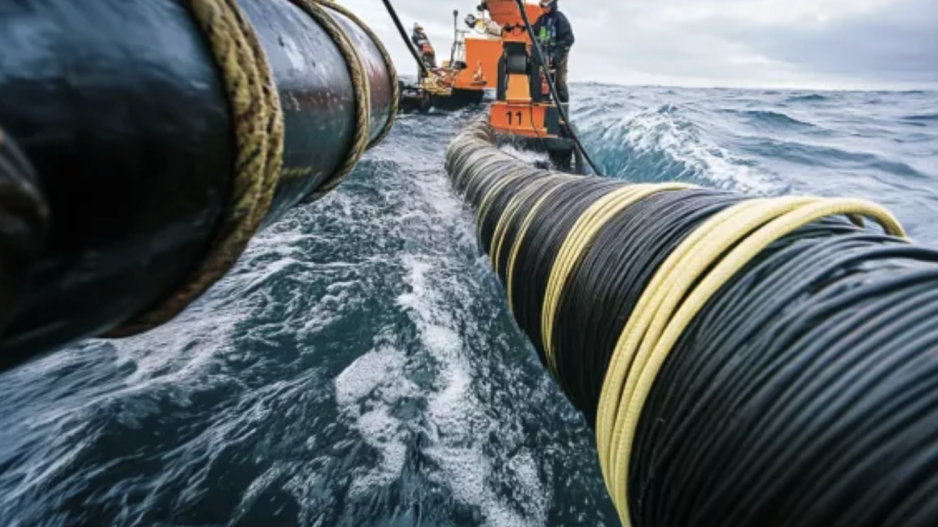
Second, laying the cable at a depth of 3,000 meters represents a global first. The EIB, known for its conservative approach to “first-of-a-kind” projects, will closely examine seabed studies and technical documentation. Any gaps regarding the cable’s durability under such pressure could lead to requests for additional time-consuming studies, pushing the start of trial operations beyond the 2029-2030 timeframe.
Third, the regulatory framework remains the backbone of the investment. The EIB will assess whether the guarantees provided adequately address geopolitical risk. If the Bank concludes that cost-recovery mechanisms in the event of external disruptions remain unclear, it may reduce financing below the target of €500-600 million. Such a development could force ADMIE to seek commercial loans with higher interest rates.
The project is backed by €657 million from the Connecting Europe Facility (CEF). Any delay in the EIB’s review process would create a domino effect. If the final investment decision is pushed into 2027, the flow of CEF funding installments could be jeopardized, as they depend on strict milestone compliance.
The position of DFC and Meridiam is equally clear, as their participation depends heavily on the EIB’s approval. If the due diligence report includes significant reservations or strict conditions, the expected inflow of capital during the first quarter of 2027 could freeze, leaving the project facing a funding gap during its most critical stage.
The next six months are expected to be decisive for the viability of the Great Sea Interconnector. The EIB’s due diligence process will determine whether ADMIE’s vision of reducing energy costs by 30% is realistic, or whether the project carries high levels of risk requiring additional safeguards.
Source: Brief