GSI: Cyprus-Greece Disputes Deepen — What’s Next for the Project
Regulatory deadlock, financial disputes, and Turkey’s opposition threaten the future of the €1.9 billion interconnector project.
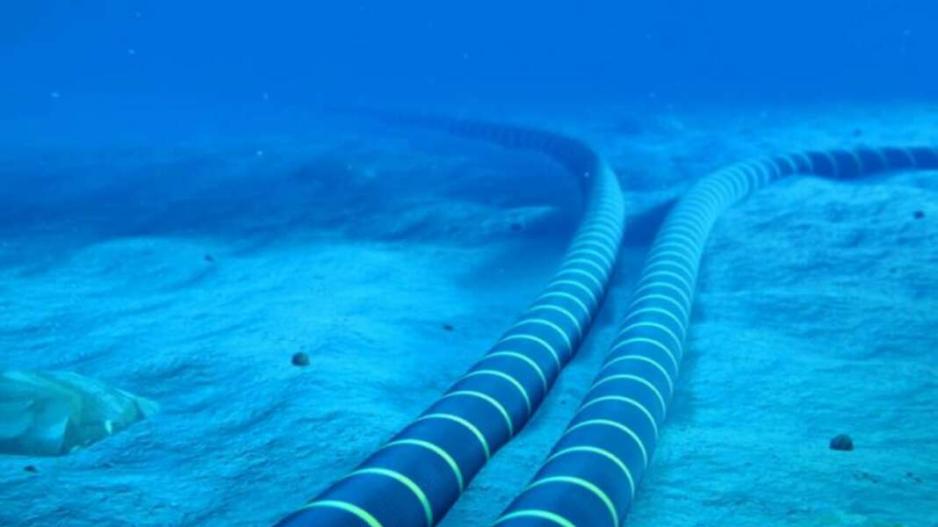
The long-delayed electricity interconnection between Cyprus and Greece (GSI) remains stuck in regulatory and political disputes, with fresh talks in Brussels again failing to deliver progress. Despite being labelled a Project of Common Interest for the EU, the €1.9 billion venture is mired in disagreements over licensing, cost recovery, and political backing, while Turkey’s obstruction adds a geopolitical layer of risk.
Last week’s videoconference between Cyprus’s energy regulator RAEK, Greece’s RAAEY, transmission operator ADMIE, and European Commission officials ended without “white smoke.” The Cypriot side deferred until October the transfer of ownership and operator licenses for the project — still held by EuroAsia Interconnector despite a 2023 deal with ADMIE. Without these approvals, the Finance Ministry in Nicosia has refused to endorse the annual €25 million revenue stream ADMIE is seeking to recover.
Cyprus has so far recognised just €82 million of the €251 million ADMIE claims to have spent, insisting the rest be assessed only once the project is complete. Additional disputes remain unresolved over operating costs (OPEX), the weighted average cost of capital (WACC), and €19 million in charges for idle research vessels.
Greek officials, frustrated with the delays, accuse Cyprus of sending mixed signals and undermining an EU-backed project meant to enhance security of supply and reduce reliance on fossil fuels.
The Commission is now expected to escalate the matter to a higher political level in a bid to break the deadlock. Cypriot diplomatic sources admit Turkey’s stance complicates matters further, noting that Ankara has blocked seabed surveys in international waters. President Recep Tayyip Erdoğan recently reiterated from the UN podium that “no project in the Eastern Mediterranean can proceed without Turkey,” directly alluding to GSI.

Amid the uncertainty, the European Investment Bank has signalled willingness to support the interconnector, provided both governments show full commitment. Speaking during the EIB board’s meeting in Nicosia on September 29–30, President Nadia Calviño underlined that the Bank is ready to back “strategic projects compatible with the energy strategies of both countries.” She framed GSI not only as a climate policy tool but also as a matter of competitiveness, lower energy costs, and European strategic autonomy.