GSI: How the EU Prosecutor’s Investigation Started – What It Will Cover
Blame Game Between Nicosia and Athens
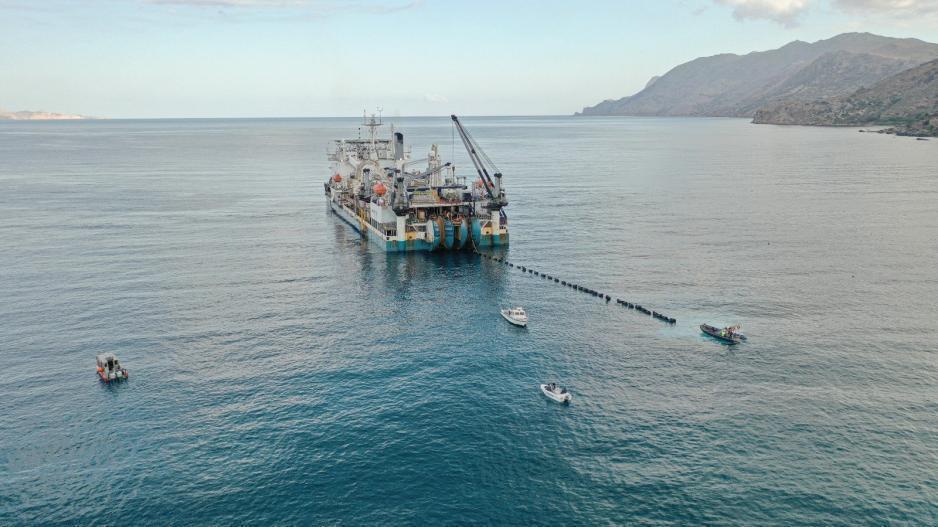
The ground under Cyprus’s energy strategy is shifting again. After the EU Public Prosecutor’s Office (EPPO) opened a case last year into the LNG terminal at Vasilikos, the same authority has now initiated a criminal investigation into the Great Sea Interconnector linking Cyprus, Greece (Crete) and, ultimately, mainland Europe.
According to information shared in Nicosia and Brussels, EPPO’s remit covers potential offences tied to EU financing and spans the project’s lifespan from 2013—when the interconnector was added to the EU’s Projects of Common Interest—to today. Investigators are expected to look at how funds were allocated and spent, the legality of contracting and sub-contracts, and the role of decision-makers in Cyprus, Greece and within EU structures.
The case also traces the project’s transition from EuroAsia Interconnector Ltd., which led it for a decade, to Greece’s transmission operator ADMIE, which took the helm in October 2023.
Financial trails are central: ADMIE has paid €48.8 million to EuroAsia Interconnector and €82 million to contractor Nexans, and has drawn down €164.5 million from the EU’s €657 million CEF grant. Complaints lodged from Greece and Cyprus raise questions about whether all EU resources were directed strictly to project contracts and whether third parties benefited improperly.
EPPO’s involvement carries procedural weight. The office operates independently, applies EU rules on evidence and defence rights, and relies on cross-border cooperation—elements designed to reduce the risk of political interference or gaps in the investigation. Officials in Nicosia privately concede that further delays to both the LNG and power-cable timelines now look likely, with reputational damage a growing concern.
The probe lands amid a public rift over the GSI inside the Cypriot government. Finance Minister Makis Keravnos has repeatedly questioned the scheme’s viability, citing two independent studies and warning against moving ahead without firm assurances on cost and risk-sharing. Energy Minister Giorgos Papanastasiou remains a vocal supporter. Caught between them, President Nikos Christodoulides has kept the project’s strategic label intact but shifted the spotlight to Athens: Cyprus’s backing, he says, depends on ADMIE delivering on commitments already undertaken.
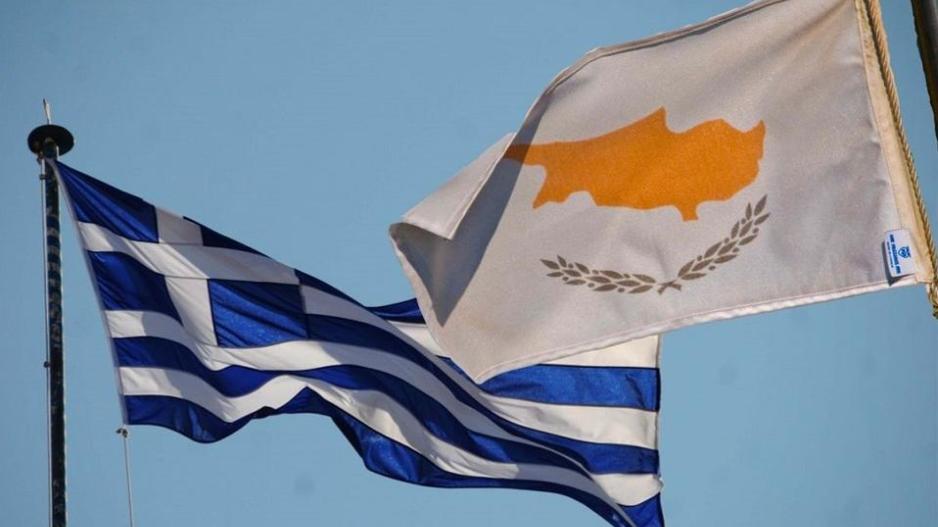
That framing has irritated Athens. Senior Greek officials have urged Nicosia to state clearly whether it wants the interconnector to proceed. Deputy Prime Minister Kostis Hatzidakis underlined that the cable is not a Greek national project but part of Europe’s energy-security architecture—and cannot be financed solely by Greek taxpayers. Government spokesman Pavlos Marinakis echoed the point. Foreign Minister Giorgos Gerapetritis, addressing Turkish objections, insisted recent pauses were due to scheduling, not Ankara’s actions, and warned of “consequences” should any third country obstruct cable-laying. He also flagged the practicalities still ahead, from phased NAVTEX notices to final timing for the next leg of seabed surveys.
Brussels continues to call the interconnector strategic, pointing to €657 million in CEF grants and an additional €100 million via the RRF, while acknowledging delays and technical hurdles. EU energy officials say they are working political and technical channels alike—including conversations with Turkey and project stakeholders—to keep the initiative alive.