Labour Minister Faces First Test with 4 “Hot” Issues on the Table
Pensions, minimum wages, collective agreements and student employment dominate today’s Labour Advisory Board meeting.
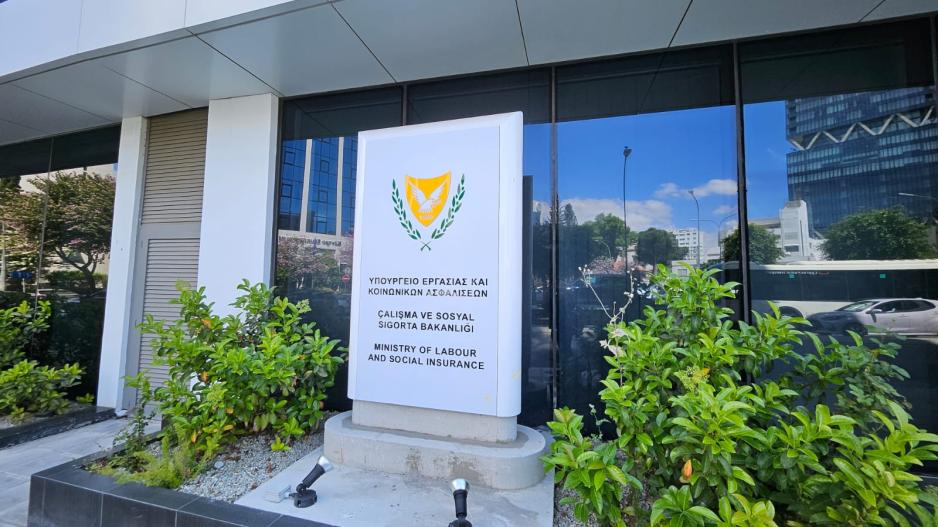
Labour Minister Marinos Mousiouttas is expected to face his first major test today, as he will chair the first meeting of the Labour Advisory Board (LAB) for 2026, with the agenda featuring 4 major labour-related issues.
At the top of the agenda is the reform of the pension system, which is expected to dominate discussions.
According to the agenda, the Minister of Labour and Social Insurance will provide a detailed briefing on the progress of procedures carried out to date. Views will be exchanged among the social partners, and a timeline for the completion of the social dialogue on the issue will be determined.
The second issue concerns the amending decree of 2025, which was approved by the Council of Ministers and published in the Official Gazette during the final week of last December.
The trade union movement has expressed disagreement with the level of the Guaranteed Minimum Income (GMI) revision, which was set at €1,088. Initially, unions had called for the withdrawal of the Cabinet decision and are now requesting the revocation of the decree itself.
Institutionally, however, it appears highly unlikely that the unions’ demand will be adopted, as a competent source told Brief.
The third issue relates to the decision and decree issued by the Minister of Labour concerning the employment of third-country nationals residing in the Republic as students.
As reported yesterday by Brief, the trade union movement has brought forward complaints against a number of employers, who are allegedly violating the criteria and employment conditions governing the relevant ministerial decree.
The social partners will also be presented with a draft of a new decree concerning the criteria and terms of employment of students who are third-country nationals.
Both social partners—employers and trade unions—will be invited to express their views or submit objections, should any arise.
The fourth major issue on the agenda concerns the extension of collective agreements in the private sector, specifically in relation to the adequacy of minimum wages, under legislation expected in 2026.
The discussion is expected to take place in light of a Court of Justice of the European Union ruling, as well as the government’s commitment to contribute to the expansion of collective bargaining mechanisms in the private sector.
It is clear that the Labour Advisory Board is set to delve into complex and sensitive matters from its very first meeting of the year.
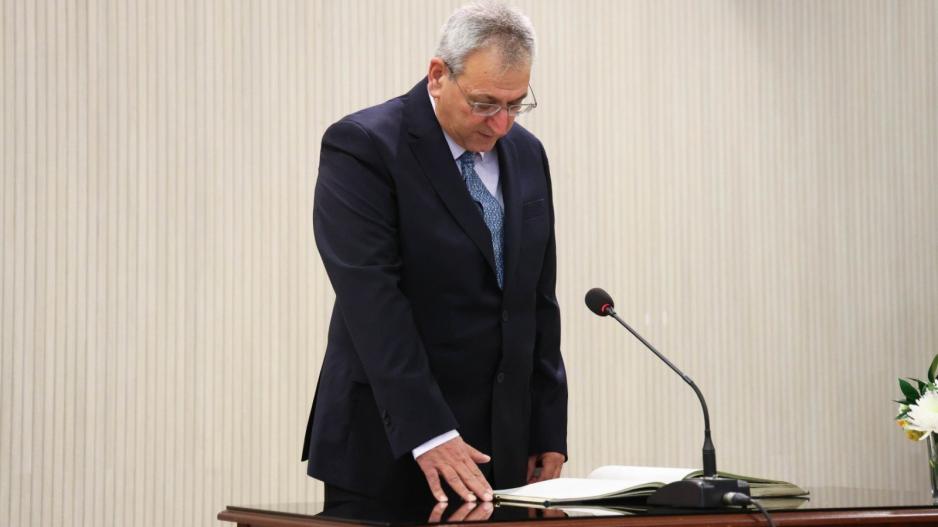
Invited by Brief to comment on the LAB meeting under his chairmanship—particularly given the “burning” issues on the agenda—Marinos Mousiouttas stated: “I will take the opportunity during the LAB meeting to stress to my social partners the importance we must all place on respect for institutions, procedures, the Industrial Relations Code, and especially tripartite cooperation.”
Mr Mousiouttas added that he looks forward to sincere cooperation with employer and trade union organisations, underlining that, within the framework of collective decision-making, he will always seek outcomes guided solely by the public interest.