Mackenzie Larnaca: Tax Gaps, Weak Oversight, and Unlicensed Venues
Cyprus Audit Office report warns of lost revenue, unfair VAT practices, and urgent need for stronger tax reform.
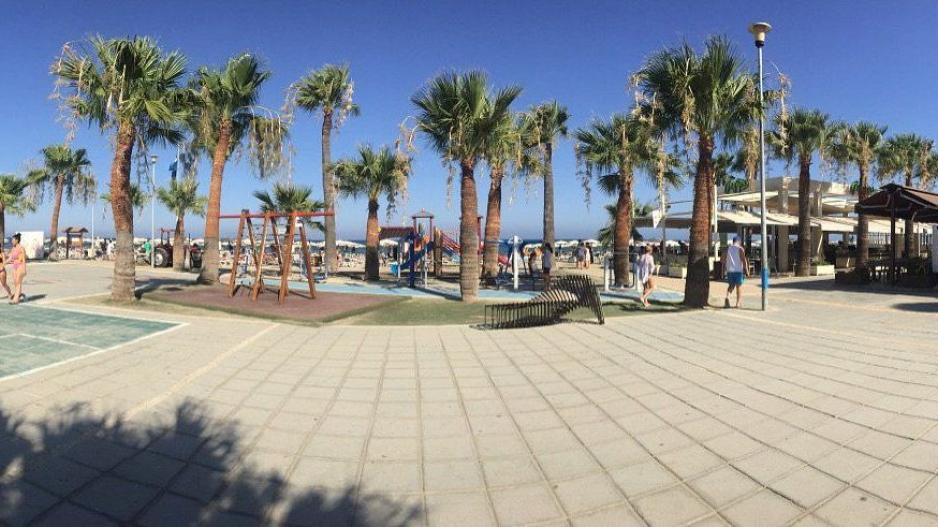
A special audit report by the Cyprus Audit Office has uncovered major lapses in tax supervision and potential loss of public revenue involving 11 leisure and restaurant businesses operating in the Mackenzie area of Larnaca. The findings, based on data from the Deputy Ministry of Tourism (2023), reveal systemic failures in tax enforcement and oversight by the Tax Department.
According to the report, the TD adopted a “relaxed approach” toward the companies, despite strong indications of tax evasion and a history of non-compliance.
One case involved a venue reported for issuing no receipts, keeping a “black cash pouch” next to its legal till, and even cutting electricity at 4:45 a.m. during a revenue inspection. Despite these red flags, no follow-up investigation was carried out, nor was the Tax Fraud Investigation Unit involved.
Most businesses were taxed “as declared” until 2021, without substantive auditing. In several cases, the statutory assessment period expired, preventing the state from collecting additional taxes. Companies with qualified or emphasis-of-matter audit opinions were also left unchecked.
The Audit Office found that many businesses declared unusually high and fluctuating management and staff expenses without proper documentation. There were also investments in subsidiaries that may have been used to offset taxes without adequate scrutiny.
Even more strikingly, numerous concerts by well-known artists in 2022–2023 had no corresponding artist tax or VAT filings. Event registers were incomplete, and no information flow was maintained between the venues and the TD — in violation of the 2019 VAT Decree.
The TD also estimated VAT liabilities conservatively, excluding major events with large audiences — a decision that “likely understated the companies’ tax debts,” the report notes.
Auditor General Andreas Papaconstantinou highlighted that the TD delayed for over three years in adjusting its practices following a court ruling on the reduced VAT rate for catering services. Moreover, the uneven application of VAT rates among similar businesses created “conditions of unfair competition.”
The Audit Office urged the TD to prioritize risk-based audits, enhance cooperation with the TFIU, and introduce mechanisms for swift legal alignment to prevent future revenue losses.
“The forthcoming tax reform must provide the Tax Department with the tools to enforce the law effectively and curb tax evasion to the fullest extent possible,” Papaconstantinou stated.
Adding to the concerns, the Deputy Ministry of Tourism confirmed that none of the Mackenzie establishments under review hold an operating license — an issue not covered by this audit but indicative of broader regulatory gaps.