The “Moment of Truth” for the Great Sea Interconnector
The EIB’s Due Diligence Will Determine the Project’s Implementation Trajectory.
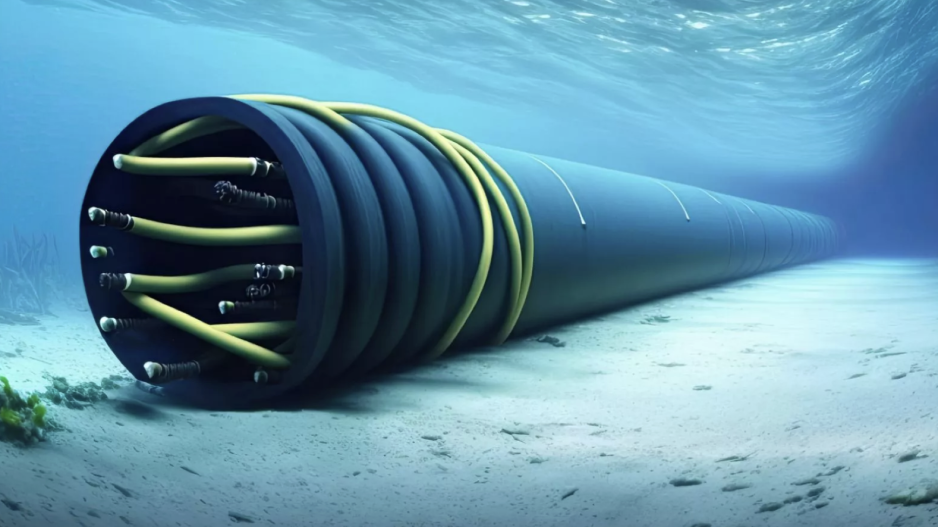
The electricity interconnection between Greece and Cyprus, known as the Great Sea Interconnector (GSI), is entering a decisive phase of maturity. After months of political and technical processes, the joint letter from the Ministries of Energy of Greece and Cyprus to the European Investment Bank (EIB), requesting the initiation of a due diligence study, represents the key step that could unlock the project’s implementation. This is a strategic move aimed at “certifying” the viability of the cable by Europe’s leading financial institution.
The EIB does not finance projects without first conducting a thorough review. The due diligence process now underway will function as a comprehensive stress test of the project. The Bank’s experts are expected to focus on four key pillars:
First, the evaluation of studies related to the HVDC submarine cable, including the challenges of deep-sea deployment and the reliability of the selected technologies.
Second, a cost-benefit analysis, taking into account projections for energy prices for consumers and the repayment of the investment through regulated revenues.
Third, the alignment of the GSI with the National Energy and Climate Plans of both countries. Inclusion in these frameworks gives the project a strategic character, positioning it as an essential link in the EU’s green transition.
Fourth, ensuring that the project complies with strict EU criteria for decarbonization and the protection of the marine environment.
Why are all stakeholders waiting for the EIB’s approval of the €1 billion loan? The answer lies in risk reduction. When the EIB puts its seal on a project, it sends a powerful signal to the global investment community that the project has been rigorously assessed, is secure, and is politically backed.
This “vote of confidence” serves as a gateway for private investor participation. Sovereign Wealth Funds from the United States and the United Arab Emirates, which are monitoring the GSI, are expected to move forward with capital commitments following a positive assessment by the Bank. The EIB’s involvement reduces investment risk, lowers the cost of capital, and makes the project more attractive.
The financing request concerns €1 billion, an amount that represents nearly 50 percent of the estimated total cost. The remaining budget is supported by a €657 million grant from the European Union under the Connecting Europe Facility (CEF), with the rest expected to be covered by equity from ADMIE and other private investors.
Loan terms, if the due diligence proves successful, will depend on the duration of the investment and the guarantees provided by the two states. The EIB typically offers favorable interest rates, but under strict conditions regarding project monitoring and compliance with timelines.
Acting as an evaluative arm of European policy, the EIB is tasked with weighing not only financial metrics but also the geopolitical significance of the GSI. At a time when energy independence is a central doctrine for the EU, a green light for the project would reinforce energy security in the Eastern Mediterranean, countering any attempts to hinder its implementation.
Source: Brief