New Deadlock Over ATA: Cyprus Employers Reject Mediation Plan, Unions Mull Response
OEB and CCCI’s rejection leaves labour relations in limbo as unions consider strike action.
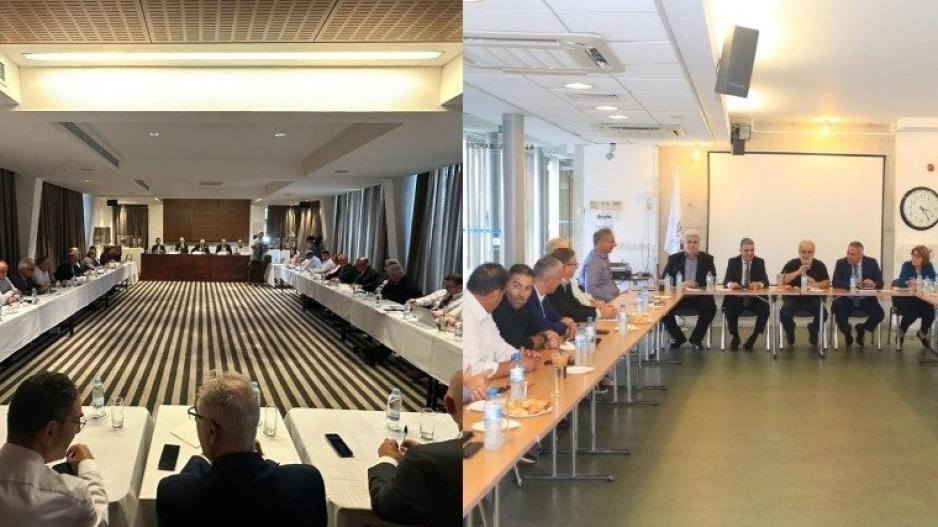
The day after the rejection of the government’s mediation proposal on the much-debated Cost-of-Living Allowance (ATA) dispute finds Cyprus’s labour relations in a state of uncertainty. The proposal, jointly presented by the Ministers of Finance and Labour, was unanimously rejected by the employers’ organisations OEB and CCCI.
Earlier, the Pan-Union Conference had unanimously agreed to accept the government’s proposal.
All established procedures for resolving the dispute over the ATA appear to have been exhausted, and from today, all social partners will need to explore new mechanisms that could lead them out of the current impasse.
According to information obtained by Brief, the process of social dialogue reached even the President of the Republic, who intervened as recently as last night — before the official announcement of the employers’ rejection of the government’s draft for a permanent ATA arrangement.
The pressing question now, as stakeholders admit, is: “Which institution is left to provide a way out?” Sources from both employer and trade union circles told Brief that “labour relations are entering uncharted waters.”
Following nearly four hours of deliberation, the executive committees of both OEB and CCCI unanimously decided to reject the joint ministerial proposal.
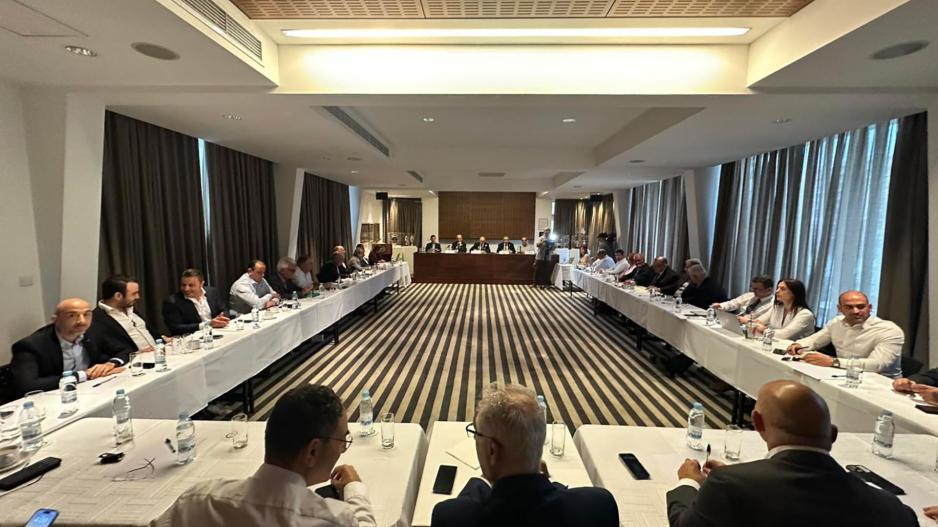
A single phrase in the section concerning tax incentives for businesses reportedly sparked strong reactions from employers.
“The decisive factor in our decision was the government’s last-minute inclusion of a clause in the draft agreement,” said OEB President George Pantelides, “which called on the employers to authorise the Ministers of Finance and Labour to implement measures extending ATA to more beneficiaries.”
CCCI President Stavros Stavrou added that “the wording used on this issue could be interpreted in ways that alarmed our members, which is precisely why the draft agreement was not accepted.”
The contentious clause in the government’s draft specifically stated: “The employer side is invited to authorise the Ministers of Finance and Labour to implement measures extending the ATA to more beneficiaries.”
Employers interpreted this as an attempt to trap businesses into endorsing, by their own consent, a broader adoption of the ATA system. They argue that such terminology was not part of the original text and insisted they would not accept it with their signatures.
Trade union representatives, speaking to Brief, stressed that the current draft had already been accepted by all organisational leaders during a meeting attended by the President of the Republic and the Ministers of Finance and Labour.
Following the employers’ rejection, the leaderships of the four trade unions participating in the ATA dialogue plan to convene a new Pan-Union Conference to assess developments and potentially activate their mandate for a general strike.
“We will give the government some time to manage the issue with the employers,” said Andreas Matsas of SEK and Sotiroula Charalambous of PEO in joint remarks to Brief.
Earlier, the Pan-Union Conference had unanimously agreed to accept the government’s proposal, stating: “The draft permanent agreement on ATA is accepted as is, without a single alteration.”
The unions also acknowledged the government’s contribution, noting: “The government’s role was decisive, and we thank it for its efforts.”