Nicosia Real Estate Proves Resilient as Q1 2026 Mortgages Reach €360 Million
Real Estate in Nicosia: The resilience of a market that "locks in" the future
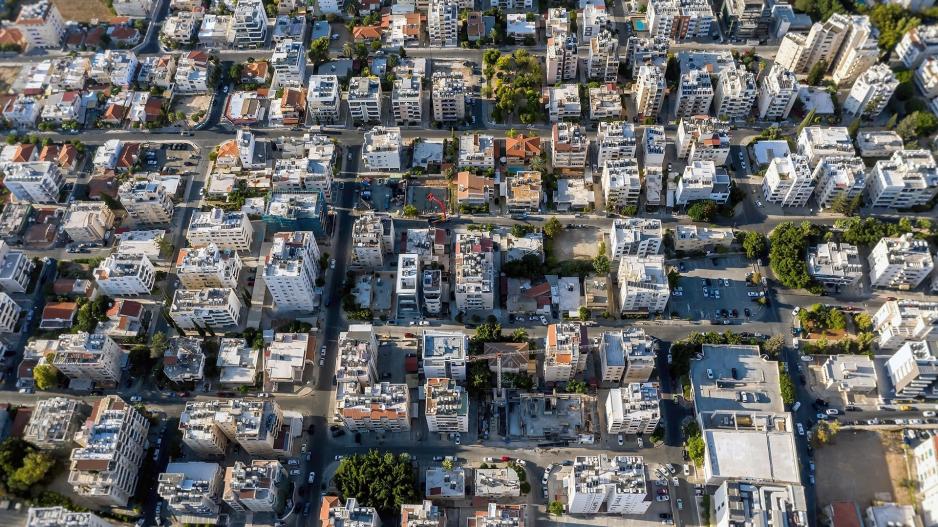
The new profile of buyers reshaping the capital
-
Nicosia as the ultimate "fortress" of investment confidence
Activity in the Nicosia property market continues at an increased pace, despite the challenging economic environment. Data from the first four months of 2026 show that Nicosia is strengthening its position as the country's primary investment pillar. With 1,750 mortgages to its credit, the market confirms its role as a dynamic, evolving economic organism, raising critical questions about who is truly "driving" this upward trend.
Official data reveal the momentum that is developing. During the first four months of 2026, 1,750 mortgages were registered in the Nicosia district, the total value of which amounted to €360,798,072. Comparatively, during the corresponding period of 2025, 1,583 mortgages were recorded, with a total value of €354,665,036. This increase demonstrates that the market maintains its attractiveness, even though there is a trend of rising interest rates and inflationary pressures.
The New Buyer Profile
Behind the numbers of these 1,750 mortgages lies a complex and multifaceted profile of buyers, which is shaping the capital's new reality:
-
The "family investors" consist of young couples and families looking for their first home. For them, purchasing a property is not a speculative move but the only solution to their housing problem, turning primarily to two- or three-bedroom apartments in areas like Strovolos and Latsia, which offer infrastructure and accessibility.
-
The "strategic savers," who possess liquidity and choose real estate as the safest "haven" against the "devaluation" of money. They prefer properties with easy rental potential, viewing real estate as a long-term source of passive income.
-
Investors purchasing older residences in the center of Nicosia or in mature neighborhoods for renovation, benefiting from the National Building Upgrade Scheme. Under this scheme, existing building stock is converted into energy-efficient units, combining aesthetic upgrades with financial returns.
-
Businesses operating in Nicosia that invest in privately owned offices or residential complexes for their staff, reinforcing market stability and proving their confidence in the city's prospects.
The mix of these buyers creates a "safety net" for the Nicosia market. Unlike cities that rely exclusively on tourism, the capital is fueled by domestic economic activity and the public's need for housing. According to market insiders, "the constantly increasing difficulty in finding affordable properties and the potential tightening of banking criteria in the second half of 2026 remain the major challenges. The market seems to be running fast, but whether this momentum can be sustained over the long term remains the crucial bet for the economy."
The question that naturally arises is whether this picture stems from a new "vote of confidence" from banking institutions toward the real estate sector, or if it is an enforced move to cover citizens' housing needs. The answer lies in the golden ratio between the two:
First, there is an imperative social necessity for housing.
Second, a targeted banking strategy is emerging. Credit institutions, having shielded their portfolios from the "red" loans of the past, recognize that Nicosia holds strong prospects.
The capital's market, ranging from newly built apartments in Strovolos and Latsia to redevelopments in the historic center of Nicosia, effectively allows for the diversification of risk.