Oil: The Global Map Is Changing
U.S. Strikes on Iran Also Target Beijing.
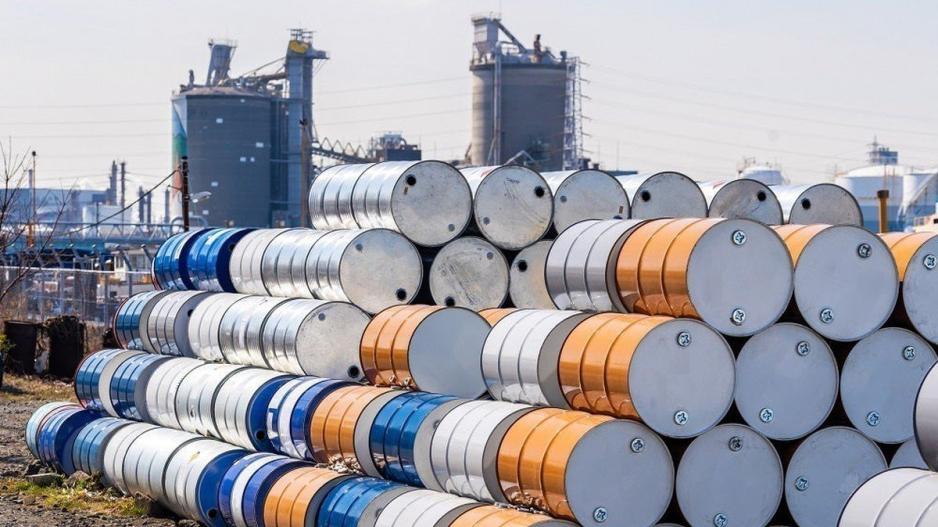
For decades, the global oil market appeared divided into two worlds: the “white” market, where oil was traded legally and transparently, and the “grey” market, where flows ended up under sanctions regimes from countries such as Venezuela, Russia, and Iran. Buyers in the grey market benefited from significant discounts without actually facing high risk for making that choice.
This landscape now appears to be shifting as a result of Trump’s policies.
Many analysts argue that one of the key targets of the U.S. strikes on Iran is actually located thousands of kilometers away from Iranian territory: the Chinese economy. For years, Beijing benefited from cheap oil coming from Iran and Venezuela, which moved outside official channels at large discounts and often through a “shadow fleet.”
Almost all of Iran’s exported oil, and more than half of Venezuela’s, went to China last year. Together, the two countries accounted for roughly 17 percent of China’s total oil purchases, according to data from analytics company Kpler.
With the current closure of the Strait of Hormuz and the overthrow of Nicolás Maduro, the picture is changing dramatically. China’s energy costs are rising at a time when its economy is slowing and its industrial competitiveness is being tested.
In Cuba’s case, the diplomacy of oil deprivation has a far more dramatic character. The country relied heavily on oil from Venezuela, which it received under favorable terms as part of political agreements.
The loss of these supplies following Maduro’s fall has translated into critical fuel shortages, blackouts, and deep economic pressure.
The government has been forced to reduce the operating hours of businesses, public services, and schools, while buses and trains have stopped running in many areas. The United Nations has warned of a “humanitarian collapse” on the island, as the acute lack of fuel and electricity makes it impossible to refrigerate food, supply medicines, or operate water pumps.
Following Russia’s invasion of Ukraine and the international sanctions imposed on Russian energy, India emerged as one of the Kremlin’s best customers.
New Delhi became the second-largest buyer of Russian oil after China. Under the threat of Trump’s tariffs, however, Prime Minister Narendra Modi’s government committed to changing its policy.
On February 6, Trump reduced tariffs on Indian imports from 50 percent to 25 percent, removing the additional punitive tariffs imposed in August 2025. Trump said the easing came because “India has committed to immediately stop directly or indirectly importing oil from the Russian Federation and has stated it will purchase energy products from the United States.”
According to preliminary data from India’s Ministry of Commerce and Industry for January 2026, the country significantly reduced imports of Russian oil and sourced more from Gulf countries and the United States.
Specifically, Russia’s share of India’s oil imports fell below 20 percent for the first time since May 2022. This shift is already costing India, even before the latest crisis in the Middle East.
“Every one-dollar increase in crude oil raises India’s annual import bill by approximately two billion dollars,” notes Indian financial group JM Financial Services in a special analysis.
The strategic elimination of cheap supplies raises a crucial question about the future of the global oil market: what would happen if large quantities of oil from Iran and Venezuela returned to the “normal” market?
Today, both countries produce significantly less oil than their actual capacity.
Iran pumps about three to three and a half million barrels per day, while under normal conditions, with full access to investment, technology, and international markets, it could approach or even exceed four and a half million barrels per day.
Similarly, Venezuela produced around one million barrels per day in 2025, even though its production capacity before the collapse of the state oil company and the sanctions exceeded two and a half to three million barrels per day. The country also holds the largest oil reserves in the world.
Reintegrating oil volumes from Iran and Venezuela into the official and transparent oil market would represent a structural increase in global supply.
In the medium to long term, this would push prices downward not only because of additional barrels, but also because the geopolitical risk premium currently embedded in international prices would decline.
At the same time, the shift from the “grey” to the regular market would reduce distortions: fewer opaque transactions, lower transportation and insurance costs, and less dependence on shadow fleets and complex financial structures. Oil would become cheaper across the entire supply chain.
However, such a development could also reshape the balance of global production. Countries like China and India, which in recent years benefited from discounts on Iranian, Russian, or Venezuelan oil, would lose the competitive advantage of cheaper energy.
In a normalized market environment, those discounts would disappear or be significantly reduced, narrowing the energy cost gap between them and Western economies.
This scenario could benefit Europe, which has struggled with high energy costs in recent years.
Lower international oil prices would ease pressure on energy-intensive sectors of the European economy, such as manufacturing, chemicals, metals, and transportation, improving their competitiveness.
In such a scenario, the global oil market would move toward a more balanced model, where growth would not rely on “cheap and exclusive” barrels but on the ability to produce higher added value.
Source: Brief