Oil Jumps, Gold Retreats as Israel-Iran Tensions Flare Again
The Fragile Ceasefire Faces New Tests as Investors Monitor Developments Across the Middle East.
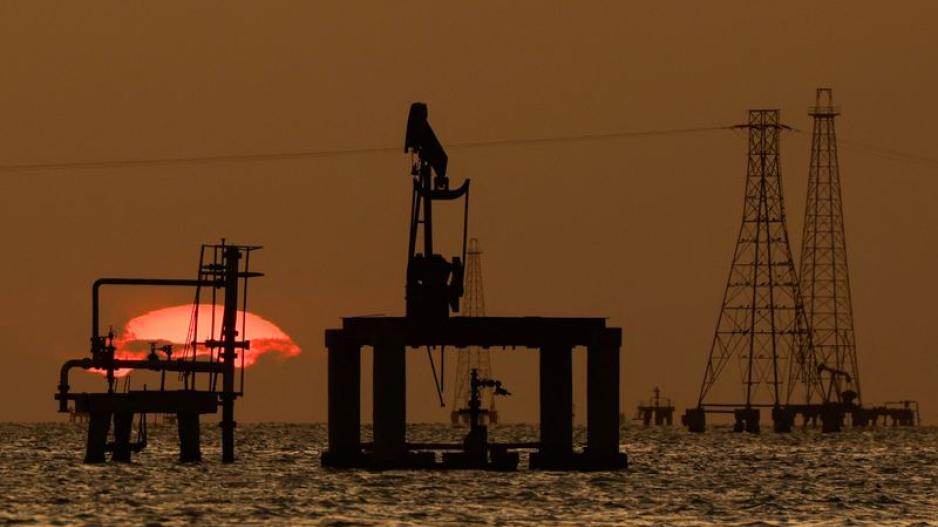
Oil prices surged after Israel announced strikes on military targets in Iran, putting the fragile ceasefire in the Middle East at risk as negotiations to end the war remain stalled.
Brent crude rose by as much as 4.4% to $97.15 per barrel, while West Texas Intermediate (WTI) climbed above $94 before giving back some of its gains. The Israel Defense Forces said on X that they had struck targets in western and central Iran following multiple missile attacks launched by Iran against Israel. Tehran said the attacks were intended as a warning to Israel to “cease its hostile actions” in Lebanon.
US President Donald Trump had earlier urged Iran to return to negotiations following the Israeli strikes, while criticizing Israel over a previous attack on Beirut on Sunday, according to reports citing a phone conversation. He also stated that he would press Israeli Prime Minister Benjamin Netanyahu not to proceed with retaliatory measures.
Over the past week, hostilities in the Middle East have escalated once again, threatening to derail the ceasefire and complicate efforts to reach an agreement to end the war. The conflict has brought the critical Strait of Hormuz close to disruption, restricting the flow of crude oil, fuels, and natural gas to international markets.
“The escalation between Israel and Iran this weekend reminds us how fragile the ceasefire really is,” said Andy Lipow, president of Lipow Oil Associates. “The increase in hostilities raises the geopolitical risk that the Strait could remain disrupted for longer than expected, while also increasing the likelihood that Iran could take additional steps to restrict shipping in the Red Sea.”
On Sunday, June 7, US Central Command (CENTCOM) announced that it had shot down two Iranian attack drones that were threatening international shipping in the Strait of Hormuz. This followed the launch of six ballistic missiles toward Bahrain and Kuwait on Friday, all of which were intercepted, while the US carried out strikes on Iranian coastal radar installations.
Several points of disagreement continue to prevent a peace agreement from being reached, including a parallel ceasefire between Israel and Lebanon. Iran is demanding a ceasefire on that front before any broader agreement can be secured, while an adviser to Supreme Leader Ayatollah Mojtaba Khamenei recently told CNN that “the ball is in Trump’s court.”
The US president told the Financial Times that the Israeli prime minister would have to accept any agreement reached between the United States and Iran.
“I make the decisions. I make all the decisions,” Trump said. “Netanyahu doesn’t make the decisions.”
On June 3, Israel and Lebanon agreed to a ceasefire that required Hezbollah to end its hostilities. However, the Iran-backed group rejected the agreement, and clashes with Israeli forces continued throughout the weekend.
“The market had underestimated just how significant the differences between the parties remain,” said Harris Khursheed, chief investment officer at Karobaar Capital in Chicago. “Markets keep swinging between expectations of a deal and the reality that neither side has meaningfully shifted its core positions. Every time optimism gets ahead of the facts, oil moves higher.”
Even if an agreement is reached between the US and Iran, several obstacles will delay the full restoration of oil flows. These include clearing mines from the Strait of Hormuz, restarting oil fields that have halted production, and repairing damage to energy infrastructure caused by missile and drone attacks.
Separately, OPEC+ agreed to increase oil production quotas for July by 188,000 barrels per day, although restrictions on exports from the Persian Gulf are preventing most members from fully implementing the increase.
Gold held on to its losses after Iran launched another round of missile attacks against Israel, further complicating efforts to end the war in the Middle East and continuing to weigh on global markets.
The precious metal traded near $4,335 per ounce on Monday after losing almost 5% during the previous week. The latest Iranian attacks on Sunday followed the most serious resurgence of regional tensions since a ceasefire was agreed in early April. Donald Trump said he still hopes to achieve a negotiated solution with Tehran.
The war, now entering its fourth month, has disrupted energy flows through the Strait of Hormuz, pushed oil prices higher, and intensified concerns about global inflation. This increases the likelihood that central banks will keep interest rates unchanged or even raise them further, a development generally viewed as negative for precious metals.
Key issues surrounding the conflict in the Middle East remain “unresolved,” said Rhona O’Connell, head of market analysis at StoneX Group. “Our expectation of a downward trend has so far been validated, but we remain alert for potential buying opportunities.”
Gold erased its gains for 2026 on Friday after strong US employment data reinforced expectations that the Federal Reserve may raise borrowing costs next year. Bond yields and the US dollar strengthened, putting additional pressure on gold, which is priced in dollars.
Investors are also assessing a fresh round of gold purchases by the People’s Bank of China, which added around 10 tonnes to its reserves last month. This marked the largest monthly increase since 2024 and the nineteenth consecutive month of purchases, underscoring the sustained demand from one of the world’s largest gold buyers.
At 7:40 a.m. in Singapore, gold was up 0.2% at $4,337.91 per ounce. Silver also gained 0.2% to $67.94 per ounce after falling nearly 10% the previous week. Platinum and palladium moved higher, while the US dollar index strengthened by 0.1% following a 1.1% rise the week before.
Source: CNBC & Bloomberg