Oil Surges Following New Round of Attacks in the Strait of Hormuz – Brent Headed Toward $100 Again

US WTI crude was trading slightly earlier at $92.34 per barrel, up 4.13%, while Brent gained 4.15%, reaching $98.20
Oil prices recorded a sharp increase during early trading in Asia following reports of new US strikes on Iranian military targets, which reignited fears that recent peace talks might give way to a fresh escalation of the conflict.
US WTI crude was trading slightly earlier at $92.34 per barrel, marking a 4.13% rise, while Brent strengthened by 4.15%, to $98.20.
This fresh rally comes after both benchmarks plunged by more than 7% earlier in the week, as traders began betting on a potential agreement that would allow for the restoration of shipping navigation through the Strait of Hormuz.
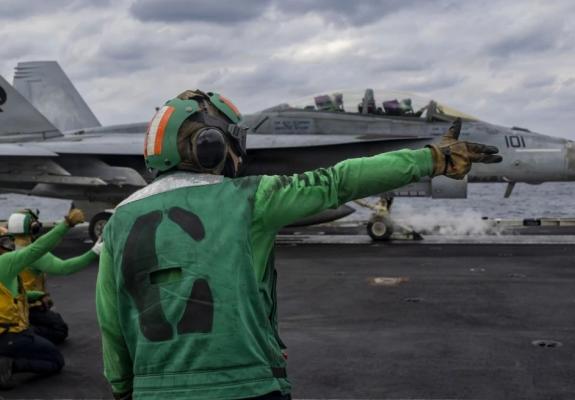
However, those hopes are receding once again following reports that the US military carried out attacks in southern Iran and shot down four Iranian attack drones. An official from the US Central Command maintained that the operation was defensive in nature, as the control station targeted was preparing to launch a fifth drone.
The latest military move followed statements on Wednesday by the President of the United States, Donald Trump, which indicated that he is in no rush to sign an agreement with Tehran.
Trump stated that a deal could be reached quickly, but made it clear that "unless it is a great deal, we are not going to make it."
During the same event, the US President also asserted that the United States is not discussing "any lifting of sanctions or giving money," while reiterating threats that the US would "finish" Iran if Tehran does not accept the American terms.
One of the primary reasons oil markets had positively welcomed the prospect of diplomatic de-escalation in recent days was signaling from Iranian media that an extension of the ceasefire was approaching, which could include sanctions relief and the unfreezing of Iranian assets.
Now, however, Trump's latest remarks alongside internal disagreements in Tehran appear to complicate this scenario.
According to a report by the Financial Times, hardline circles in Iran are openly attacking negotiators for considering compromises with Washington, insisting that Tehran must maintain full control over the Strait of Hormuz and make no concessions on the issue of uranium enrichment.
Beyond geopolitical tensions, fresh momentum is being given to prices by US oil inventory data, which amplifies concerns over tight supply in the physical market.
The American Petroleum Institute announced on Wednesday that US crude stockpiles fell by 2.8 million barrels last week, marking the sixth consecutive weekly decline.
Official data from the US Energy Information Administration is expected later on Thursday, delayed by one day due to the Memorial Day holiday.
For the time being, the ceasefire remains in place and talks are ongoing. However, the risk of a new explosive surge in oil prices will persist as long as a stable peace agreement and a long-term solution to secure navigation in the Strait of Hormuz remain absent.