Rising Fuel Prices Due to War Lead to Lower Sales
Domestic Demand Is Being Covered, But At Very High Prices.
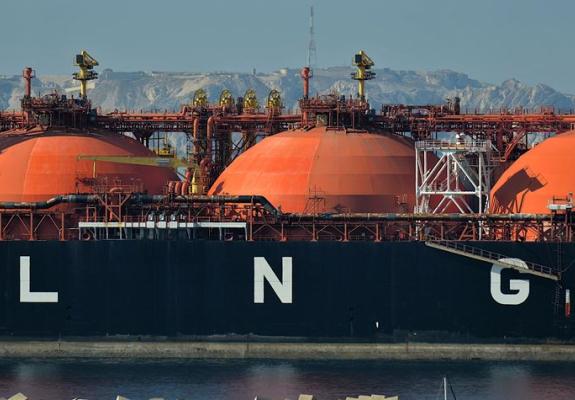
Supply restrictions, which have also driven up fuel prices as a result of the prolonged military crisis in the Middle East, are creating a negative combination that is also reflected in the figures released by the Statistical Service regarding petroleum sales.
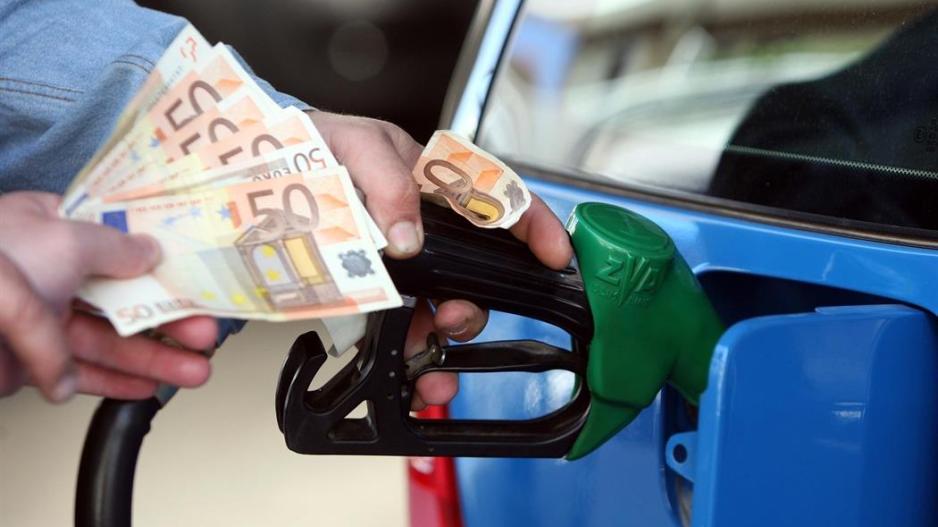
Households, under pressure from the dramatic increase in fuel prices, tightened their budgets, and this is evident from the fact that total petroleum sales last April reached 118,375 tonnes, recording a 5.0% decrease compared to the corresponding month in 2025.
As for sales from fuel stations, these recorded a decrease of 2.9%, reaching 53,151 tonnes.
It is clear that domestic fuel needs are still being met, but at very high prices, and this is a phenomenon that, at this stage, shows no signs of easing.
According to the Statistical Service, declines were also recorded in the supply of petroleum to aircraft (-2.3%) and ships (-1.7%), as well as in sales of heavy and light fuel oil (-58.8% and -40.3% respectively), heating oil (-8.0%), liquefied petroleum gas (-4.2%), diesel (-3.3%), and gasoline (-0.4%).
On the other hand, increases were recorded in kerosene sales (34.4%) and asphalt sales (4.3%).
Total petroleum sales in April 2026, compared to March 2026, recorded a decline of 7.0%.
Indicatively, supplies of petroleum to ships fell by 6.8%, while diesel sales dropped by 10.1% and gasoline sales by 4.2%. In contrast, petroleum supplies to aircraft increased by 52.3%.
Total petroleum reserves at the end of April 2026 increased by 22.3% compared to the end of the previous month.
During the January-April 2026 period, total petroleum sales recorded an increase of 5.9% compared to the corresponding period of the previous year.
Source: Brief