Technip: 7 Key Risks for Cyprus’ LNG Terminal at Vasilikos
The decision to proceed with the FEED will depend on the results of the “Gap Analysis” prepared by the project’s consultant, Technip.
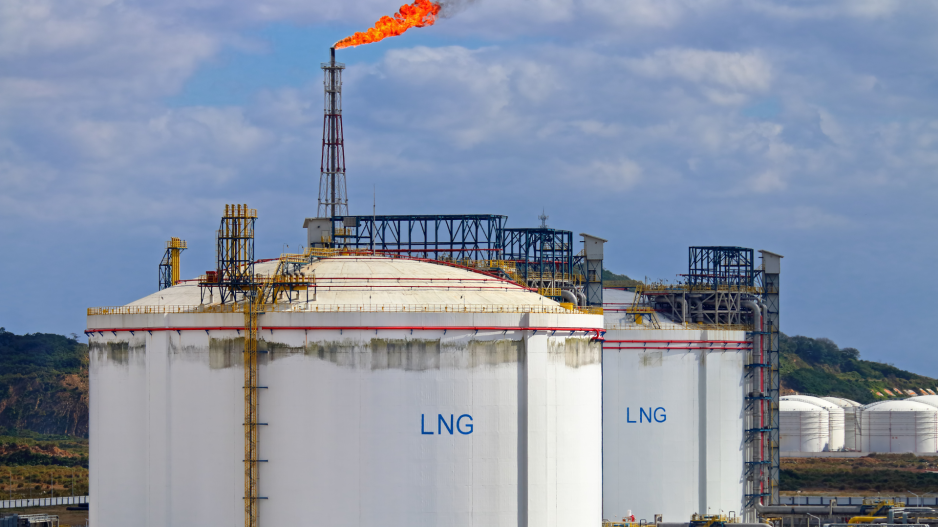
The new Front-End Engineering Design (FEED) — essentially a mini redesign phase — is expected to determine the course for completing the Liquefied Natural Gas (LNG) Terminal at Vasilikos. Through the FEED, the technical specifications, equipment, safety systems, and timelines will be precisely defined, ensuring that the terminal is operationally functional and economically viable.
According to Brief, the decision to proceed with the FEED will depend on the results of the “Gap Analysis” prepared by the project’s consultant, Technip. The source noted that if the study identifies significant issues, the redesign phase will proceed. However, if no major problems are found, the government is expected to immediately move forward with a call for construction tenders.
The FEED represents a detailed pre-engineering phase rather than final design or construction. In the case of the Vasilikos Terminal, it will define the exact completion roadmap, ensuring functionality, safety, and financial sustainability. If the “Gap Analysis,” expected to be delivered to the Minister of Energy before the end of the year, concludes that the project is on track, tenders will be issued.
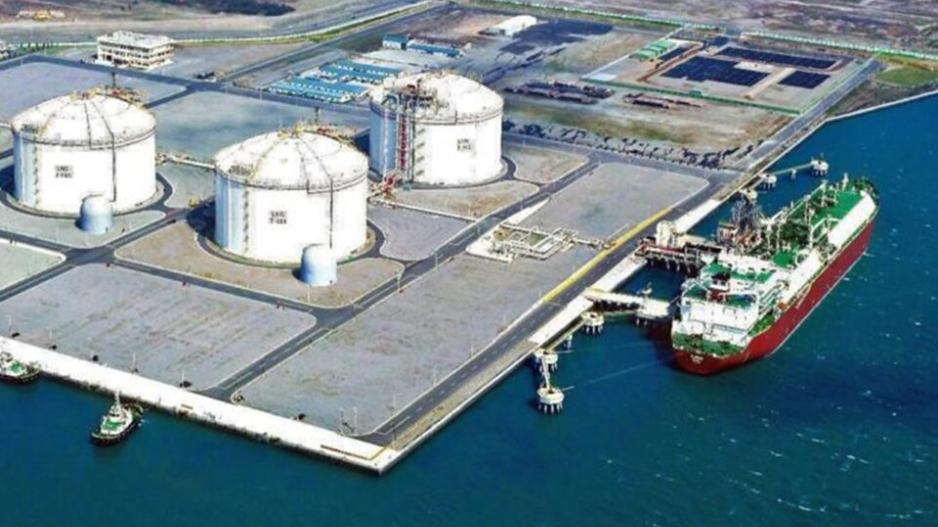
According to Technip’s preliminary recommendations, seven key issues concerning the Vasilikos Terminal have been identified:
-
The initial design is incomplete, leaving gaps that make it insufficient for the terminal’s full operational functionality.
-
A re-evaluation is required to identify discrepancies between design and construction, particularly since around 50% of the project is already completed.
-
Premature decision-making before completing the analytical study poses a high operational risk, potentially leading to further delays or even project failure.
-
The re-evaluation phase is “strongly recommended”, deemed crucial for the project’s continuity and viability.
-
In case of major discrepancies, a new FEED-type redesign will be necessary to define exact completion steps, including technical details, equipment, and timelines.
-
Launching tenders at this stage is considered risky, as the lack of full technical and financial data could lead to problems during implementation.
-
There is a serious risk of limited interest from construction companies due to the project’s complexity and cost, which could further complicate completion.
Technip, an international engineering firm with extensive experience in large-scale energy projects, is leading the advisory process. The company specializes in energy and major infrastructure developments and maintains operations across Europe, the Middle East, Asia, Africa, and the Americas.