The Unseen Effects of Climate Change In Our Daily Lives
The Rising Cost of Living Has More to Do With the Climate Than Many People Realize.
When people discuss the rising cost of living, familiar explanations usually dominate the conversation. Inflation, supply chain disruptions, geopolitical tensions, tariffs, and energy markets are often cited as the primary reasons why everyday expenses continue to climb.
While the above certainly factors in, there is another contributor that is increasingly difficult to ignore; climate change.
For many, climate change still feels like a distant environmental issue, something associated with melting glaciers, rising sea levels, or extreme weather events happening elsewhere. Increasingly, however, its effects are appearing much closer to home, not only through heatwaves and storms, but through household budgets.
Recent studies suggest that climate change is already creating measurable financial burdens for households. The study estimates that climate-related impacts are currently costing the average U.S. household between $400 and $900 per year. These costs are not arriving as a single bill. Instead, they are spread across multiple spending categories, making them easy to overlook.
Most people do not see a charge labeled “climate change” on their monthly statements. They simply notice that insurance costs more than it used to, utility bills keep rising, and grocery shopping feels increasingly expensive.
Energy costs are an area where climate impacts are becoming increasingly visible.
Warmer summers mean greater demand for air conditioning, placing additional pressure on electricity grids. At the same time, extreme weather can damage energy infrastructure, requiring expensive repairs that utilities often pass on to consumers through higher rates. This creates a vicious cycle of increasing costs.
For many households, particularly during prolonged heatwaves, staying cool is no longer simply a matter of comfort. It has become a growing financial expense.
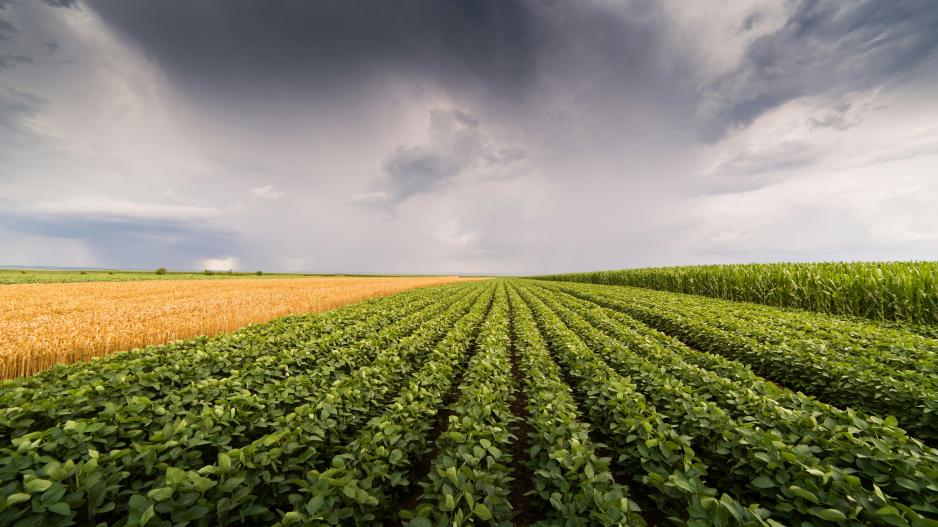
Agriculture has always depended on weather conditions, but a less predictable climate introduces new challenges. Heatwaves, droughts, floods, and severe storms can damage crops, reduce yields, disrupt harvest schedules, and affect the supply chains that move food from producers to consumers.
Research suggests that climate change has contributed to higher food prices over recent decades, with the impact becoming particularly noticeable when extreme weather affects major agricultural regions.
Reduced supply often translates directly into higher prices for fruits, vegetables, grains, coffee, and other everyday products. The challenge is not simply producing food. It is maintaining stable food systems.
The broader economic implications extend well beyond household budgets.
Weather-related disasters have caused trillions of dollars in economic losses globally over recent decades. Infrastructure damage, supply chain disruptions, productivity losses, and recovery costs all place additional strain on economies.
These expenses eventually manifest themselves in the form of increased insurance premiums, more expensive goods and services, and ultimately, higher costs for businesses and consumers alike.
The conversation around climate change is often framed around future generations and long-term environmental outcomes. Those concerns remain important. Yet the economic effects are increasingly becoming a present-day reality.
The challenge is that these costs arrive gradually. There is no single moment when climate change suddenly appears on a household budget. Instead, it persists through a series of small increases that accumulate over time.
A higher insurance premium. A larger electricity bill. More expensive groceries.
Individually, they may seem manageable. Collectively, they represent a growing financial burden that many households are already carrying.
The question is not whether the climate crisis is affecting the cost of living, but how much more expensive everyday life will become as the climate continues to change.