US Congress Advances Eastern Mediterranean Gateway Act for IMEC Corridor
Bipartisan bill positions the Eastern Mediterranean as a strategic gateway linking India, the Gulf, and Europe/
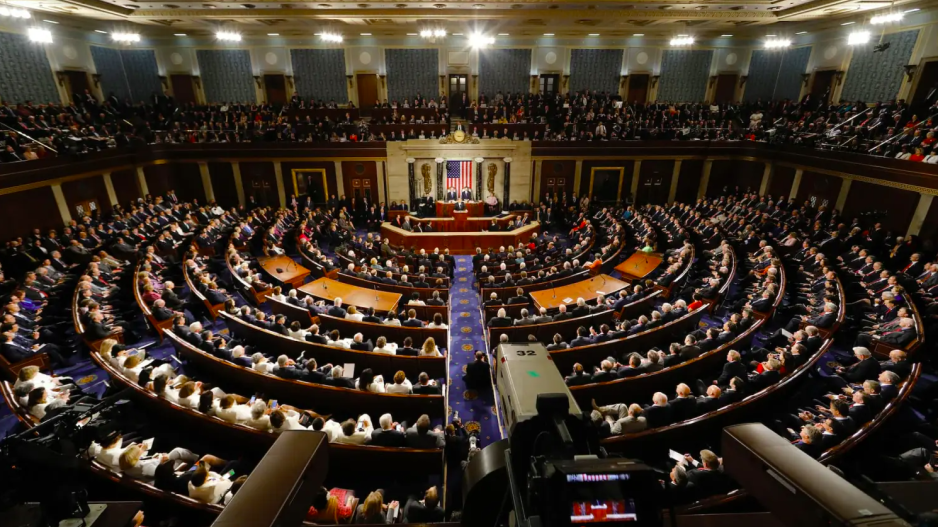
The next critical step in the legislative process of the bill aimed at promoting the India–Middle East–Europe Economic Corridor (IMEC) was completed with its approval by the House Committee on Foreign Affairs.
The bill, titled the “Eastern Mediterranean Gateway Act,” seeks to formally anchor the Eastern Mediterranean as a strategic gateway to the emerging IMEC corridor, by integrating the region into the broader framework of US connectivity and security planning.
The vote in the Foreign Affairs Committee gives new momentum to the legislation, as it clears the way for its submission to the House plenary.
However, given that 2026 is a US midterm election year, it is widely expected that the House will focus almost exclusively on legislation related to the federal budget and Pentagon funding.
As a result, it is anticipated that the bill will ultimately be incorporated as an amendment into one of the two core legislative packages governing government funding.
The bipartisan proposal, introduced by Democratic Congressman Brad Schneider and Republican Congressman Gus Bilirakis, focuses on deepening energy and defense cooperation between the United States and key partner countries, including India, Greece, Cyprus, Israel, and Egypt, while linking their critical infrastructure to the broader IMEC axis.
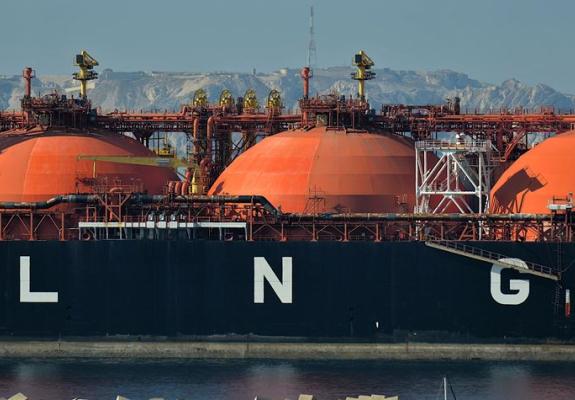
At the heart of the bill are specific energy projects designated as strategically significant. These include the Great Sea Interconnector, the Greece–Egypt electricity interconnection (GREGY), the Greece–Bulgaria natural gas pipeline, as well as new LNG terminals.
These projects are presented as essential pillars for both Europe’s energy security and the operational viability of a corridor intended to connect India, the Gulf, and the European continent.
The legislation calls on the US Secretary of State to elevate the Eastern Mediterranean to a standing priority of US foreign policy, to actively support existing cooperation frameworks—particularly the 3+1 format (Greece, Cyprus, Israel, and the United States)—and to strengthen the role of the East Mediterranean Gas Forum.
At the same time, the bill aligns with the 2022 law on Israel normalization, promoting regional convergence through enhanced diplomatic and economic ties, including the Abraham Accords.
The Act also mandates the submission of annual reports to Congress, focusing on the implementation of the law, the evolution of multilateral initiatives, and progress in energy and defense projects.
Within the same framework, the bill calls for a feasibility study on the creation of bilateral cooperation programs with Eastern Mediterranean countries, based on existing Greek–Israeli models in areas such as agriculture, technology, security, and science, with the possibility of extending these programs to other IMEC participant countries.
Special reference is made to Cyprus’ CYCLOPS Security Center, which is highlighted as a model of regional cooperation, as well as to the recent presidential decree integrating Cyprus into US defense equipment programs.
Finally, the legislation stipulates that within one year of its enactment, the Secretary of State must brief the relevant Congressional committees on all multilateral initiatives involving the United States and IMEC countries. Within the same timeframe, and in coordination with the Department of Homeland Security, an assessment must be submitted on the operation of CYCLOPS as a potential model for broader multilateral cooperation.