Vasilikos Terminal: What Will Be Decided on the LNG Project After the Technip Study
New delivery model, timelines and costs under review by ETYFA and the Energy Ministry.
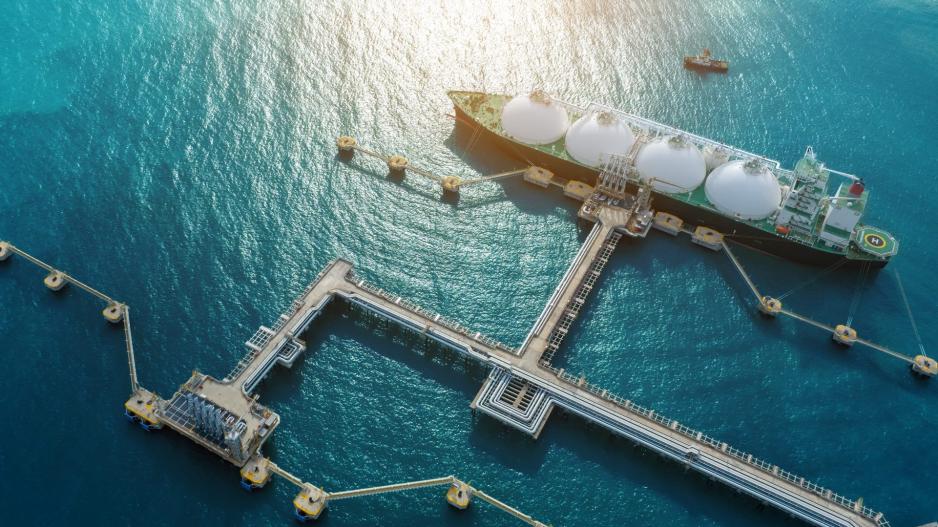
The Liquefied Natural Gas (LNG) Terminal project in Vasilikos is entering a decisive phase following the completion of the Gap Analysis study by French firm Technip. The study, which has been delivered to ETYFA and the Ministry of Energy, provides a detailed mapping of the project’s current status and proposes pathways for its completion without triggering further multi-year delays or cost overruns.
The key question is no longer whether the project will proceed, but under which model, on what timetable, and with what financial implications.
The Preferred Model
According to Brief, Technip’s study recommends adopting a “Responsibility Segregation Model,” which allows the project to restart without dismantling existing infrastructure. At the same time, it rules out a full redesign scenario, which would have resulted in years of additional delays and a significant escalation in costs.
Under the proposed model, a comprehensive technical assessment of the project will first be carried out to establish the so-called “zero point.” From that point onwards, the new contractor will assume responsibility solely for the works it undertakes, without being held liable for omissions or shortcomings of the previous consortium. For potential “hidden” issues, specific contractual clauses and insurance safeguards are предусмотрed to prevent the project from being halted again.
Technip’s Role
Technip will remain involved in the project as Owner’s Engineer, assuming a supervisory role. It will not participate in construction works but will oversee technical solutions, specifications, and the implementation of the new model. The continued presence of the French company is considered critical for attracting international contractors, as it serves as a credibility guarantee for a project with a troubled track record.
Decision-Making Process
At the technical level, the primary responsibility lies with the Board of Directors of ETYFA, which is called upon to approve the findings of the Technip study and finalise the terms of the new tender for the completion of the onshore facilities and the jetty.
At the political level, final approval rests with the Ministry of Energy, in coordination with the President of the Republic and the Council of Ministers. The decision carries particular weight, as the LNG project is linked both to the London arbitration proceedings with the Chinese consortium and to Cyprus’s broader energy planning.
According to Brief, the launch of the new international tender is expected within the first quarter of 2026, with the goal of appointing a new contractor at Vasilikos by the summer. From that point onwards, the countdown will begin for the completion of the terminal and the arrival of the vessel Prometheus.
Cost and Political Stakes
The most sensitive issue remains the financial one. According to estimates, the additional cost required to complete the project is expected to range between €200 million and €300 million, depending on the final technical choices and the guarantees demanded from the new contractor.
Government sources, however, stress that the cost of not completing the LNG Terminal—in terms of energy security, electricity prices, and international credibility—would be significantly higher.