War in the Middle East Becomes a “Stress Test” for the Pharmaceutical Industry
Employee Safety and Supply Chain Stability Take Center Stage.
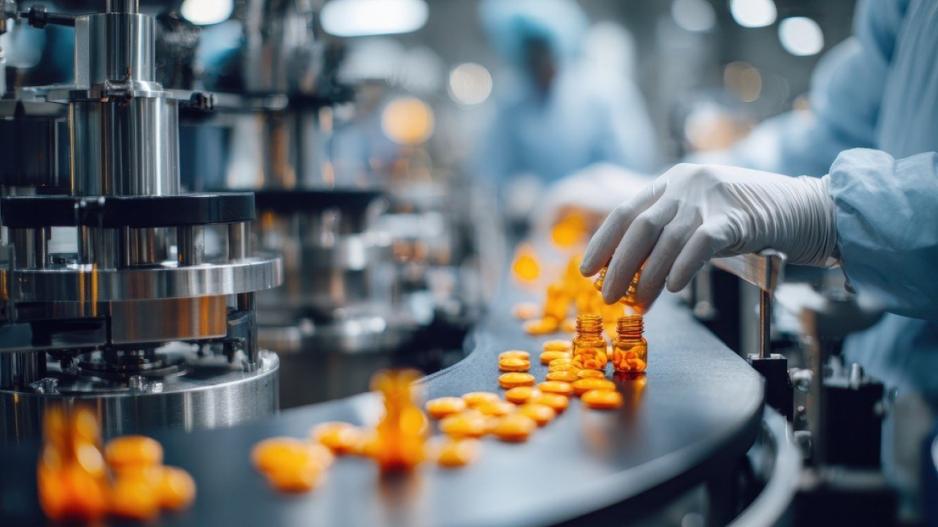
As tensions escalate following coordinated attacks by the United States and Israel against Iran, global pharmaceutical companies with operations across the Middle East are moving quickly to protect employees and safeguard drug supply chains in a region increasingly defined by uncertainty.
The attacks on February 28, which followed weeks of increased US military presence in the region, triggered retaliatory strikes by Iran targeting Israel and neighboring countries hosting American military bases, including Bahrain, Kuwait, and the United Arab Emirates. US President Donald Trump stated on Monday that the American military campaign could last four to five weeks or longer, raising concerns about prolonged instability.
Against this backdrop, multinational pharmaceutical companies are closely monitoring developments while reaffirming their commitment to patient access and employee safety.
For companies operating in the Middle East, the immediate priority is the safety of their workforce.
Boehringer Ingelheim said it is “closely monitoring the situation” and working to ensure that employees, subsidiaries, and partners in the region remain safe. The German pharmaceutical company also emphasized its responsibility to maintain access to medicines for both humans and animals.
The Swiss pharmaceutical company Roche confirmed that its employees in affected countries have been accounted for and are receiving support from the company. It also stressed that protecting its staff remains its highest priority while it assesses potential risks to the supply chains of medicines and diagnostics. Roche maintains operations across Israel, Jordan, Kuwait, Lebanon, Saudi Arabia, the United Arab Emirates, and Iran, increasing its exposure to regional instability.
Bayer reported that its roughly 500 employees and contractors in the region are safe and that none of its facilities have suffered material damage. The company, which has operated in parts of the Middle East for more than a century, said it remains focused on maintaining business continuity while monitoring developments.
Merck & Co., Novo Nordisk, and Takeda also said they are monitoring the situation and have verified the safety of their employees in affected countries. Novo Nordisk noted that its priority remains both protecting staff and ensuring uninterrupted access to treatments for patients living with serious chronic diseases.
Beyond employee safety, the stability of supply chains is emerging as a critical issue. The Middle East represents an important market and production base for many global pharmaceutical companies. Saudi Arabia, in particular, has been seeking to position itself as a biotechnology and life sciences hub by 2040, attracting investments and partnerships in recent years from companies such as Sanofi, Vertex, and CSL.
With military operations continuing and the possibility of broader regional disruption, companies are preparing contingency plans to mitigate potential interruptions in medicine distribution.
Roche said it is assessing the situation in real time in order to reduce future supply risks and ensure continued access to essential therapies and diagnostic solutions. Boehringer Ingelheim reiterated similar commitments, highlighting the importance of maintaining access to critical medicines despite the humanitarian challenges.
For now, most companies report that facilities remain operational and supply chains intact. However, executives acknowledge that the situation remains fluid.
The unfolding conflict has raised concerns about potential humanitarian consequences, including disruptions to healthcare systems in countries directly or indirectly affected by the fighting.
Pharmaceutical companies operating in the region face a delicate balance: protecting employees, maintaining operations, and ensuring that patients who rely on life-saving treatments continue to receive care.
As military operations evolve and geopolitical tensions persist, industry leaders say they will continue to monitor developments and take necessary actions.
For now, the goal across the sector is clear: protect people first and keep medicines moving.
Source: Brief