Safeguarding the Future of Endangered Species by Saving Their DNA
A Defining Conservation Effort With Lasting Consequences.
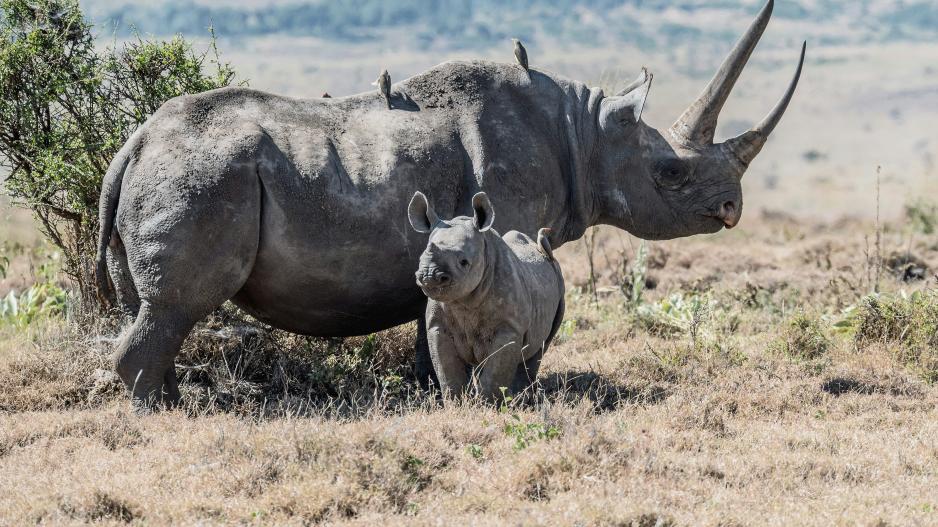
Established under the Endangered Species Act of 1973, the Endangered Species List was created to protect animals and plants at risk of disappearing forever, but the reality remains deeply concerning. More than 2,100 species are currently listed as endangered or threatened in the United States, and in the past half century, only 54 have recovered enough to be removed from the list, including the bald eagle.
At least 67 species have disappeared from the list because they went extinct, including the Bachman’s warbler and the Little Mariana fruit bat. In 2023 alone, 21 species met that fate.
Now, a new plan aims to save what may otherwise be lost, not only by protecting species in the wild, but by preserving their genetic material before it is too late.
On June 25, Colossal Biosciences, the Dallas-based company known for its de-extinction work, announced a partnership with the U.S. Fish and Wildlife Service to collect and freeze cell and tissue samples from every species on the Endangered Species List.
The goal is to build a biological library of endangered life that could one day help restore lost populations, strengthen fragile ones, or even support future de-extinction efforts. Colossal has described the idea as creating a “digital twin of nature,” a detailed genetic record of species that may not survive the coming decades.
The 2,100 species on the U.S. list are only a fraction of the global picture. The International Union for the Conservation of Nature identifies tens of thousands of species worldwide as threatened or endangered. According to the Center for Biological Diversity, up to 30% of the planet’s existing genetic diversity could vanish by 2050 because of climate change, habitat loss, pollution, and other human-driven pressures.
That genetic diversity matters. It allows species to adapt, resist disease, survive drought, tolerate heat, and respond to changing environments. When it disappears, survival becomes even harder.
Collecting samples from endangered species is delicate work. These animals and plants are already rare, vulnerable, and often difficult to access. For that reason, scientists must use methods that are as noninvasive as possible.
In the field, this usually means blood draws or small skin biopsies. When animals die naturally or are euthanized in zoos, scientists may also collect a wider range of tissue samples through necropsies. These samples are then stored in liquid nitrogen, keeping the cells viable for future use.
Before the samples are frozen, scientists will also sequence the cells to create a full digital record of each species’ genome. This step could prove especially important. In the future, researchers may be able to identify genes linked to disease resistance, drought tolerance, or climate resilience.
That means the project is not only about bringing animals back after they are gone. Its most powerful use may be helping endangered species survive before extinction happens.
It is easy to think of endangered species as distant or unrelated to everyday life. But extinction is never isolated. Every species is part of a wider system.
Pollinators affect food production. Predators help regulate ecosystems. Plants support insects, birds, soil health, and water cycles. Marine species sustain fishing communities and coastal economies. When one species disappears, the consequences can ripple outward in ways we do not always immediately understand.
Biobanking is not a replacement for traditional conservation. Frozen cells cannot protect forests, stop pollution, or reverse climate change. Habitats still need protection, laws still need enforcement, and ecosystems still need care.
But genetic preservation gives scientists another tool. It keeps options open for the future.
The plan to collect and save the DNA of every species on the Endangered Species List is, at its core, an attempt to preserve the biological memory of life on Earth.
Because once a species disappears, the world loses more than an animal or a plant. It loses a piece of nature’s story.
And this time, science is trying to make sure that story is not erased completely.