Audit Uncovers Mismanagement and Irregular Spending in Cyprus Parliament
Luxury Hotel Stays, No-Bid Contracts, and Hiring Inconsistencies Among Key Findings
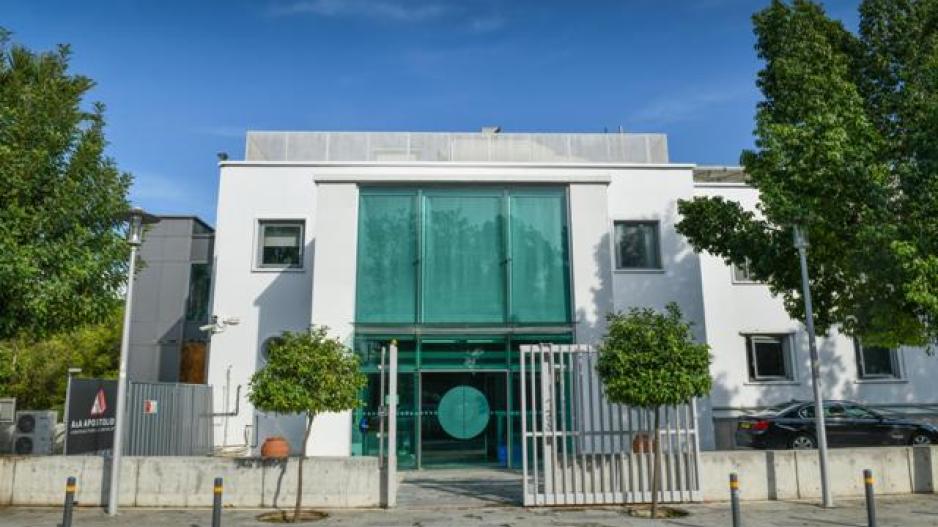
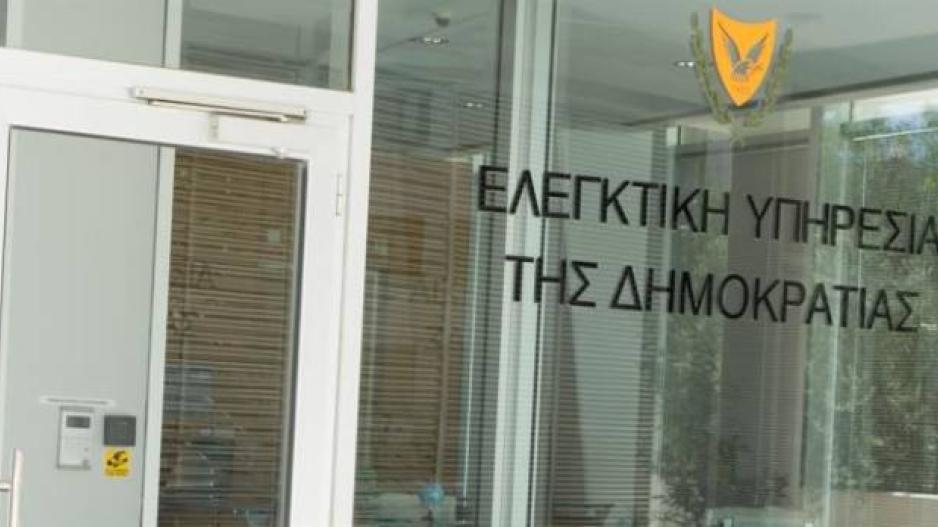
The Audit Office of Cyprus has identified serious irregularities in spending and governance within the House of Representatives, following a financial audit of parliamentary operations. The findings are detailed in a special report published this week and are based on a sample of transactions from 2023, as well as compliance checks beyond that period.
The report highlights several cases of non-compliance with public procurement rules:
-
A €77,500 no-bid furniture contract was awarded for the renovation of the Parliament’s canteen, justified by the need for “high-quality, custom furniture.” However, the Audit Office disputes this reasoning, noting that:
-
Such high-end specifications may not have been necessary.
-
Other suppliers could have met the requirements.
-
The recommending architect was also a director at the supplying company.
-
-
A separate €60,620 contract for air conditioners was also flagged. The Parliament awarded the job through an expedited process, bypassing the legal procurement threshold of €50,000. Additionally, no evaluation committee was appointed, and the required documentation—such as contract terms and approval minutes—was missing or incomplete. The installation even took place before the necessary budgetary approvals were secured.
During an official visit by the President of Parliament to London, eight staff members accompanied her and stayed at the same luxury hotel, resulting in a total cost of €15,172. The Audit Office criticized this choice, citing the General Accounting Office’s handbook for official travel, which advises minimizing accommodation expenses for delegations.
The report also points to lax financial practices regarding political party funding:
-
€100,000 was granted to political parties from the public awareness budget without criteria or conditions, effectively serving as an additional, unrestricted subsidy.
-
The Parliamentary Institute for Participatory Democracy does not operate under a separate budget, making it difficult to track and evaluate expenditures independently.
-
€2.09 million in unspent state grants from the 2018 presidential elections has yet to be recovered.
-
Another €575,955 from 2021 party financing has still not been reallocated among parliamentary parties.
The Audit Office further identified inconsistencies in employment procedures:
-
In the hiring of the Executive Director of the Parliamentary Institute, discrepancies were found between the job announcement, employment contract, and the institute’s charter.
-
Parliamentary leadership has, over time, converted posts advertised as “entry-level or promotion” into promotion-only positions, effectively limiting access and potentially favoring internal candidates.