How the World Is Doing Regarding Its Climate Targets
Are We on Track or Falling Behind?
Climate change and the ramifications of its rampant march have been a point of discourse for decades at this point, with governments and corporations debating the exact regulatory frameworks that should be followed for the common good.
In 2025, ecological conversations continue to dominate, as scientists issue warnings about the immediate dangers climate change on this scale will come with.
So, the question is what are we doing about said changes, and is it effective enough to avoid serious consequences in the future?
All the way back in 2015, the Paris Agreement was signed by most countries, in hopes of reducing the effects of climate change. Some of the most important goals set toward this end were the following:
-
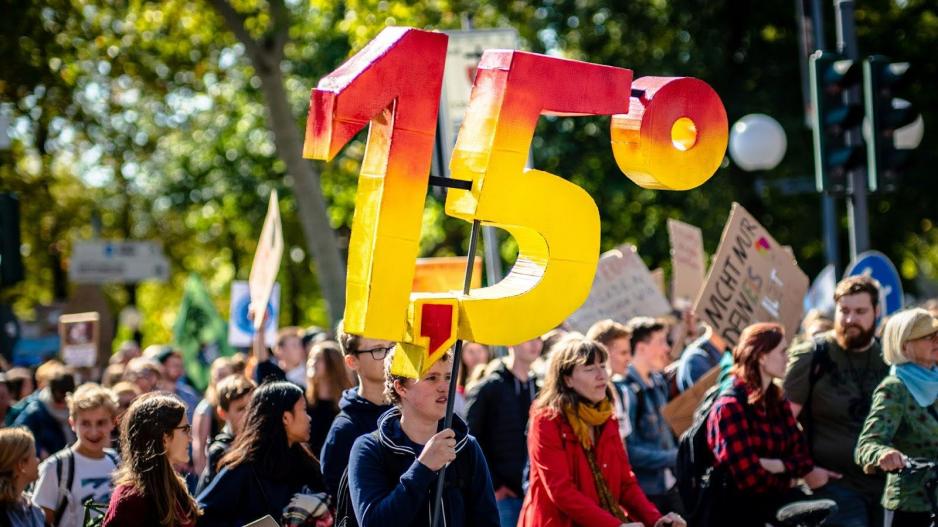
Limit the increase in global average temperature to below 2°C above pre-industrial levels, while pursuing efforts to limit it to 1.5°C.
-
Reduce global greenhouse gas emissions as soon as possible and achieve climate neutrality in the second half of the century.
-
Strengthen countries’ ability to adapt to the impacts of climate change and build climate resilience.
-
Align financial flows with low-emission and climate-resilient development pathways.
-
Encourage all countries to set, communicate, and regularly update national climate action plans, known as nationally determined contributions.
Several recent studies and data reveal that unfortunately the aforementioned actions are set to fall short of the goals set, leaving world leaders in a curious position where they must strike a balance between self-reflection, future planning, and cooperation.
Naturally, a failure of this magnitude cannot and should not be disregarded, while at the same time it should not act as a deterrent from further action. The whole world needs to take this as a lesson and start making things right, as even the smallest of actions can snowball into a powerful wave.
In Cyprus’ case, things are a little more complicated, as the country has set several climate goals across the years, achieving some, but not all of them.
Between 2005 and 2023, Cyprus reduced its total greenhouse gas emissions by about 4.7%. Net carbon removals (from forests and land use) rose by 36% over the same period. Such results offer a positive feeling of hope and belief to the people of Cyprus, but they don’t tell the whole story.
While the country is certainly demonstrating signs of an upward trajectory, it appears to be a rather slow one that is bound to miss out on its 2030 established goals. Under its National Energy and Climate Plan, Cyprus has a 2030 target to cut emissions by around 30%, in comparison to its 2005 counterparts, which is looking highly unlikely, with current projections anticipating a reduction of approximately 26%.
A step in the right direction for sure, but not in time.
Despite the country’s CCPI (Climate Change Performance Index) position rising from 44th in 2025 to 39th in 2026, Cyprus received a low rating in GHG Emissions, Renewable Energy, and Climate Policy, and a medium in Energy Use.
Regardless of any one country’s individual performance, the general picture is clear as day, and its message is concerning. The world needs to come together with an open mind, and a collective desire to steer the ship in the right direction sooner rather than later.
From early education regarding climate change and how to contribute to its limitation to large entities adopting long-term sustainable practices, each and every one of us has to do their part in combating this pressing issue in time.