Short-term Rentals & Tourism: A Story of Turmoil and Disparity
Cracks Are Beginning to Show.

Over the past few years, short-term rentals have exploded in popularity across the globe, becoming an international phenomenon that revolutionized how people view holidays, traveling, and accommodation options.
Naturally, this level of success has sparked much discourse and countless debates regarding the spectrum of its influence, from a financial perspective to an ethical, and a cultural one.
With both sides arguing valid points, estimating whether the introduction of short-term rentals like Airbnb into our daily lives has had a positive or negative impact, is not that simple.
The only certainty is that locals have been getting up in arms over the ceaseless expansion of short-term rentals, causing difficulties in communities and tourists alike.
So, what is going on with short-term rentals in 2025?
Short-term rentals have enabled Gen Z travelers to visit their preferred destinations much more than they used to, with Gen Z travel searches up 26% this fall. General demand has also been increasing steadily, to the point where certain urban markets are nearing saturation.
There is no doubt that this recently introduced traveling option has had a destabilizing effect across the entirety of the hospitality industry, with accommodation prices fluctuating wildly, in an attempt to keep up with the constantly changing demands of the market.
This situation has led to numerous occasions where local uproar has been fierce.
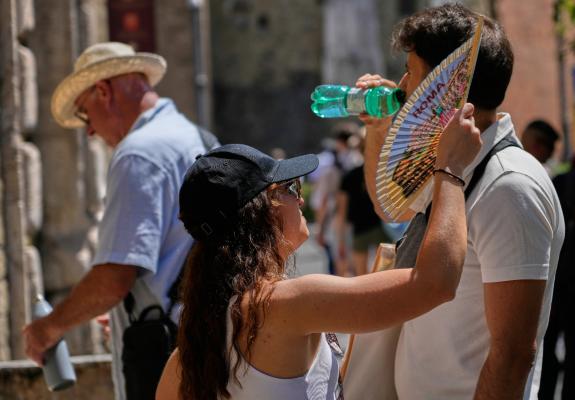
In Barcelona, locals drove off tourists with water pistols and signs that read “Your Airbnb used to be my home”, as the overabundance of short-term accommodations in the city has limited the amount of long-term renting options available, causing a steep increase in rent costs.
Similarly, in July of 2025, hundreds took to the streets to protest the gentrification and the significant influx of short-term renting options in Mexico City.
Last but not least, citizens of the historic center of Rome have also shown their disappointment in the slow but steady abandonment of their city due to the short-term rental conversions. Residents and authority figures have actively displayed their disdain by symbolically removing key-boxes, which allow no contact check-in to tourists.
The situation in Cyprus is a little more nuanced as local authorities recognize the value of short-term rentals to tourism, and are therefore willing to work in unison with its demands to create a lucrative tourism plan. However, they are not indifferent to the concerns raised by the Real Estate Agents Registration Council of Cyprus, which has warned that short-term rentals will inflate rents, and is calling for stricter regulation.
With many short-term rentals currently remaining unregistered, the need for direct regulation of their operations is very clear. The Deputy Ministry of Tourism has stated that anyone maintaining an unregistered accommodation will be liable to up to one year’s imprisonment, a fine up to €5,000 or both.
While tensions have not risen as highly as they have in other European countries, Cypriot residents have also expressed concerns about overtourism and the baggage that comes with it. Especially in more traditionally tourist-heavy regions of the island, where noise levels and rent rates have increased drastically, locals are wary of the overwhelming changes taking away their sense of neighborhood.
Regardless of where you stand in the matter, short-term rentals are unquestionably a global phenomenon that will continue to occupy our daily lives for the foreseeable future. Whether its constant expansions will stay viable remains to be seen.
Short-term rentals like Airbnb need to collaborate with local and state authorities to address the issues raised by residents in order for them to be able to coexist peacefully.