Calm Response from the Finance Ministry After War Shock
Minister of Finance, Makis Keravnos Prepares Scenario Memo.
With bated breath, the global economy awaits today’s opening of international markets, whose reaction will largely indicate the scale of any negative impact from the ongoing military offensive by the US and Israel against Iran.
In Cyprus, the government is urging calm, particularly following the overnight crash of a military drone at the British military bases in Akrotiri. It expresses cautious optimism and assesses that any economic repercussions, at least at this stage, will be manageable.
At 08:30, the President of the Republic will chair an extraordinary meeting of the National Council.
“Priority for Nicosia at this hour is the security dimension and, secondly, the potential impact on the economy,” the same sources noted, referring to the overnight strike involving an Iranian drone.
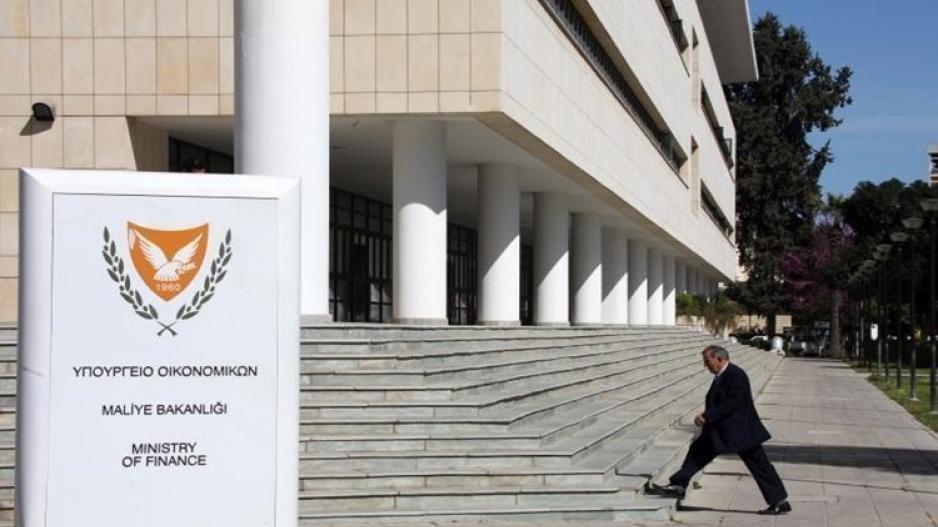
At the Ministry of Finance, according to information from Brief, scenario planning exercises have already begun regarding the management of extreme situations.
Makis Keravnos is expected to extensively assess the data today with his associates at the Ministry of Finance in order to prepare a relevant memo for the Council of Ministers.
The memo will include detailed references to potential risks for the economy under extreme scenarios, as well as measures that may need to be taken depending on developments and the duration of the war.
What is causing concern within the hotel industry is that military operations against Iran coincided with the start of early bookings.
Representatives of hotel associations told Brief that, at this early stage, indications are not negative.
However, they noted that this will become clearer over the coming days.
They criticized the statement by the UK Defence Secretary regarding the alleged interception of Iranian missiles targeting the military bases in Akrotiri, while welcoming “Nicosia’s timely denial.”
In the international economic arena, most analysts are focusing their concerns on a further rise in global crude oil prices and the possibility that the war may last for an extended period.
Additionally, oil markets, which had anticipated a potential shock following the US strikes against Iran, saw Brent crude rise by 10%, reaching 80 dollars per barrel in after-hours trading.
Analysts, both in and outside Cyprus, predict that oil prices could reach 100 dollars if the military conflict continues.
They do not hide their concern that a wave of increases in international crude prices would have immediate effects on inflation and the cost of living.
In such a scenario, as they argue, supervisory authorities in Frankfurt may return with interest rate hikes.
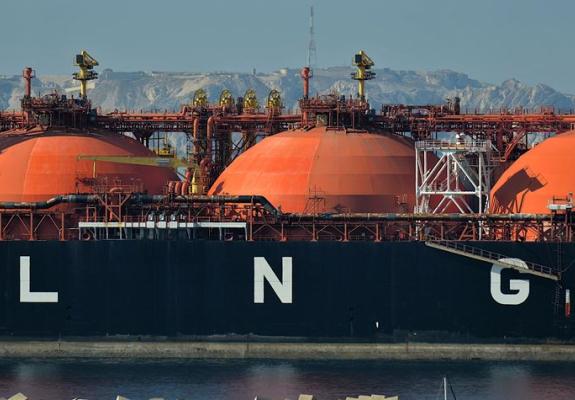
What frightens markets are oil and natural gas tankers, some of which are stranded outside the Strait of Hormuz, while many others are avoiding crossing it.
Approximately one quarter of global seaborne oil trade passes through the Strait of Hormuz. “The problem is the risk in Hormuz, not the retaliation.
If navigation remains open, equities can absorb the shock. If not, all scenarios are overturned,” according to a Financial Times analyst.
For US allies in the Arab Gulf, however, the prospect of a war lasting weeks is described as a nightmare scenario, with reports citing fears of “economic damage and capital flight.”
It is noted that missile strikes received by Gulf states from Iran forced the authorities in some of these countries to suspend the operation of their stock exchanges.
Specifically, the Dubai Financial Market, the Abu Dhabi Securities Exchange, and exchanges in the United Arab Emirates suspended trading sessions due to uncertainty and the attacks.
The Kuwait Stock Exchange also suspended trading until further notice, citing “exceptional circumstances.”
By contrast, Saudi Arabia’s stock exchange operated normally. The Tadawul All Share Index opened with losses of more than 4%, later trimming its losses to close down 2.18%, marking a one-month low.
Markets in Qatar and Bahrain also remained open, recording declines as expected.
The drop in the stock markets of these Gulf states, and beyond, essentially reflects investor anxiety over a potential widening of the military conflict.