Cyprus 2026 Elections: What a New Poll Reveals About Voting Intentions and Politicians' Popularity
Voter discontent, shrinking dominance of major parties, and rising momentum for Odysseas Michaelides’ ALMA.
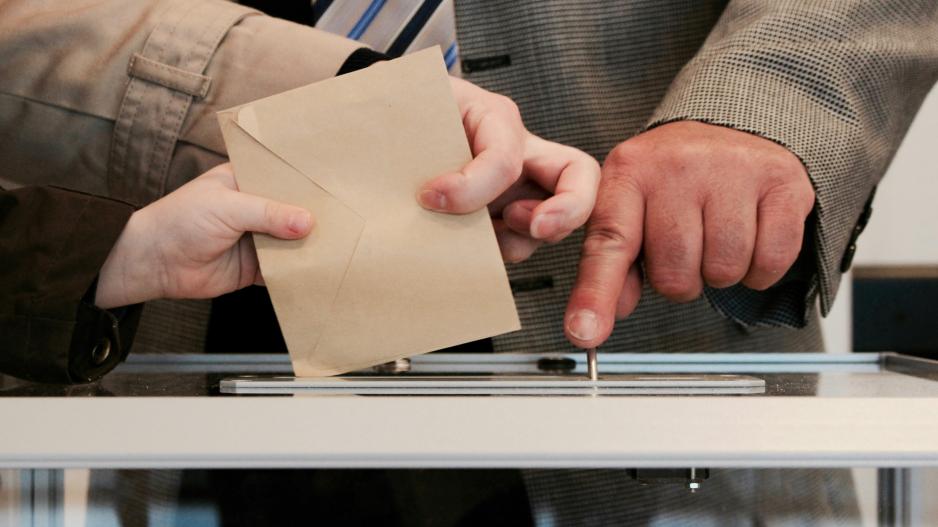
Eight months before the 2026 parliamentary elections, a new nationwide poll by Stratego-IMR for Kathimerini Cyprus paints a picture of a fluid political scene, with traditional parties under pressure, a new entrant gaining ground, and voter dissatisfaction still weighing on the government.
According to the survey, if elections were held next Sunday, AKEL would secure 21% of the vote, narrowly ahead of DISY at 20%. Both figures are markedly lower than the parties’ historical averages, underscoring a broader decline in the two-party dominance. Far right ELAM emerges as the third force with 14%, while the newly formed ALMA, led by former Auditor-General Odysseas Michaelides, would capture 11%. DIKO follows with 8%, maintaining its foothold but facing challenges in expanding its base. Smaller parties, including the Volt Cyprus (2%), Greens (2%), EDEK (1%), and DIPA (1%), risk falling below the parliamentary threshold.
The rise of ALMA is particularly striking. The party’s support is strongest in Nicosia (15%) and Limassol (13%), drawing heavily from disaffected voters who abstained in the previous election (27% of its base). It also siphons significant shares from smaller formations such as EDEK (24%), the Greens (37%), and the Hunters’ Party (33%). While defections from the larger parties are limited, 19.5% of ALMA’s current supporters previously voted AKEL, 16.1% DISY, and 12.6% DIKO.

Leadership approval ratings remain challenging for most figures. President Nikos Christodoulides records a 56% negative versus 40% positive rating, though he retains strong backing among DIKO (69%) and DIPA (63%) voters. DISY leader and House President Annita Demetriou also faces difficulties, with her ratings slipping into negative territory (50% negative, 42% positive).
AKEL’s general secretary Stefanos Stefanou is viewed positively by 36% and negatively by 50% of respondents, though maintains strong approval within his party (71%). DIKO leader Nicolas Papadopoulos fares worse, with just 25% positive and 60% negative ratings.
By contrast, Odysseas Michaelides stands out with the highest net positive image in the survey — 54% favorable versus 33% unfavorable — enjoying broad cross-party appeal, especially among AKEL, DIKO, EDEK, and DIPA supporters. His credibility appears to be fueling ALMA’s early momentum.
Meanwhile, other figures struggle for recognition or face steep declines. New EDEK president Nikos Anastasiou remains largely unknown to over half of respondents, while Marios Karoyian (DIPA) and Stavros Papadouris (Greens) post mixed or negative balances. The most dramatic fall concerns independent MEP Fidias Panayiotou, whose popularity has collapsed within a year of his election — 72% now view him unfavorably.
Conducted between September 12 and 22 with a representative sample of 800 voters, the poll confirms a highly unsettled political environment.