Limassol-Based Firm Tied to Russian Scheme to Obtain Western Submarine Technology
New investigation links Cyprus-registered firm to covert procurement of Western technology for Moscow’s Arctic submarine surveillance system.
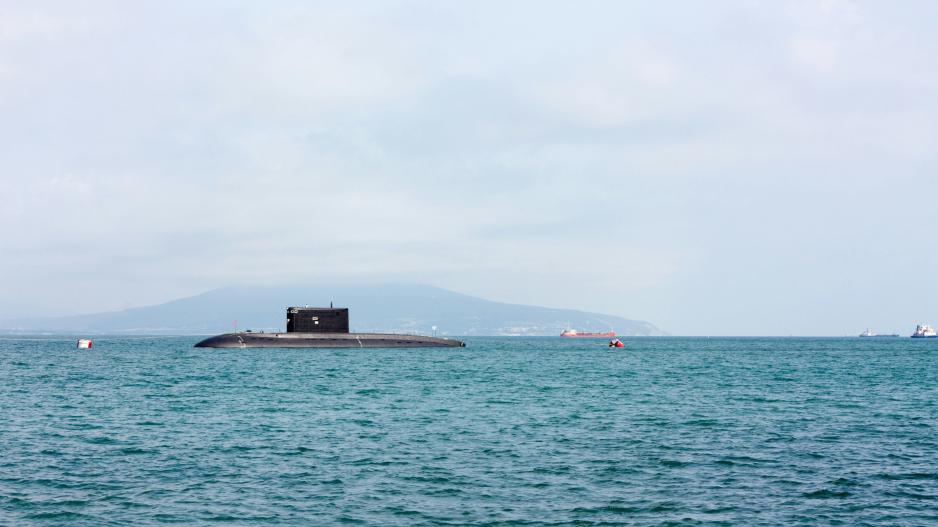
A Limassol-registered company has been named as a key intermediary in a secret Russian procurement network that helped Moscow obtain sensitive Western technology for a submarine surveillance system protecting its nuclear fleet in the Arctic, according to an international media investigation, led by NDR (Germany), WDR (Germany), Süddeutsche Zeitung (Germany), The Washington Post (U.S.), Le Monde (France), L’Espresso (Italy), Kyodo News (Japan), NRK (Norway), KRO-NCRV (Netherlands), SVT (Sweden), The Times (U.K.), and the International Consortium of Investigative Journalists (ICIJ).
The cross-border media project, Russian Secrets, reveals how Russia spent years acquiring high-tech sonar systems, underwater drones, fiber-optic cables, and other maritime equipment from U.S., European, and Asian companies through a Cypriot entity called Mostrello Commercial Ltd.
Between 2013 and 2024, the company reportedly facilitated transactions worth more than $50 million, acting as a front for Russia’s defense sector and its secret undersea surveillance program known as “Harmony.” The system, which consists of seabed sensors and cables in the Barents Sea, is designed to detect enemy submarines approaching Russian nuclear bases.
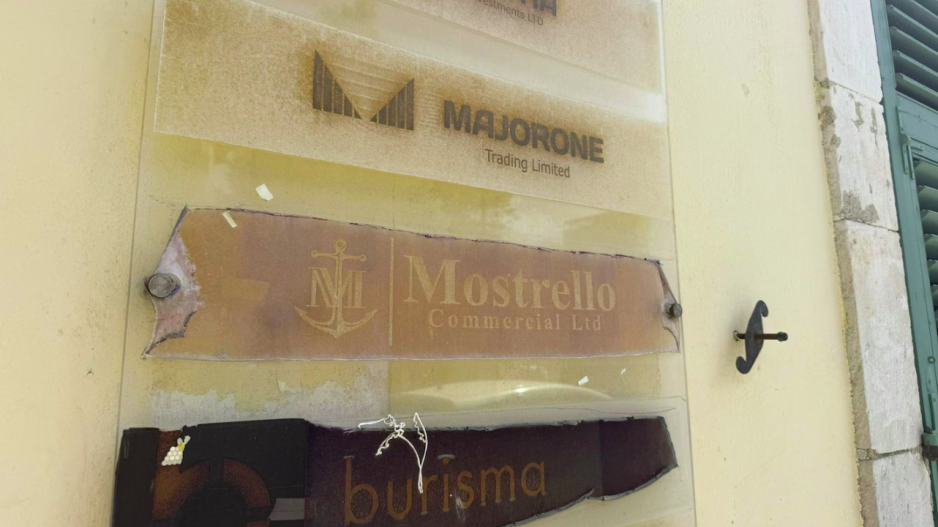
Corporate and court documents show that Mostrello Commercial Ltd, officially registered in Limassol, was controlled by Alexey Strelchenko, a Moscow-based businessman whose other companies worked with Russia’s defense ministry on underwater cable-laying projects.
The Limassol firm served as a conduit for deals involving major suppliers — including Norway’s Kongsberg Gruppen, Japan’s NEC, and U.S. sonar manufacturer EdgeTech — which believed they were selling to a civilian maritime enterprise. Investigators later found that the equipment ended up in the hands of Russian defense contractors linked to intelligence services such as the FSB and SVR.
Reporters who visited Mostrello’s Limassol office in September found it abandoned, with no staff or activity. Former employees could not be reached for comment.
The operation largely escaped Western scrutiny until the war in Ukraine in 2022, which prompted coordinated probes into hidden supply chains supporting Moscow’s military. In October 2024, the U.S. Treasury Department sanctioned Mostrello, Strelchenko, and associated firms for “supplying Russia with advanced technology and equipment that it desperately needs to support its war machine.”
German prosecutors also investigated Alexander Shnyakin, a dual Russian-Kyrgyz national convicted last month of selling underwater technology to Russia through Mostrello in violation of export laws. His case, based on wiretapped calls and seized correspondence, opened what officials described as a “Pandora’s box” of information about Russia’s secret maritime procurement network.
Court records cited by The Washington Post indicate that the CIA alerted Germany to Mostrello’s activities as early as 2021. However, action was only taken after the invasion of Ukraine.
Analysts say the Harmony system strengthens Russia’s ability to protect its nuclear-armed submarines — a crucial element of its deterrence strategy — by detecting Western vessels near its Arctic “bastions.”
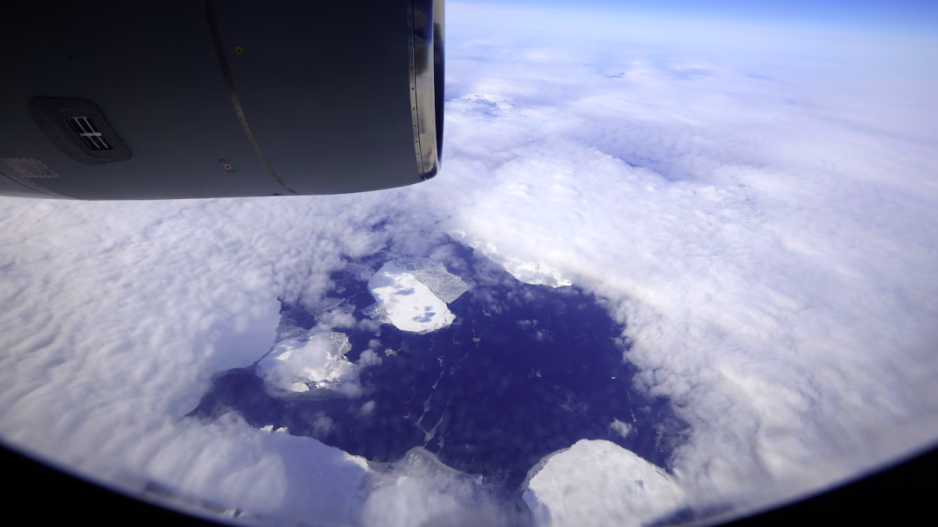
Tracking Mostrello-linked ships revealed that Harmony’s sensors are likely positioned in an arc from Murmansk to Novaya Zemlya and Franz Josef Land, guarding access to Russia’s Northern Fleet bases.
The case highlights ongoing weaknesses in EU sanctions enforcement, including in member states like Cyprus, where companies have long been used as intermediaries in complex financial and trade structures.
Speaking to NDR, the EU’s Sanctions Envoy David O’Sullivan acknowledged that Russia remains adept at evading restrictions, often through front firms. “The Russians are very clever at circumventing our sanctions,” he said. “There is no such thing as a perfectly watertight sanctions system.”
Cypriot authorities have not issued a public statement on the Mostrello revelations. However, the case adds to growing international scrutiny of Cyprus’s role as a logistical and financial hub for Russian-linked networks — a legacy the island has sought to distance itself from since the imposition of EU sanctions in 2014 and again after 2022.