Cyprus Law Office Stumbles Again, Deputy Attorney General Slammed by ECHR
This is not the first time Cyprus has faced international condemnation over the mishandling of a sexual assault case.
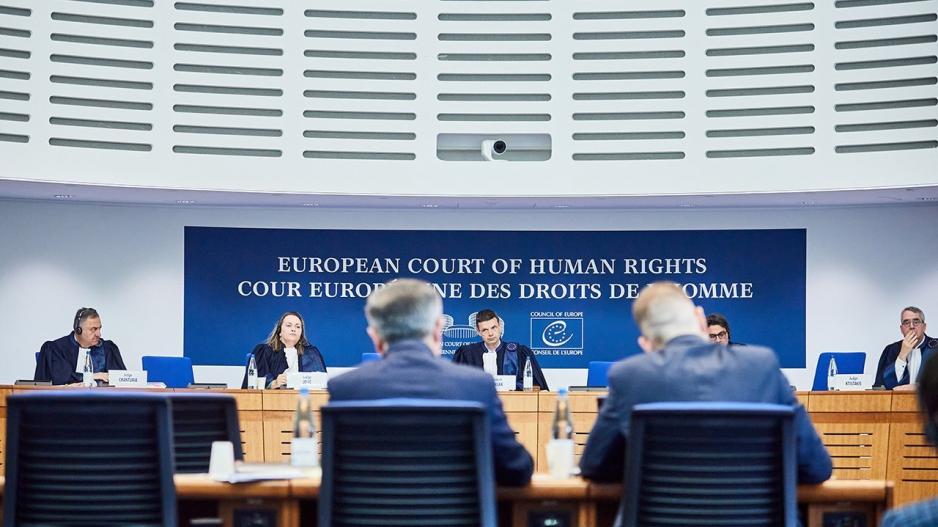
The European Court of Human Rights (ECHR) has delivered a scathing ruling against the Republic of Cyprus, condemning the authorities’ handling of a rape allegation involving a political figure. The Strasbourg court found that Cyprus had violated Articles 3 and 8 of the European Convention on Human Rights — covering protection from inhuman or degrading treatment and respect for private life — as well as Article 14, which prohibits discrimination.
The case was brought by a 28-year-old woman who in 2021 reported to police that she had been raped on January 1, 2011, when she was 18. She decided to come forward years later after learning from a friend that the same suspect had allegedly raped another woman. Police quickly launched an investigation, and the case was filed before the Assize Court of Larnaca.
However, after fresh statements and a reassessment of the file, prosecutors pointed to inconsistencies in the woman’s testimony and raised doubts about whether the suspect might have believed she had consented. In December 2021, Assistant Attorney General Savvas Angelides decided to halt the prosecution. The woman challenged this decision, arguing that it denied her effective protection from sexual violence and was rooted in gender-based prejudice.
In its judgment, the ECHR criticized Cypriot authorities for placing excessive weight on perceived contradictions in the complainant’s account, rather than properly investigating the question of non-consent. It highlighted the lack of specialized psychological and forensic evaluation, and noted that prosecutors relied on sexist stereotypes and a victim-blaming attitude — for instance by questioning the complainant’s sympathy or mixed feelings toward the suspect and ignoring critical evidence like her repeated pleas for him to stop.
The court found that the way Cypriot authorities evaluated the case, especially the focus on whether the woman might have sent “mixed signals,” amounted to secondary victimization. It stressed that prosecutors did not sufficiently test the evidence that supported the woman’s claim — including witness corroboration of her distress and physical injuries — while also refusing to provide her with full access to the case file or a clear explanation for discontinuing the proceedings.
The ECHR concluded that the handling of the case reflected discriminatory gender biases and “patriarchal stereotypes,” undermining women’s trust in the justice system. It ordered Cyprus to pay the applicant a total of €35,470 — €20,000 in compensation for moral damages and €15,470 for legal costs.
This is not the first time Cyprus has faced international condemnation over the mishandling of a sexual assault case. In a separate ruling in February 2025, the European Court of Human Rights also found that Cypriot authorities failed in their duty to investigate with sensitivity a 2019 gang rape allegation by a British woman against a group of Israeli men in Ayia Napa.
According to the ECHR, investigators and prosecutors did not properly assess evidence that could have indicated a lack of consent, instead taking the suspects’ denials at face value and placing unjustified blame on the complainant. That case saw the woman herself prosecuted for public mischief after she retracted her allegations following hours of questioning without legal counsel — a conviction later overturned by Cyprus’s Supreme Court due to serious investigative flaws. The ECHR underlined that such biased attitudes toward women in Cyprus could foster a climate of impunity and discourage other victims from coming forward.