Fundamental Rights at Risk: EU Parliament Issues Urgent Warning
Threats Towards Women’s Rights, LGBTQ+ Equality, and Civil Society
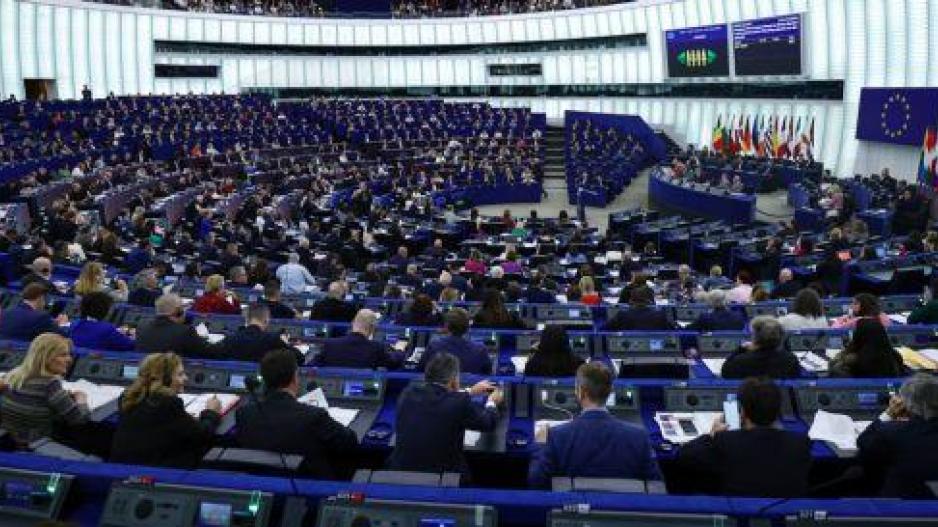
The European Parliament (EP) warns that fundamental rights in the EU are under pressure, highlighting threats against women's rights, LGBTQ+ equality, civil society, media freedom, and the safety of journalists. The resolution was adopted on Wednesday with 328 votes in favor, 199 against, and 98 abstentions, assessing the state of fundamental rights for 2024 and 2025.
MEPs warn that rights violations, democratic backsliding, and political interference in the judiciary are indicators of wider pressure on the EU’s core values. They expressed concern over the uneven application of the Charter of Fundamental Rights due to diverging national interpretations, urging member states to align fully with international obligations.
The report demands that migration and asylum policies comply with fundamental rights and the principle of non-refoulement, condemning incidents of ill-treatment and violence against migrants at the EU's external borders.
Simultaneously, the Parliament raised concerns about disinformation, foreign interference, and election manipulation, as well as the role of digital platforms and Artificial Intelligence. MEPs are calling for the full implementation of European regulations and stronger safeguards against the use of spyware and arbitrary surveillance practices.
MEPs are pushing for stronger action against gender-based violence, hate crimes, and discrimination, including the recognition of femicide as a distinct crime. They condemned the regression of women’s rights and LGBTQ+ equality—specifically targeting practices like "conversion therapy"—while emphasizing the need to protect sexual and reproductive health.
Finally, the report touches on deep-seated systemic issues, including corruption, inadequate protection for whistleblowers, and poor prison conditions. It also highlights social crises such as poverty and housing exclusion.
"Across Europe, the fundamental rights of all vulnerable groups are under pressure, while those who defend them are being silenced or even criminally targeted," stated rapporteur Anna Strolenberg, concluding that "fundamental rights must remain non-negotiable."