Jeffrey Sachs Warns Cyprus Is Trapped Between Wars, Urges Reunification
The economist says Cyprus can become a regional sustainability hub—if peace and cooperation return.
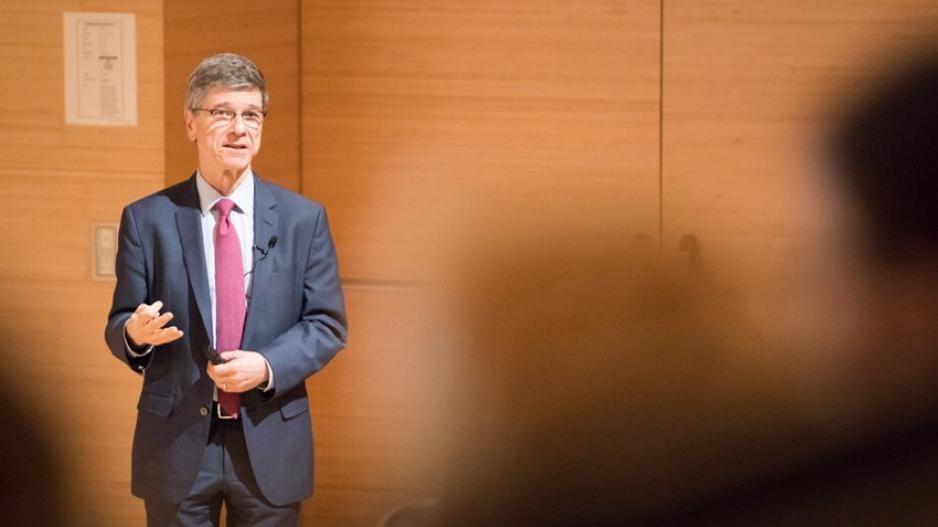
Renowned economist and UN adviser on sustainable development Jeffrey D. Sachs issued a stark warning at the AKEL Economy Forum 2025: ongoing wars and geopolitical rivalries across Europe and the Eastern Mediterranean are draining resources, destabilising the region, and preventing countries—including Cyprus—from responding to the real, long-term challenges of climate change and social inequality.
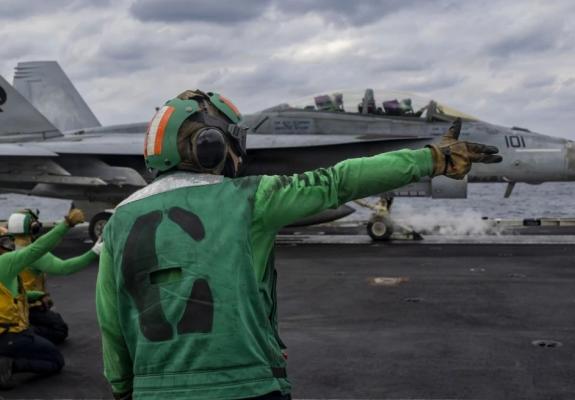
Speaking in Nicosia, Sachs argued that the wars in Ukraine, Gaza, and Syria have created a climate of permanent crisis that undermines economic development, heightens insecurity, and diverts global attention and investment away from sustainability. He delivered strong criticism of Western foreign policy, including the role of the United States and European Union in the escalation of conflicts.
Sachs reminded participants that Cyprus, historically and geographically, “stands at the crossroads of history” and continues to bear the cost of regional turmoil. The island’s continued division, he said, carries a “significant and unnecessary economic burden,” reducing its potential as a hub for business, tourism, research, and energy.
Its proximity to two active battlefields—Ukraine and Gaza—has only intensified the pressures. Tourism, trade, financial services and investment flows, he noted, are already feeling the shockwaves of instability spreading across the Eastern Mediterranean.
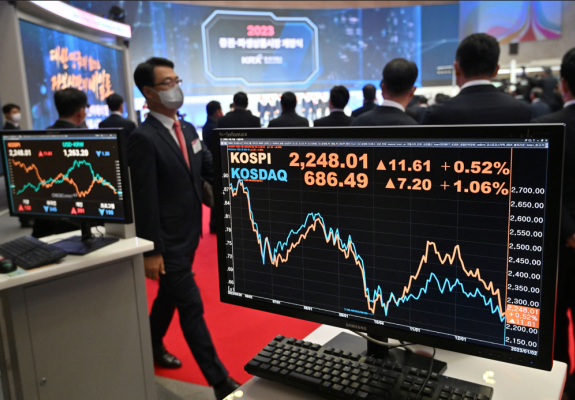
Sachs was sharply critical of the direction of European leadership, accusing EU institutions of prioritising “militarisation over diplomacy” and pushing forward with policies that prolong conflict rather than resolve it. He cited fresh proposals for massive EU funding packages for Ukraine, as well as the debate surrounding the seizure of Russian financial assets, warning that such moves could seriously destabilise the European banking system.
Sachs characterised the Ukraine war as a predictable consequence of NATO’s eastward expansion and said the conflict could be diplomatically resolved through Ukrainian neutrality. Efforts to achieve a “defeat of Russia,” he warned, risk catastrophic escalation—including the possibility of nuclear confrontation.
Turning to Gaza, the economist spoke in unusually strong terms, describing the ongoing situation as a humanitarian catastrophe with enormous implications for the entire Eastern Mediterranean. He criticised US crisis management and expressed frustration with the lack of a coherent international plan for post-war administration.
Sachs also revisited the origins of the Syrian conflict, which he framed not only as a civil war but as the result of a coordinated regime-change operation involving the US, CIA, regional powers and Israel. Fourteen years later, he said, Syria remains fragmented and occupied by multiple foreign forces.
Beyond geopolitics, Sachs repeatedly redirected attention to what he called “the true, existential crisis”: climate change. The Eastern Mediterranean, he said, is one of the world’s most vulnerable climate hotspots, already facing rising temperatures, worsening droughts, intensifying wildfires and a non-negligible risk of severe sea-level rise due to Antarctic ice melt.
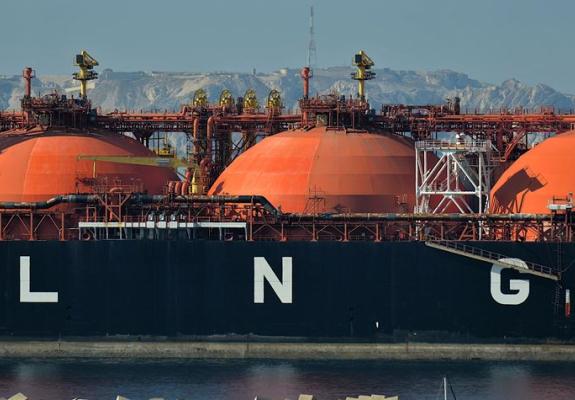
He criticised continued enthusiasm for natural gas extraction in the region as “short-sighted,” insisting that Cyprus and its neighbours must urgently pivot toward renewable energy. The island, with its exceptional sunlight and strong research institutions, “has every capability to become a regional leader in solar energy and sustainable innovation.”
A substantial part of Sachs’ message focused on the Cyprus problem, which he framed as both a human tragedy and a major economic obstacle. A bizonal, bicommunal solution, he argued, would trigger an economic “boom,” with growth in tourism, construction, investment, and island-wide cooperation.
He expressed cautious optimism that political shifts in the north may open a new window for negotiations.
“Cyprus can be a bridge of peace and sustainable development in the Eastern Mediterranean,” Sachs said, “but only if the wars end and the island reunites.”
Sachs closed with a plea for global priorities to be reset. Ending the wars in Ukraine and Gaza, supporting the reunification of Cyprus, and promoting regional cooperation on climate resilience and social justice, he said, are essential steps toward a stable and sustainable future.
“War absorbs the money, the time, the attention and the hope,” he warned. “Real prosperity will come only when peace, cooperation, and long-term sustainability return to the centre of strategy.