Fury Erupts After Judge Axed for Calling Nikolaou’s Death a Homicide
Public outcry erupts over the Supreme Judicial Council’s decision to terminate Judge Varosioti.
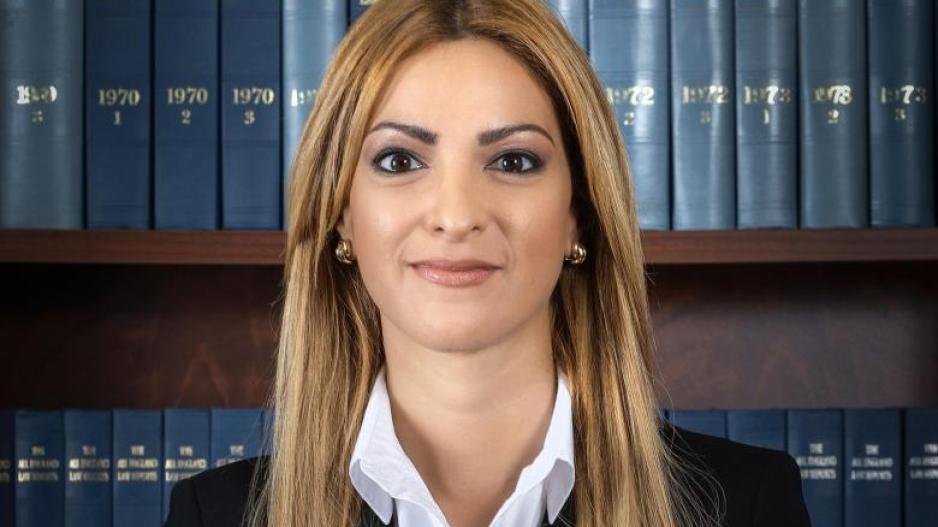
Cyprus’s Supreme Judicial Council has come under heavy fire after its decision not to confirm the appointment of Judge Doria Varosioti, who had previously ruled that the 2005 death of national guardsman Thanasis Nikolaou was a homicide rather than a suicide, thus reopening a long-contested case.
At the conclusion of a two-year probationary period for 11 district judges, the Council announced that seven appointments were confirmed, three judges’ probation was extended, and one judge’s appointment — widely understood to be Varosioti’s — was terminated. While the Council claimed its decision was reasoned and directly communicated to the affected judge, it neither publicly named Varosioti nor offered further details.
>>Public Confidence in Cyprus's Justice System Hits Record Low<<
Political and civil society reactions were swift.
The Democratic Rally party (DISY) emphasized its respect for judicial independence but called on the Supreme Court to issue a public explanation, arguing that transparency is essential to maintain public trust in democratic institutions.
AKEL stated that, "The decision of the Supreme Judicial Council not to confirm the appointment of probationary judge Doria Varosioti — who, as a coroner, concluded that the death of Thanasis Nikolaou resulted from a criminal act — raises serious questions. It further deepens the mistrust and doubt that Cypriot society harbors toward the institutions of the state. With full respect for the judiciary, and while acknowledging Ms. Varosioti’s right to file an objection before the Supreme Constitutional Court, we stress that the very least citizens deserve is a convincing explanation for the Judicial Council’s decision."
The civic movement Alma responded more sharply, accusing the “system” of retaliating against a judge who demonstrated courage in challenging the official suicide narrative. “In a society that punishes courage, we stand with those who do not bow their heads,” the movement declared.
President Nikos Christodoulides also weighed in, acknowledging the public’s anger over the Council’s decision. Speaking to reporters, he stressed that although the executive branch had no role in the matter, those responsible should publicly justify their decision due to its importance and the legitimate public interest involved.
Meanwhile, lawyer Nikos Clerides, representing the family of Thanasis Nikolaou, alleged that Varosioti’s dismissal was tied not only to her conclusions in Nikolaou’s case but also to two other inquests she had conducted. He further claimed that the then-president of the Limassol District Court had informally pressured Varosioti to alter her findings — an act he described as illegal and beyond the president’s powers under existing law. Clerides stated that Varosioti had received formal notice terminating her judicial authority, despite holding full district judge powers during her probationary period.
As for Varosioti’s legal options, Clerides explained that she can file an objection with the Supreme Constitutional Court and, if unsuccessful, may then appeal to the European Court of Human Rights.