Social Support Fund: Strong Reactions to the Audit Office’s Scathing Report – Key Findings
The report identifies systemic weaknesses in transparency, governance, and eligibility procedures.
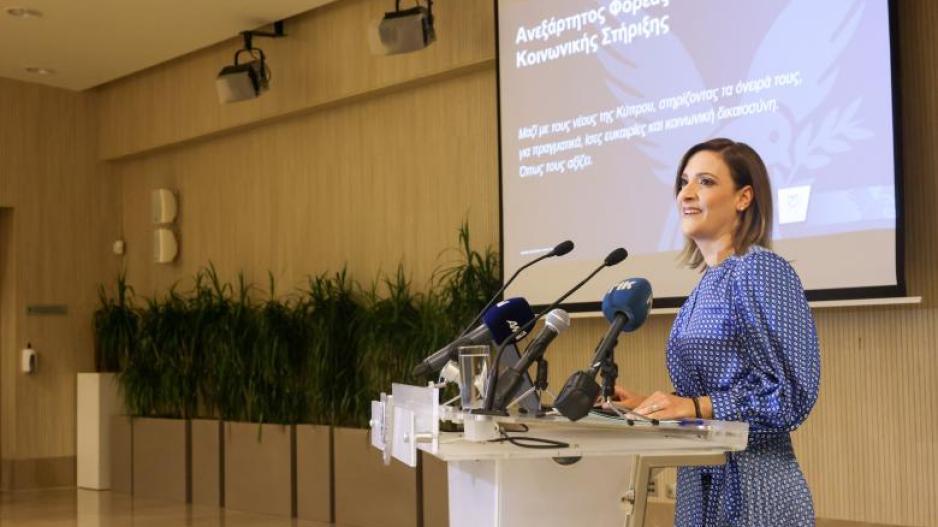
The Audit Office of Cyprus has released a highly critical report on the Independent Social Support Fund, chaired by the First Lady, covering the years 2018–2024. The report identifies systemic weaknesses in transparency, governance, and eligibility procedures, raising questions about potential conflicts of interest stemming from the Fund’s links to private donors and the Presidency.
According to the report, the Fund’s revenues jumped fivefold—from about €500,000 annually to €2.3 million in 2023 and €2.2 million in 2024—driven entirely by private contributions. During the same period, expenses tripled, reaching €1.6 million in 2024, with aid distributed to 929 students.
However, the Audit Office found that:
-
There are no legal provisions regulating how donations are accepted or verified, and donor lists lack essential identifying details such as ID or company registration numbers.
-
In several instances, major corporate donors had ongoing or newly signed contracts with the state during the same period they made significant contributions to the Fund.
-
Donations linked to ship management companies and Cyprus Investment Programme participants together exceeded €1.4 million.
-
The Fund operates without an annual budget submission to the Ministry of Finance, as required by fiscal responsibility laws, and relies on civil servants without explicit legal authorization for such duties.
The report warns of a “special relationship” between the Fund, its donors, and the state—given that the Fund is chaired by the President’s spouse while private companies with financial dealings with the government make undisclosed donations. Although the Audit Office emphasizes that it found no evidence of illegality or intent to influence, it concludes that the existing framework is insufficient to protect institutional integrity.
To restore trust, the Audit Office recommends that the Fund accept large donations (over €20,000) only with donors’ consent for public disclosure, a practice consistent with OECD and G20 transparency principles.
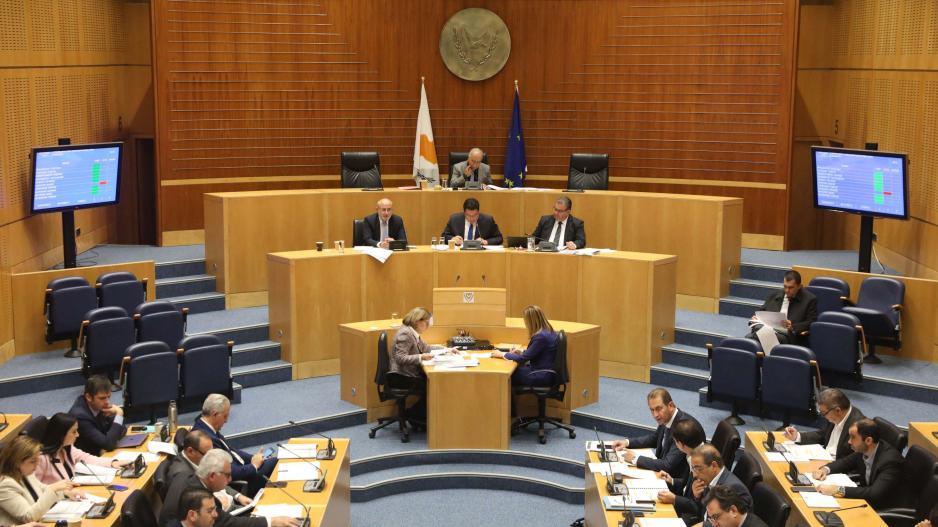
In a statement, AKEL said the Audit Office’s report “fully vindicates” its long-standing complaints regarding the Fund chaired by the First Lady. “The report reveals scandalous opacity, cronyism, and favoritism in the Fund’s operation,” the party said, recalling that it had twice written to the Auditor General requesting an investigation. AKEL condemned what it called “an unacceptable, unsubstantiated, and extra-institutional attack by the First Lady and the Fund against the Audit Office.”
Christos Christofides (AKEL MP): “The Audit Office identifies scandalous opacity, corruption, and lack of meritocracy in the so-called Independent Fund,” said Christofides. He noted that some companies that made large contributions were simultaneously negotiating lucrative state contracts, while others benefitted from policy decisions such as tonnage tax adjustments. “The link between the Fund and the Presidential Palace raises serious issues of transparency and entanglement,” he added, pointing to donations made by entities connected with the Citizenship by Investment Programme. Christofides also cited cases of financial aid to students “without justification or proof of need,” describing them as instances of “favoritism and clientelism.” He further denounced the First Lady’s reaction as “an unacceptable and extra-institutional attack on the Audit Office.”
Nikos Georgiou (DISY MP): DISY MP Nikos Georgiou took a different tone, saying the report “confirms our call for greater transparency in private donations to the Independent Social Support Fund.” He recalled that earlier this year he had successfully sponsored a bill introducing disclosure rules for large contributions, later struck down by the Supreme Constitutional Court on procedural grounds. “The Audit Office now proposes a simple and lawful measure—accepting donations above €20,000 only with explicit consent for publication,” Georgiou said, adding that if the government fails to adopt the recommendation, he will reintroduce new legislation. “Transparency is not a slogan; it is an obligation and a responsibility. Democracy cannot function without rules and accountability.”
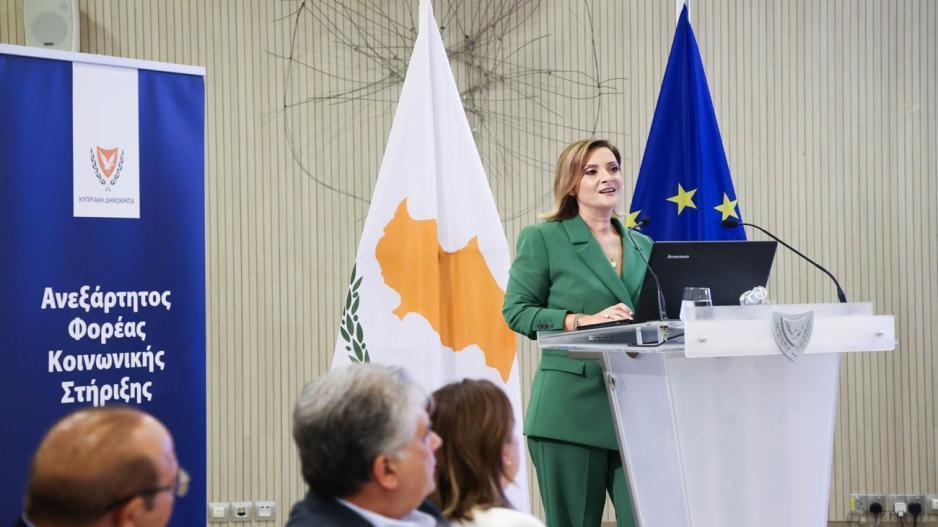
Responding to the Audit Office’s findings, the Fund’s Management Committee, through General Accountant and Treasurer Andreas Antoniadis, stated that no irregularities or misconduct were identified in the compliance audit conducted. Antoniadis stressed that the Audit Office’s report “raises issues that go beyond the scope of an auditing body,” and that a legal opinion has been requested from the Attorney General’s Office.
“The conclusion of the report, after an extensive months-long audit, is that no irregularity or wrongdoing has emerged regarding donations or financial aid,” Antoniadis said. He criticized the Audit Office for “introducing, on its own initiative, other matters unrelated to the original scope of the audit and lacking any substantiated evidence.”
The Committee expressed “serious concern over attempts to turn a technocratic compliance audit into a tool of political exploitation,” emphasizing that the Fund operates fully within the legal and constitutional framework of the Republic of Cyprus. It rejected the notion of a “special relationship” between the Fund and the Presidency, noting that the First Lady’s chairmanship is explicitly defined by law.
The statement also underlined that decisions are made collectively by institutional public officials, based on published eligibility criteria and without access to personal data, ensuring impartiality and equality of opportunity. It cited the Supreme Constitutional Court’s ruling upholding data protection principles as confirmation of the Fund’s compliance with EU law.
The Committee noted that all donations and grants have been presented to Parliament, “enhancing accountability and facilitating parliamentary scrutiny,” and reaffirmed its commitment to full transparency and zero tolerance for opaque practices.
“The Fund remains open to dialogue with all institutions and society,” the statement concluded. “Its mission is institutional and above partisan politics—supporting students in genuine financial distress. Social solidarity is not a matter of impressions or political confrontation; it is a duty to the young people and families who truly need it.”