Block on Mega Development in Akamas
The report also revealed that vegetation clearance had already taken place before the application was submitted.
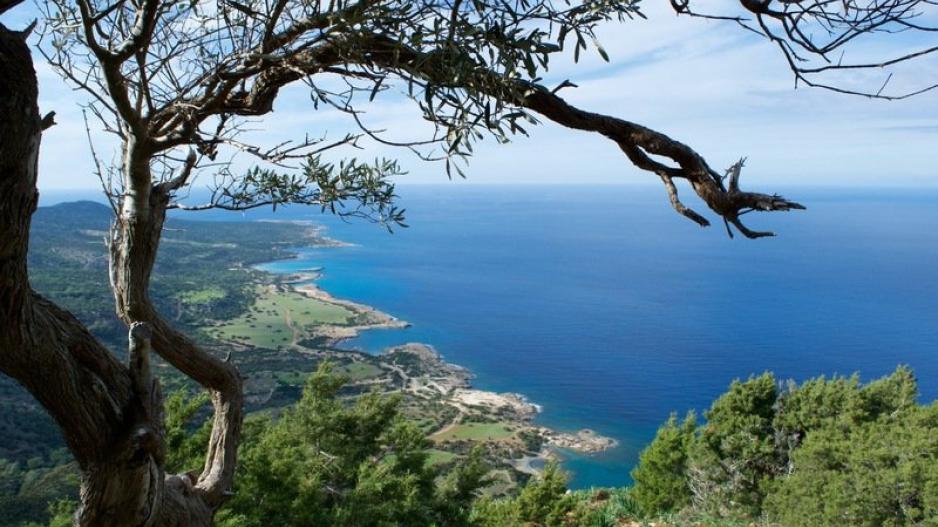
The Cyprus Environmental Authority has rejected plans for a large-scale holiday development in the Akamas area, citing irreversible damage to the peninsula’s fragile ecosystem and violations of EU environmental protection standards.
The proposed project, submitted in 2022, envisioned the construction of 69 two-storey villas with private pools, a clubhouse, and a wastewater treatment plant over a land area exceeding 100,000 square meters within the municipality of Peyia. The development, owned by individuals and companies including PMI Peyia Mare Investment Ltd and Golden Island Homes Investments Ltd, lies within the tourism zone T3b but directly borders — and in some areas touches — the Natura 2000 protected zones “Akamas Peninsula Special Conservation Area” and “Akamas Peninsula Special Protection Zone.”
According to the Special Ecological Assessment, the project would cause “significant direct and cumulative impacts” on the Akamas Peninsula’s biodiversity, both during its construction and operation. The report identified the loss of habitats due to vegetation clearance, increased human activity, light pollution, and noise disturbance as key factors that could jeopardize the area’s delicate ecological balance.
Particularly concerning is the potential harm to the two endangered sea turtle species, Caretta caretta (loggerhead) and Chelonia mydas (green turtle). The study stressed that light pollution from the development could disrupt nesting behavior, especially along the “Lara-Toxeftra” beaches — one of the Mediterranean’s most critical nesting sites. The green turtle, the rarer of the two species, nests almost exclusively in Cyprus and Turkey within the EU.
The Environmental Authority concluded that it is “impossible to approve the project” given that no mitigation measures could ensure protection of the Special Conservation Zone’s integrity. It added that the project could “irreversibly damage” the objectives of the Natura 2000 areas, undermining decades of conservation work.
The evaluation committee, which included representatives from the Department of Environment, the Forestry Department, the Fisheries and Marine Research Department, the Game and Fauna Service, and environmental NGOs such as BirdLife Cyprus and Terra Cypria, unanimously opposed the project.
The report also revealed that vegetation clearance had already taken place before the application was submitted, between August 2021 and May 2022 — raising questions over the legality of those actions and whether proper permits were obtained.