Cyprus Property Market: Larnaca Surges as Limassol Stalls
RICS Cyprus Property Index shows uneven growth, with residential and holiday properties driving momentum.
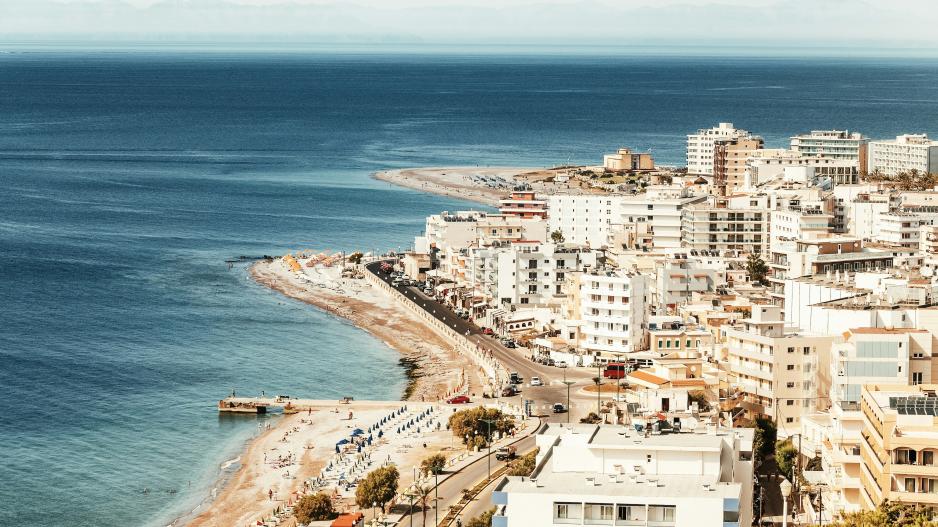
The latest RICS Cyprus Property Index with KPMG in Cyprus reveals that the island’s real estate sector recorded moderate growth in the second quarter of 2025, with Larnaca emerging as the top performer and Limassol lagging behind.
According to the quarterly report, houses registered the strongest price gains, followed by warehouses and apartments. In contrast, offices and retail properties remained subdued, continuing their weaker performance trend. On a year-on-year basis, apartments and houses saw the sharpest increases, while retail assets recorded the smallest gains, underscoring their declining appeal for investors.

District-level data highlighted significant differences across Cyprus.
-
Larnaca posted the highest overall growth, particularly in warehouses and houses.
-
Nicosia showed solid residential momentum.
-
Limassol remained almost flat, with declines in warehouse and retail prices.
-
Paphos experienced the steepest warehouse drop, though apartment prices edged up.
-
Famagusta saw the largest increase in office spaces among all districts.
Holiday properties continued to outperform, with holiday apartments leading the gains as sustained tourism demand supported the sector.
-
Larnaca recorded the largest quarterly increases in both holiday houses and apartments.
-
Paphos registered the weakest growth in holiday assets.
Rental values rose compared to last year, led by apartments and warehouses, while retail rentals were the only category to decline slightly.
Yields remained stable across most asset types, showing only marginal shifts since 2024. Retail yields dipped modestly, while houses, apartments, offices, and holiday properties held steady.
The report highlights a Cyprus property market that continues to expand, though growth remains uneven across regions and asset classes. While residential and holiday properties benefit from strong demand, the retail sector continues to struggle, reflecting shifting investment and consumption trends.