Foreign Property Purchases Soar in Cyprus; AKEL Pushes Real-Estate Checks in FDI Law
One-week delay in House vote as parties weigh safeguards on housing stock, labor and environment impacts.
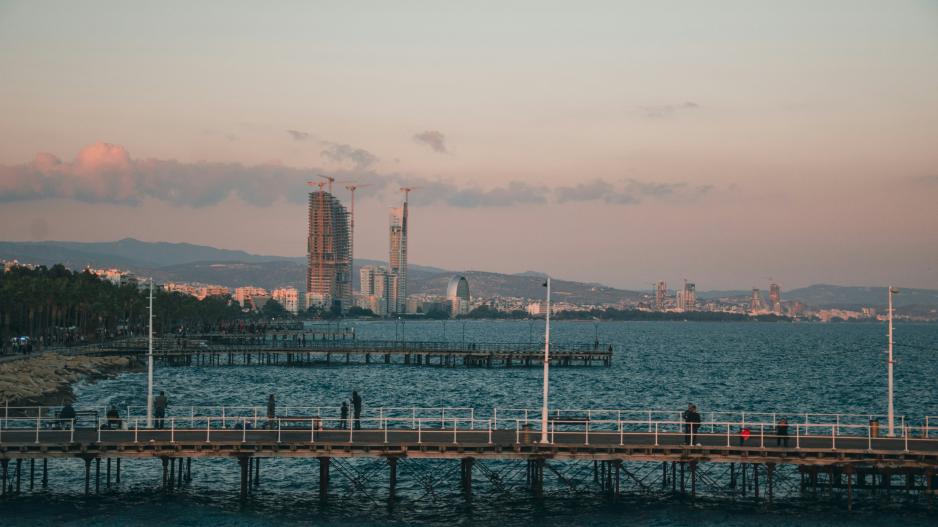
Cyprus has postponed by one week a House plenary vote on the long-awaited Foreign Direct Investment (FDI) screening bill, after AKEL tabled three amendments aimed at putting guardrails on what it calls the uncontrolled sale of land and real estate to foreign investors.
The delay allows time for cross-party consultations before the bill—designed to align Cyprus with EU Regulation 2019/452—is passed. Cyprus and Croatia are the last EU members still finalizing national FDI screening mechanisms.
AKEL’s amendments would require the competent authority to factor in:
-
Imbalances in the real-estate market and pressure on the housing stock when deciding if a foreign investment must be screened.
-
Whether the target operates in property management/acquisition, when assessing risks to public security or public order.
-
How an investment affects labor and environmental standards and compliance with international agreements.
Government officials have resisted carve-outs for the real-estate sector, noting it sits squarely within the EU screening scope. The final bill maintains broad coverage and introduces:
-
Mandatory notification for qualifying FDI—including a minimum investment value of €2 million.
-
Power for the authority to review any FDI that could affect security or public order—even if not notifiable—within 15 months (or up to five years for not-notified, otherwise notifiable cases).
-
Start date: 2 April 2026.
-
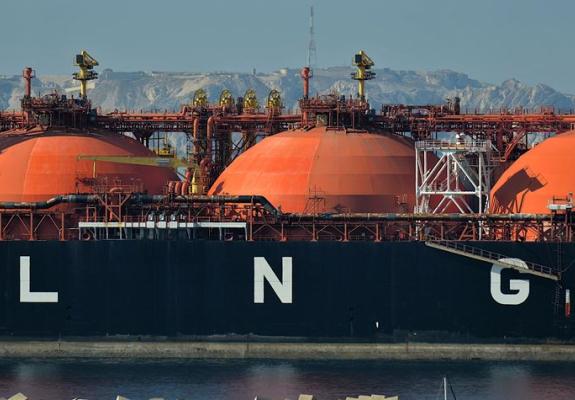
Exemption: ships under construction or traded ships (but not FSRU units).
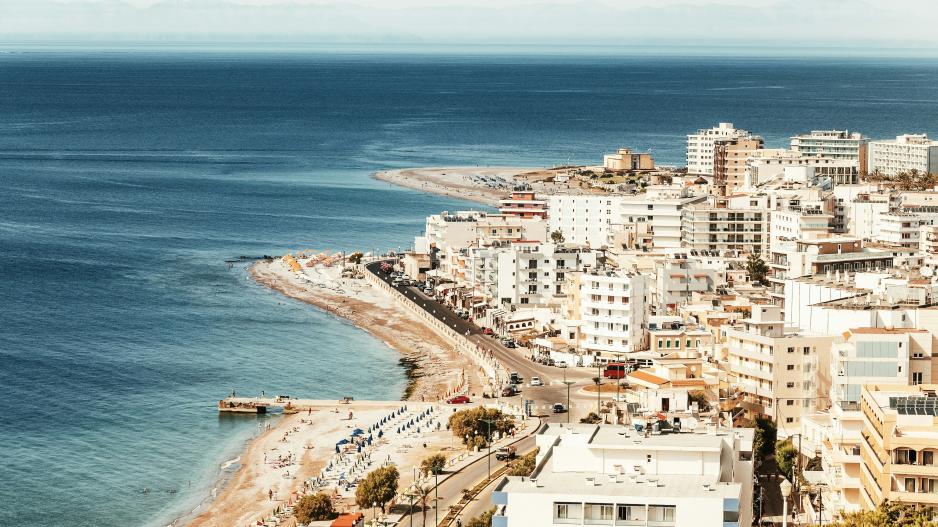
Fresh Interior Ministry data, submitted to Parliament in response to questions by AKEL MP Christos Christofides, show the scale of foreign buying:
-
Total foreign property transactions (15 Sep 2024–15 Sep 2025): 1,669 (natural persons; homes, plots, fields).
-
Homes: 962 ( 385 EU buyers, 577 non-EU).
-
Plots: 350 ( 218 EU, 132 non-EU).
-
Fields: 357 ( 276 EU, 81 non-EU).
-
No sales of registered hotel units were detected in the period.
-
Authorities cannot reliably enumerate apartment blocks sold where titles haven’t been modernized; such projects transfer by separate unit titles.
Where the homes were sold
-
Paphos dominates: 313 homes to non-EU buyers and 189 to EU buyers.
-
Limassol: 102 non-EU, 70 EU.
-
Larnaca: 77 non-EU, 41 EU.
-
Famagusta (free area): 71 non-EU, 43 EU.
-
Nicosia: 14 non-EU, 42 EU.
Plots and fields
-
Plots to non-EU buyers: Larnaca leads with 84, followed by Limassol 25, Nicosia 17, Paphos 6.
-
Plots to EU buyers: Limassol 98, Nicosia 65, Larnaca 31, Paphos 19, Famagusta 5.
-
Fields: 276 to EU buyers vs 81 to non-EU buyers overall.
By nationality and district
-
Larnaca: Israeli buyers (850) top the list, followed by Lebanese (723) and British (302).
-
Limassol: Russians (846) lead, then Israelis (571) and Greeks (261).
-
Paphos: British (890) are first, followed by Israelis (683), Russians (327), Greeks (257).
-
Nicosia: Greeks (403) rank first; also notable Romanian (112), Russian (80), Lebanese (79) activity.
-
Famagusta: British (220) top the foreign buyer list.
AKEL says the figures reinforce the need to screen real-estate-linked investments for potential market distortions and housing pressures. An Audit Office finding that 27% of buyers are from third countries was also cited in the political debate.