When We Stopped Talking and Started Playing: Mobile Games Became the New Social Language
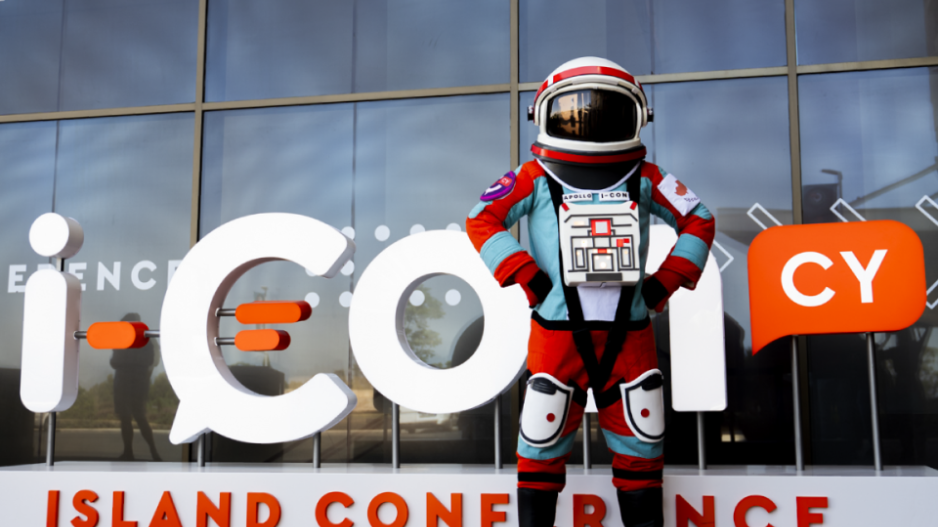
People have not stopped needing other people. That part has not changed. But the way we reach each other now looks very different. It is the main conclusion after visiting i- Con 2026 this May.
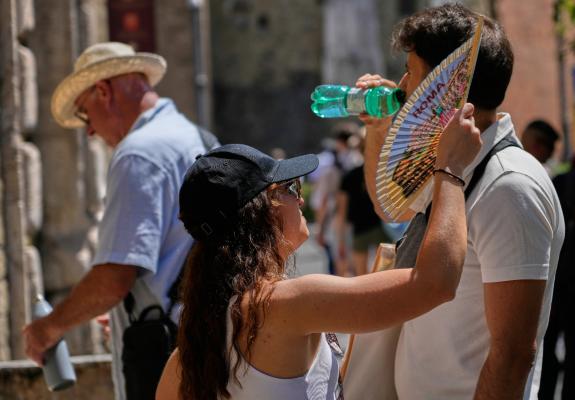
A study published in the Journal of Personality and Social Psychology found that between 2005 and 2019 (https://psycnet.apa.org/record/2024-12345-001), the average number of words people spoke aloud each day dropped by nearly 28%. That number feels almost too neat, but also strangely believable. Look around any café, airport queue or office break. People are there, together, but many of the small moments that once became conversations now go somewhere else. Into a message. A reaction. A short video. A meme. A game.
It is easy to describe this as people becoming less social. But what if they are not? Maybe we are just social in quieter, faster, more fragmented ways. We send instead of say. We tap instead of ask. We react instead of explaining. And sometimes we play instead of talk.
This was one of the more interesting things underneath the surface at i-Con. The conference was, of course, about iGaming, products, traffic, regulation and performance. But behind many of the discussions was a bigger question: what happens when an industry has to build for people whose attention has been trained by smartphones?
Because that is the real shift. For Gen Z and younger millennials, mobile games are not something separate from daily life. They are part of the same routine as TikTok, YouTube Shorts, group chats and scrolling in bed before sleep. A short game session does not feel like a “gaming moment”. It feels like another small digital action in the day.
And mobile games have taught users a very specific rhythm. Open. Tap. Get feedback. Win something. Unlock something. Come back tomorrow. Keep a streak. Share a result. Compare yourself with others. These mechanics are now everywhere - in fitness apps, shopping apps, education platforms, fintech products and, increasingly, iGaming.
One of the clearest examples at i-Con was Brainrot Mania by NGM Game. Mike Waizman, Chief Marketing Officer at NGM Game, presented the case for a slot built around brainrot culture: absurd AI-flavoured characters, viral sounds, meme logic, and the kind of visual language that looks chaotic if you are outside the culture but instantly familiar if you are inside it.
The point was not simply “we made a slot with memes”. That would be too simple. What made the case interesting was that the product did not try to dress an old format in a new costume. It tried to use the audience's language from the start. According to the presentation, Brainrot Mania generated 175.7 million total bets, attracted 342,000 active players and reached €6.24 million in total wagers. So whatever one thinks about brainrot as a cultural phenomenon, it clearly touched something real.
And maybe that is the uncomfortable part. Do you still perceive that meme as just a joke? In the right product, it can become a hook, a character system, a distribution channel, even a reason to return. As Mike Waizman said, “Our goal at NGM Game was not to put memes on top of an old format, but to build a game that genuinely speaks the language of current internet culture. For the industry, this is a clear signal that the future will belong to products that combine strong mechanics with character, shareability and a real understanding of how younger audiences express themselves online”.

Other i-Con igaming talks pointed in the same direction. Helen Walton, Founder of G.Games, spoke about the future of slots in the age of AI - and about what happens when classic slot content becomes too easy to copy and too similar to everything else. Helen sad: "Disruption is coming for the format of slots, not just the look and feel. How to layer in the kind of immersive entertainment and social connection found in video games." At some point, games need a stronger identity. They need to feel alive.
Mike Danshin, CMO at 1w Crypto, approached the same attention problem from another side: influencer marketing in iGaming. His topic was about economics, but the deeper point is cultural. Younger audiences often do not discover products through formal advertising first. They meet them through creators, communities, screenshots, jokes, recommendations and the strange trust that builds around online personalities. Mike noted “People didn't get less social, they got social in faster, quieter ways. For our side of the table that means a product now competes for the same taps as a computer game or a short video, not just other slots. Good to share the stage on this one”.

This is why many games now behave less like products and more like small ecosystems. They live in Discord groups, Reddit threads, influencer videos, tournaments, leaderboards and user-generated content. The game itself is only one part of the experience. The rest happens around it.
For iGaming, this changes a lot. A classic slot was built around symbols, mechanics and probability. The next generation of games is being built around characters, tone, timing, community and shareability. A fruit symbol on a screen may still work for some players. But it is hard to imagine it becoming a culture.
AI-native aesthetics and meme formats are powerful because they move fast. They are weird, flexible, borderless and easy to remix. They do not always look polished. Sometimes they look deliberately broken. But that is part of the appeal. They feel closer to the internet as people actually experience it - messy, funny, repetitive, absurd and alive.
So the bigger story is not really about one slot or even one conference. It is about the way human behaviour is moving. We may be speaking fewer words out loud, but we are not silent. We are tapping, playing, reacting, sharing, remixing and coming back.
Mobile games have become one of the clearest signs of this shift. They are no longer just entertainment for spare minutes. They are becoming a social language of their own.
And iGaming is now trying to learn how to speak it.