4th RAAC meeting focuses on regional cooperation towards a sustainable future
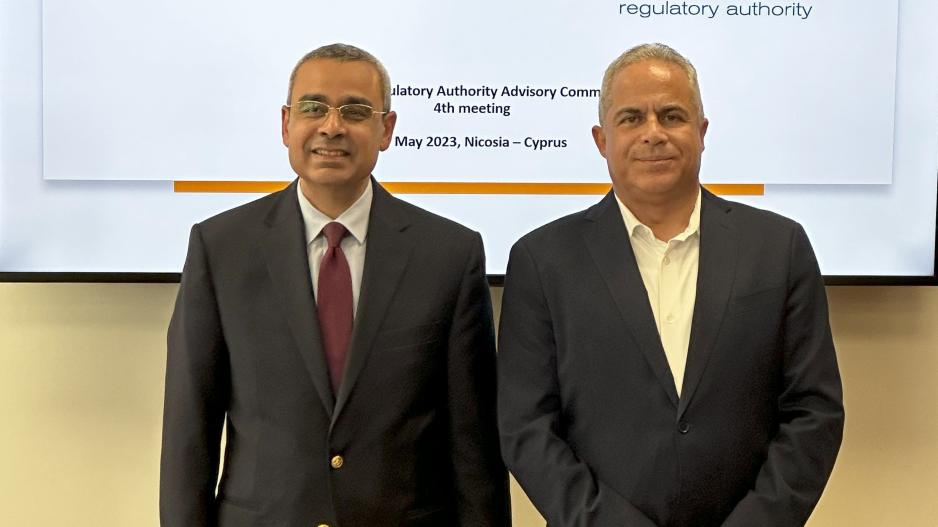
The 4th Regulatory Authority Advisory Committee (RAAC) was organized by the Cyprus Energy Regulatory Authority (CERA) and was held in Nicosia, on May 17th. In the committee meeting the importance of mutual cooperation towards a sustainable future was highly stressed, as well as RAAC’s crucial role in the Eastern Mediterranean region.
Chairmen and representatives from the National Regulatory Authorities of the East Mediterranean Gas Forum (EMGF) member states gathered for a crucial meeting held in a hybrid format. The distinguished participants included CERA (Cyprus), GASREG (Egypt), CRE (France), RAE (Greece), NGA (Israel), ARERA (Italy), EMRC (Jordan), and PNA (Palestine). The meeting, hosted by Dr. Andreas Poullikkas, Vice Chairman of RAAC and Chairman of CERA, as highlighted in an official press release, served as a pivotal platform for discussions and collaboration among these influential entities.
The 4th RAAC meeting began with the Regulators' Presidents' roundtable discussion which focused on topics related to the enhancement of the investment climate, attractiveness, and innovation. Regulators' Presidents stressed the necessity of a transparent and fair regulatory framework that would create an attractive environment for investments and enable the development of innovative solutions in order for consumers to benefit.
In their opening remarks, the EMGF Secretary General, H.E. Osama Mobarez, as well as the RAAC Vice-Chairman and CERA Chairman, Dr. Andreas Poullikkas, noted the significance of collaborative efforts for a sustainable future, while great emphasis was placed on RAAC’ s vital role in the region.
Furthermore, the RAAC members approved the Work Plan for the next months, in alignment with the "Long-term Strategy" of EMGF, which aims to unlock the East Mediterranean gas potential and establish a crystal clear timeline. A relevant RAAC position paper was also approved to emphasize the need for a harmonized regulatory gas framework in the East Med region and thus, support market development and integration.
In addition, RAAC members presented an overview of the regulatory frameworks which are currently in place in each of the EMGF member states. The panel also discussed the progress of a future planned report that will aim to identify and classify all challenges related to the advancement of cross-border interconnection projects.
Dr. Andreas Poullikkas, the Vice-Chairman of RAAC, emphasized the vital role of the committee as a cooperative platform fostering constructive dialogue on gas-related matters. Through collaborative efforts, joint strategies can be formulated, and regional gas policies can be developed, aligning with the shared vision of EMGF. The next RAAC meeting is scheduled to take place in Cairo in July 2023, coinciding with the Ministerial Meeting of EMGF. This back-to-back arrangement underscores the commitment of member states to work in unison and drive meaningful progress in the East Mediterranean gas sector.
Looking at the bigger picture, regional cooperation in the energy field plays a pivotal role in enhancing bilateral relations, boosting the economy, and promoting peace and stability. By working together on energy projects, neighboring countries can establish strong partnerships and foster mutual trust. Collaborative initiatives, facilitate economic integration and create opportunities for trade and investment. After all, access to reliable and diverse energy sources is crucial for a country's economic stability, energy security, and overall development. Diversifying energy supply routes and sources becomes even more critical to reduce dependence on a single provider and ensure resilience in the face of geopolitical tensions.