Cyprus Approves Trial of Smart Cameras to Catch Distracted Drivers
Ai-Powered Camera to Be Tested in Bid to Reduce Fatal Road Collisions, Vafeades Says
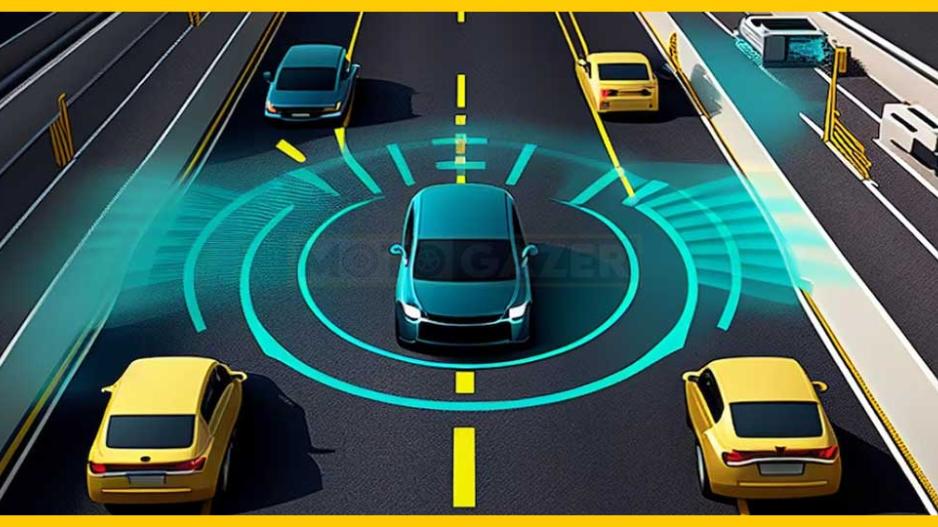
Transport Minister Alexis Vafeades announced a pilot program deploying AI-powered fixed cameras to detect motorists using mobile phones, targeting driver distraction to significantly reduce fatal and minor road collisions.
Addressing Driver Distraction Through Technology
An AI-powered camera will be installed on a pilot basis as part of efforts to reduce fatal road collisions linked by police to drivers using mobile phones, Transport, Communications and Works Minister Alexis Vafeades said on Friday.
Speaking in Protaras and asked how AI cameras could help address road safety problems, Vafeades said the two main issues of concern were vulnerable road users, particularly motorcyclists, for whom measures would be announced soon, and driver distraction caused by mobile phone use inside vehicles.
“This distracts drivers and we end up with more fatal road collisions, as well as minor collisions,” he said. The Minister said such behaviour put at risk everyone using the road network, including children and families, adding that society’s support was needed to stop it. “The only way to do this is to use technology to identify those drivers who insist on breaking the law and putting everyone else at risk,” he said.
The Phased Pilot and Legislative Path
Vafeades said the Ministry would begin with a pilot project to assess whether the system works, so that the public can be informed about the initiative and properly briefed before any wider implementation. “We need to do something. We need to move forward in order to solve this problem,” he added.
Asked how the AI camera would operate, Vafeades said the pilot system would be installed at a fixed location and would start recording, providing information on what it detects, how it works and how effective it is.
If the system delivers the desired results and provides the necessary information, he said, the Ministry would launch a process to amend the legislation and present it to the House of Representatives. Should the legislative changes be approved, he added, a pilot phase would follow for a sufficient period of time, so that people are informed, understand how the system works and are not caught by surprise.
“We do not want that. We want people to know, and this is why we will follow this specific procedure,” he said.
AI Capabilities vs. Conventional Cameras
Asked what AI cameras would record beyond the capabilities of conventional cameras, Vafeades said artificial intelligence could help determine whether a driver should be monitored because they are using a mobile phone.
“Not all drivers use their mobile phones, but artificial intelligence will be able to detect whether a person is using a phone while driving,” he said. He added that the system would flag the offence and the police officer monitoring the process would then handle it accordingly, depending on how the legislation develops.
Asked when the first AI cameras were expected to be installed, the Transport Minister said he was waiting for the competent service to say when the first pilot camera would be put in place. “There will be information. This will not be done in secret. It will be done very, very openly,” he said.