Cyprus Was Set for a Record Tourist Boom. Then the Region Exploded.
What Tourism Professionals Fear – A Historical Look at the Impact of Past Regional Conflicts on Cyprus
As Cyprus gears up for the peak of its 2025 tourist season, looming geopolitical tensions in the Middle East are causing concern within the industry. The renewed conflict in the region highlights the fragile balance between tourism, regional stability, and international perceptions of safety.
As Brief reports, located just 300 kilometers from Lebanon’s coast and under 500 kilometers from Israel, Cyprus remains in close proximity to a volatile region. While the island is not directly involved in the conflicts, tourist perceptions are shaped more by perceived risk than by factual safety.
>>Middle East War Triggers Economic Alarm in Cyprus<<
According to the Cyprus Hotel Association (STEK), travelers from key markets such as Germany, France, and Scandinavia are especially sensitive to geopolitical developments. This sensitivity often leads to cancellations or destination changes, even in the absence of a direct threat.

Tour operators have already reported delays in last-minute bookings, especially from Western European markets. Additionally, there has been an increase in inquiries and destination change requests from tourists who originally planned to visit Israel, Jordan, or Lebanon—many now considering Cyprus as an alternative.
Several airlines have begun altering flight paths to avoid the affected region's airspace. However, current booking cancellations remain limited and manageable. Industry insiders stress that unless tensions escalate significantly or involve global powers like the US or Iran, the season could still proceed normally.
Paradoxically, instability in neighboring destinations could redirect tourist flows toward Cyprus, particularly in the following ways:
-
Travelers canceling trips to Israel, Egypt, Turkey, or Lebanon may opt for Cyprus instead.
-
Cruise lines adjusting itineraries may increasingly dock in Limassol or Larnaca.
-
Conference and corporate retreat organizers might move events from crisis zones to safer venues like Cyprus.
Still, experts caution that such shifts are typically short-lived and unlikely to fully compensate for a broader downturn if core markets avoid the region altogether.
Tourism stakeholders outline three main scenarios that could severely impact the sector:
-
Escalation of Conflict – A potential strike on Iran or ground intervention could destabilize the wider region.
-
Terror Threats and Air Travel Risk Perception – Incidents or perceived aviation risks could damage tourist confidence.
-
Fuel and Ticket Price Increases – Rising costs could dampen demand and reduce Cyprus's price competitiveness.
Adding to these concerns are existing industry vulnerabilities such as staff shortages and increasing operational expenses (fuel, electricity, and transport), making the sector more exposed to external shocks.
While Cyprus is not part of the crisis, industry sources note that it could still suffer its consequences. The outcome of the 2025 tourist season will largely depend on two factors:
-
If the crisis remains local and short-lived, the impact will be minimal.
-
If it expands into a broader regional or energy crisis, the consequences could be significant.
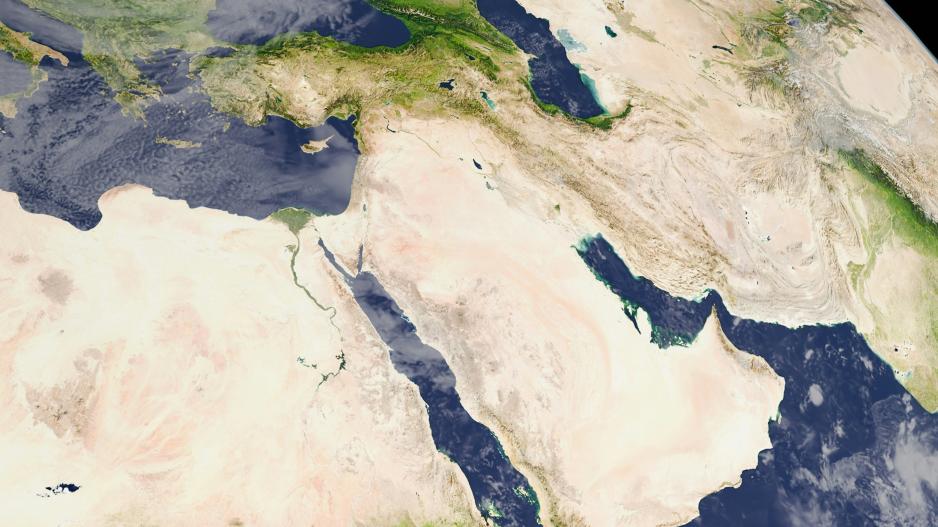
Israel–Hezbollah Conflict (Summer 2006)
Limassol served as a temporary evacuation base for Europeans fleeing Lebanon. While Cyprus wasn't directly affected, European bookings slowed for 2–3 weeks before recovering. A brief spike in Israeli arrivals was also recorded.
Arab Spring – Egypt & Tunisia (2011–2012)
Mass cancellations in Egypt led many tourists to switch to Turkey, Greece, and Cyprus. The island saw a noticeable increase in arrivals from Central and Western Europe, especially between May and July.
Syrian Invasion (2013–2015)
Though Cyprus was not directly impacted, psychological deterrence affected tourism. Domestic bookings rose as Cypriots avoided foreign travel, while the Israeli market temporarily declined due to military mobilization.
Past clashes in Gaza (2021–2023)
Israeli tourist bookings dropped, but there was a rise in last-minute European bookings from those avoiding Jordan, Israel, and Lebanon.
According to the World Travel & Tourism Council, safety is the most important factor for European travelers. Perceived risk often leads to cancellations more frequently than financial concerns.