Middle East War Triggers Economic Alarm in Cyprus
Israel-Iran conflict ignites fears of a new energy crisis, shaking Cyprus’s economic sectors—from oil imports to tourism and shipping.

A state of alert has been triggered among Cyprus’s technocratic teams across the Ministries of Finance and Energy, as well as the Deputy Ministries of Shipping, Tourism, and Migration, due to the escalating conflict in the Middle East.
The war between Israel and Iran has taken a grave turn since last Friday, when Israel launched a first strike against Iran. The global economic repercussions and market volatility have become increasingly evident.
>>Cyprus Was Set for a Record Tourist Boom. Then the Region Exploded.<<
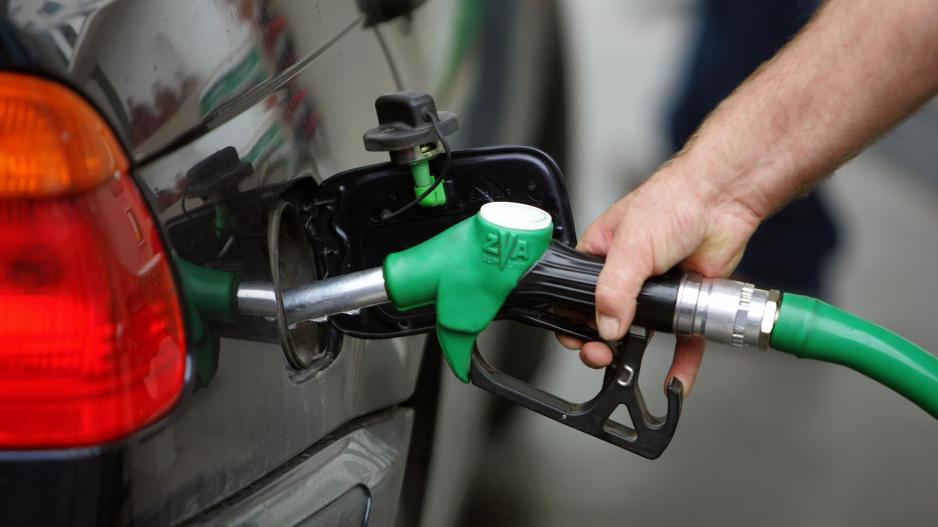
Crude oil prices have surged globally, raising alarms about an imminent new energy crisis. Cyprus, which annually imports fuels and lubricants valued at around €2 billion, is especially vulnerable.
Within the Ministry of Energy, technocrats monitoring international oil markets have recorded crude oil prices climbing to nearly $80 per barrel. While no final decision had yet been announced by Tehran regarding the closure of the Strait of Hormuz at the time of reporting, the mere possibility has heightened concerns.
A potential blockade of the Strait—through which 30% of the world’s oil and natural gas bound for Europe is transported—would almost certainly trigger an acute energy crisis. Even if Iran refrains from such action, the upward trajectory in oil prices is unlikely to abate.
The country’s financial system is also bracing for impact. According to Brief sources, confirmed by senior banking officials, emergency meetings have been scheduled with heads of risk management divisions. These meetings aim to assess the situation and identify all possible risks—including extreme scenarios—that could destabilize the banking sector.
“It is absolutely essential to implement preventive measures to safeguard the stability of our financial system,” a board member of the Bankers’ Association told Brief.
“No one can rule out a further escalation of this crisis, and vigilance is the minimum required,” the same source added.
The Ministry of Finance’s technocratic team is operating under emergency protocols. Clear directives have been issued from both the Minister’s office and the General Director: conduct a thorough evaluation of potential repercussions on the Cypriot economy and include even the most extreme scenarios. Daily reports are now being compiled based on evolving data.
The Ministry's chief concern is the risk of a new energy crisis, as rising oil and fuel prices directly affect the base cost of essential goods and, by extension, inflation.
A further deterioration in the current account deficit—already considered a serious yet under-communicated economic risk—cannot be ruled out.
Officials are particularly wary of renewed global market uncertainty, widely acknowledged as the number one risk to economic stability. Historically, uncertainty often triggers a domino effect of negative outcomes in financial markets, which remain highly vulnerable. Though prior trade tensions under the Trump administration hinted at a market correction, the current geopolitical turmoil is far more severe.
As a Ministry of Finance technocrat put it: “Uncertainty, ongoing warfare, skyrocketing fuel prices, recession in services and tourism—especially for Cyprus—and maritime trade disruptions form an extremely dangerous cocktail for any national economy.”
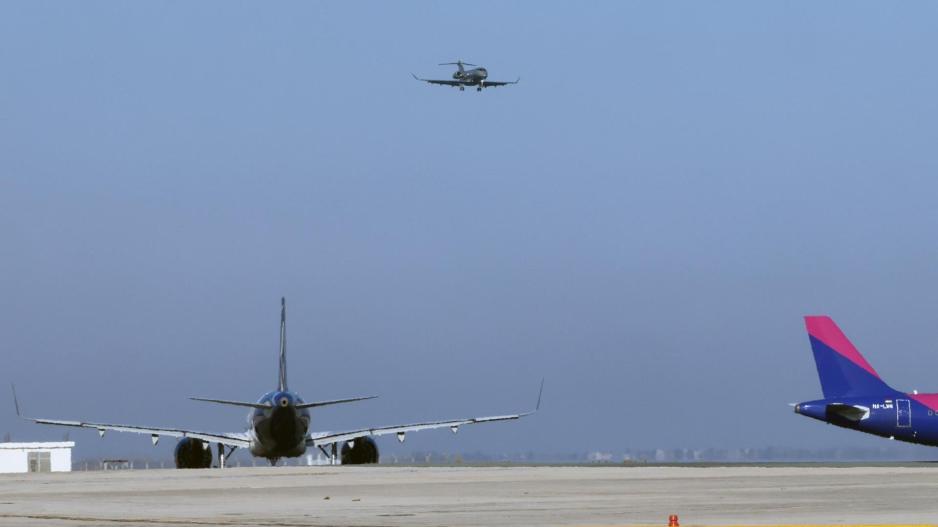
Military conflicts, especially those close to home, inevitably impact the tourism industry. Hotel operators in Cyprus are closely monitoring the situation. Industry associations PASYXE and STEK are reportedly convening separately to assess the risks and potential fallout.
The Deputy Ministry of Tourism, meanwhile, has yet to receive any official reports of booking cancellations at tourist accommodations. However, tourism stakeholders broadly agree that a prolonged conflict could adversely affect the sector.
The ongoing war in the region is also expected to disrupt shipping routes—particularly cargo transport—thereby impacting the food supply chain and creating additional logistical challenges.