The Heart Group Launches the First Heart Hotel - An Ode to Innovation and Transformation
The Heart Hotel’s visionary approach to modernity and cultural preservation in Limassol.
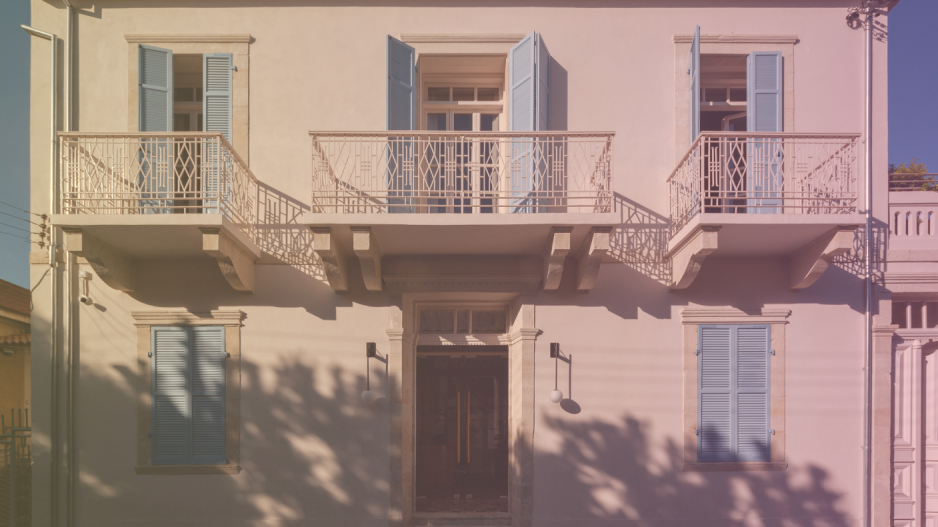
The Heart Group, co-founded by siblings Stylianos & Andria Lambrou, is taking a bold step in Limassol's architectural landscape. With the launch of the Heart Hotel, the group brings to light the concept of adaptive reuse, an innovative approach to sustainability and architectural conservation.
Limassol, known for its rich history and cultural landmarks, often grapples with the challenge of modernizing its infrastructure while preserving its historical essence. The Heart Hotel project provides a glimpse into how this balance can be achieved, showcasing how old structures can be repurposed to cater to contemporary needs without erasing their past.
Adaptive reuse refers to the process of repurposing buildings that have outlived their original purposes, transforming them to serve new roles while retaining their historic value. This approach has been recognized globally for its environmental benefits, with the conservation of materials and energy standing out as key advantages. According to the Architectural Record, repurposing old buildings can save up to 82 percent of carbon emissions when compared to constructing new buildings.
Not only is adaptive reuse an environmentally-friendly approach. It is also about respecting and retaining the cultural and historical narrative of a region. Buildings hold stories, memories, and a piece of the community's heart. Instead of erasing these stories, adaptive reuse ensures they continue to be told in a modern context.
A dive into statistics from AskWire’s report reveals that of the 52,259 buildings in Limassol, only 806 of them are under a decade old in construction. These structures, while holding historical significance, often lie underutilized or in a state of decay due to their inability to meet modern demands.
However, these very buildings provide a ripe opportunity for projects like those of the Heart Group. Instead of viewing them as architectural relics, they can be seen as canvases ready for a makeover. By adopting adaptive reuse, not only can Cyprus preserve its rich history, but it can also foster urban rejuvenation and economic growth.
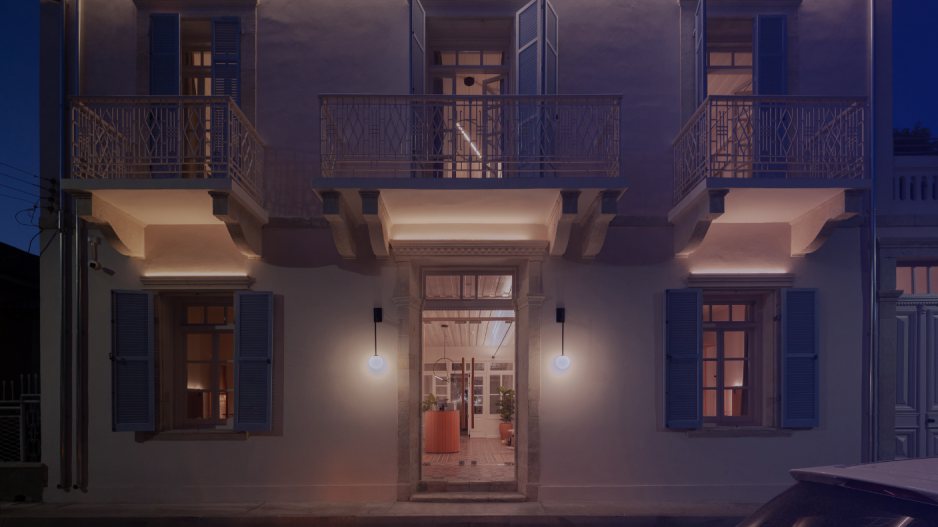
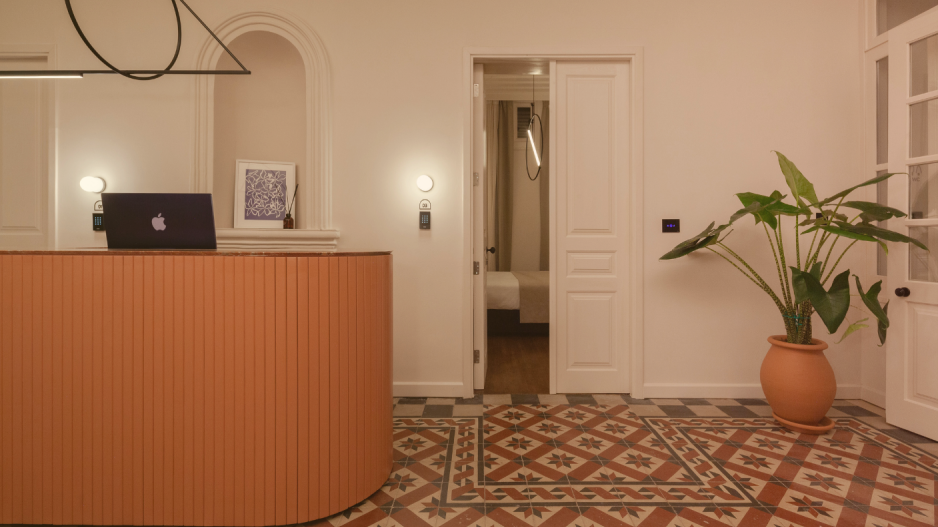
Situated opposite the iconic Ayia Triada church in Limassol, the Heart Hotel once was a listed building now rejuvenated into an 11-room boutique space. What's notable about the hotel is its fusion of past and present. The exterior retains its historical touch, while the interiors echo a more modern design philosophy, catering to the tastes of today's traveler.
The project's impact extends beyond just aesthetics. The revitalization of this structure signals a positive change for the community. Such projects can spur local economic growth by attracting tourists and creating jobs. Additionally, they can act as a template, inspiring other businesses and developers in Cyprus to consider adaptive reuse as a viable and sustainable development strategy.
The Heart Group's initiative with the Heart Hotel in Limassol is more than just the launch of a new lodging space. It's a statement about the possibilities that lie in merging the old with the new. As Cyprus looks toward the future, embracing adaptive reuse might just be the key to preserving its past while ensuring sustainable growth.