Milk Price Dispute over Halloumi Cheese Production Intensifies
Sheep and Goat Milk Producers Push for 50% Quota Implementation by July 2024
Members of the Cheese Makers Association have been legally advised to refrain from public discussions, positions, or statements regarding the price of milk used for the preparation of PDO (Protected Designation of Origin) halloumi cheese.
This cautionary advice follows the sectoral investigation announced by the Competition Protection Committee on September 1st. The investigation pertains to the collective prices set by last year's agreement concerning our traditional product, which was endorsed by the Ministry of Agriculture.
When asked by Brief to comment on recent criticisms from sheep and goat farmers regarding non-compliance with agreed terms and insufficient inspections, the Association’s President, Marios Konstantinou, said, “We have fully implemented the agreement of July 22nd, 2022, concerning PDO halloumi, which we wholeheartedly support. We continue to do so, staying true to our philosophy that not a single drop of milk is wasted.”
He added that every two to three months, dairies undergo inspections by the independent international firm, Bureau Veritas, and additional checks by the relevant ministry for PDO halloumi. This cheese is prepared based on the agreed quota and remains in high demand both domestically and internationally.
The production amounts to an annual 45,000 tons, of which 41,000 tons underscore the robust export potential of halloumi, while the rest is available in the Cypriot market.
Addressing a query about a decline in sales, Konstantinou affirmed a 9% drop during the first half of the year. He attributed this to the absence of specific product codes popular among buyers, like low-fat halloumi and halloumi burgers.
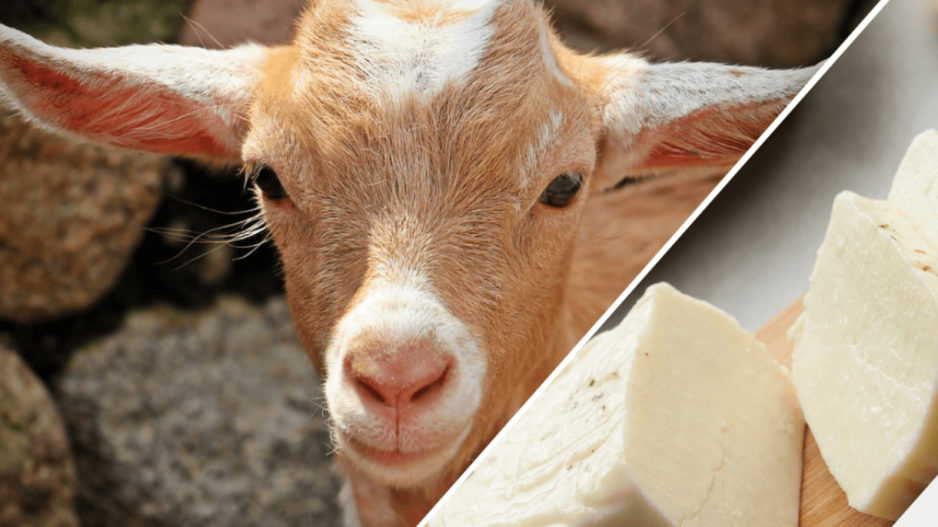
Meanwhile, organized groups of sheep and goat milk producers remain steadfast in their position, refusing the cheesemakers' request to fix a 10% quota on sheep and goat milk. They also dispute the cheesemakers' assertion that their production doesn't exceed an average demand of 10% annually.
Furthermore, these groups oppose a five-year extension and demand the implementation of a 50% quota for sheep and goat milk by July 2024. They are also determined to report the Ministry of Agriculture to the European Commission, alleging insufficient inspections and tolerance of irregularities.
They have granted the government a few more weeks to address their demands; otherwise, they plan to appeal to the EU and will protest outside the Presidential Palace on October 23rd.
Agriculture Minister Petros Xenofontos reportedly requested the sheep and goat farmers to document their demands for a meeting with the President of the Republic.