Smoke and Ashes - Can Cyprus Become Smoke-free?

James Dean definitely made smoking cigarettes look cool in the 1950’s. The fad of being cool while smoking was all over the media including popular movies and television series for years to come, showcasing protagonists lighting up a cigarette or having a pack rolled up in their sleeves like John Travolta in Grease Lightning.
As the world evolved to focus on sustainable practices and healthy habits, smoking became much less glamorized and popular, and transitioned into being seen as more of a vice and an unhealthy addiction. Today, however, society and tobacco companies alike are looking for a better, less harmful alternative to cigarettes, giving rise to e-cigarettes and vaping products.
Several countries have been looking to establish policies and laws to reduce the use of and harm caused by tobacco products. For example, in 2019, the Greek government shared its National Action Plan against smoking, The SmokeFreeGreece Initiative, which outlines Greece’s plan to support smokers looking to quit and protect non-smokers from exposure to smoke. The plan also details efforts to further assess and regulate tobacco products with harm-reduction being the top priority.
In taking the anti-smoking campaign even further, New Zealand has become the first country to outright ban the sale of cigarettes, as part of their smoke-free plan to bring the number of citizens who smoke to less than 5%. Currently, only 13% of adults regularly light up cigarettes in New Zealand, making their target much more feasible. Its efforts may be an example of potential strategies for Cyprus to achieve the same goal while considering the industry's response and the economic impact of transitioning to e-cigarettes and vapes.
As the world looks to create a smoke-free future, it is interesting to note how alternative products to cigarettes will impact the tobacco industry, which has been prevalent in Cyprus for decades.
The tobacco industry in Cyprus was a big hit, especially in the 1980’s. Most notable is Rothman’s presence with the rallies they sponsored such as their 1988 “Rothmans Cyprus Rally”. It is clear that the tobacco company played a significant role in Cypriot society, and, although Rothmans no longer hosts its iconic rallies, smoking tobacco continues to grip Cypriot society today.
As it currently stands, the tobacco industry continues to hold a prominent position in Cyprus, contributing to the nation's economy while simultaneously fueling smoking habits. In 2020, 35% of adults in Cyprus used tobacco, a 5% decrease since the 2000’s. Despite the slight decrease of tobacco users, the figures highlight the prominence of the tobacco industry's presence. The tobacco products market in Cyprus to date has generated $353 million in revenue, nowhere near the most revenue generated from the industry, as China boasts $29 billion to date.
While creating and generating revenue is great for business, the health risks associated with smoking cigarettes far outweighs any “cool” boons or profitability, at least for consumers. Not to raise alarms for readers who smoke, but according to the Centers for Disease Control and Prevention (CDC), smoking increases the risk of exposure to heart disease by two to four times, and developing lung cancer by 25 times.
A study by the Organization for Economic Cooperation and Development (OECD) and the European Commission highlights that “the leading cause of preventable mortality is lung cancer, driven by high smoking rates” in 2021. Heart disease is also considered a common risk to mortality among Cypriots, however it is unclear if it is goaded solely by smoking cigarettes.
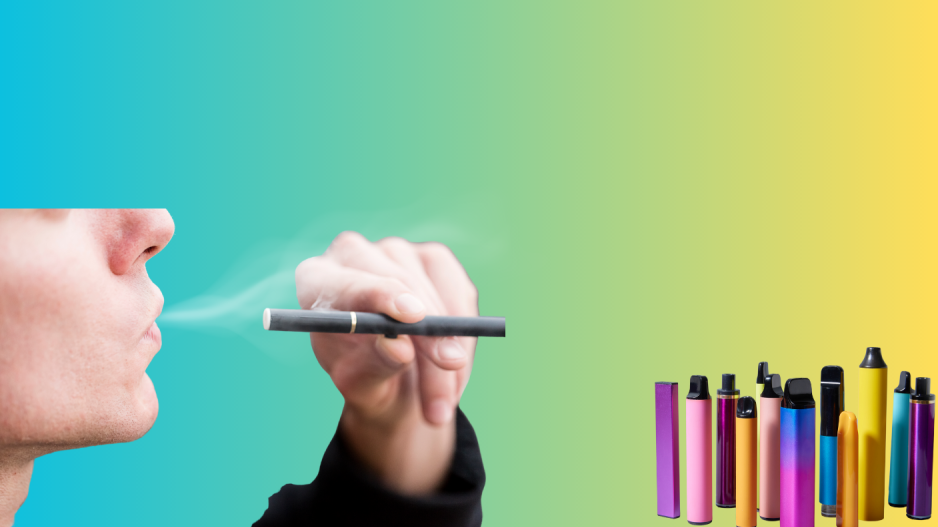
In this context, organizations around the world, as well as society at large, have been seeking a replacement for cigarettes for those who choose not to quit. One of the most popular alternatives, e-cigarettes, has been under scrutiny for the health risks, and potential improvements compared to its less healthy counterpart, cigarettes.
An e-cigarette is an electronic device that heats up a tobacco product rather than burning, or vaporizes a liquid that is ingested as smoke. By replacing the effect of burning paper and tobacco, e-cigarettes are perceived to be a healthier alternative.
People have been taking a liking to e-cigarettes which is reflected in the revenue of the e-cigarette market, amounting to an estimated $24 billion to date. In the UK, vaping and e-cigarettes have had positive economic effects, as the head of economic advisory at CEBR, Owen Good, stated that vaping is “creating employment and wealth, generating precious revenue for the government through taxation while at the same time saving the NHS more than £300 million a year through people switching from smoking to vaping.”
There are instances, however, that vaping and e-cigarettes have started to receive a bad rap, as noticed in New Zealand which has been heralded as the first country to go smoke-free by 2025. Their choice to reduce the number of shops permitted to sell tobacco products to 600 nationwide out of 5 million stores may have spurred on the beginning of addiction to the “next generation” of cigarettes.
Due to the accessibility of smoke-free products, studies in the US have found that 20% of highschoolers use smoke-free products daily, compared to the 12% who smoke cigarettes. This is seen as a challenge, despite the fact that vapes do not contain tobacco, they do contain nicotine, which is the addictive chemical that draws people to continue smoking in the first place.
In light of these concerns, a study by Robert J. Shapiro and Siddhartha Aneja in 2019 suggests that “e-cigarette vapors do not contain acetaldehyde, a chemical produced from burning sugars added to cigarettes and which contributes to tobacco addiction. Further, the nicotine in the vapors of e-cigarettes makes them an effective tool for some people trying to stop smoking, since it satisfies their existing nicotine cravings.” These findings further encourage people to make an effort to transition to the cigarette’s electronic counterpart.
The transition focuses mostly on harm reduction. Tobacco companies have been acquiring and merging with e-cigarette brands and subsequently building their own products since 2012. Due to the highly dominated tobacco market, large companies were in a great position to buy-out their competition and adjust to the disruptive changes at their own pace.
The last large international tobacco company to join the e-cigarette market, Philip Morris International (PMI) , has recently made notable strides towards developing smoke-free products, as their market share has been reduced between 2014 through to 2021.The company's ambitious vision aims to transition smokers towards less harmful alternatives, such as heated tobacco products and e-cigarettes.
What is clear from the disruptive, dynamic entrance of e-cigarettes in the tobacco industry is that, while the long-term health benefits and risks are continuously being discussed and monitored, they have enough power to essentially force tobacco corporations to adjust their products and strategies. E-cigarettes have had a profound impact on people who smoke and the industry as a whole, and will likely continue to do so in time to come. The key message that regulators and industry leaders are putting forward is that they are focusing on harm reduction.
While the world is moving further away from the “cool” James Dean image of slicked-back hair, a white-tee, and a lit cigarette between the lips, there is a new fad of e-cigarettes and vapes, even among the youth. However, e-cigarettes may even be a saving grace for year-long smokers, and may contribute to the reduction of heart disease and lung cancer cases.