Cyprus Hotel Bookings Gradually Recover but Hoteliers Face Anticipated 20% Drop This Season
Bookings Improve but Season Remains Under Pressure, Hoteliers Say
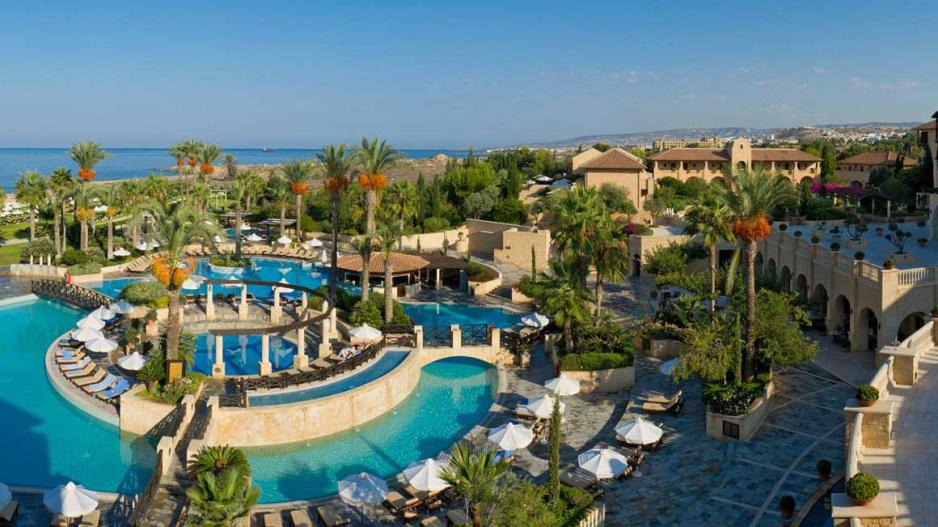
Cyprus Hotel Managers Association President Dr Christos Angelides notes improving booking flows and stabilizing cancellations, though the sector still anticipates a 20% loss for the remainder of the season due to regional tensions.
Signs of Recovery Amid Industry Losses
Hotel bookings in Cyprus are gradually improving after months of disruption linked to the crisis in the Middle East, but the sector is still facing an average loss of around 20% for the rest of the season, President of the Cyprus Hotel Managers Association Dr Christos Angelides has told CNA.
Angelides said the wave of cancellations recorded over the past two to three months had now stopped, while the flow of bookings had improved both for the immediate period and, gradually, for the rest of the season. However, he noted that bookings had not yet reached a level that could offset previous cancellations and secure a strong tourism year.
Navigating High Air Fares and Changing Competitiveness
He said hotels and tourism businesses were trying to reverse the decline through better prices and advertising, including offers aimed at the domestic market, at a time when air fares and accommodation costs in other destinations have also risen. “Destinations which were previously considered cheaper than us no longer are,” he said, adding that although travelling abroad remains attractive for many people, more Cypriots were expected to take their financial situation into account before deciding on holidays overseas.
Asked about flight cancellations and route changes by airlines, Angelides said these had indeed taken place, largely due to higher aviation fuel prices. He expressed hope that, if regional tensions ease, fuel prices and air fares would fall, supporting a better autumn and possibly winter season.
The Return of Key Markets and Last-Minute Demand
He also said tourism from Israel had started to recover after falling to almost zero for around two to three months. Daily arrivals from Israel were improving, he added, expressing hope that even short two- or three-day stays would help Cyprus’ tourism product recover. Angelides said last-minute bookings were already helping and could continue to support the sector during the remainder of the season.
At the same time, he stressed that the quality of services must not be affected under any circumstances. He said the sector had two main challenges: to manage the loss of hotel occupancy recorded in March, April and May, and to avoid undermining what Cyprus has built over the years as a quality and pleasant destination.
Strategic Campaigns for Long-Term Growth
Angelides also called for a campaign from now until the end of 2027 to help Cyprus regain momentum in foreign markets and remove any doubts over the safety of the destination.
Tourism, he concluded, is not delivered by hotels alone, but by all those involved in the country’s tourism chain.