EU Launches Strategic Connectivity and Competitiveness Roadmaps to Revitalize Islands and Coastal Communities
Coastal Communities Focus of EU Strategies for Islands
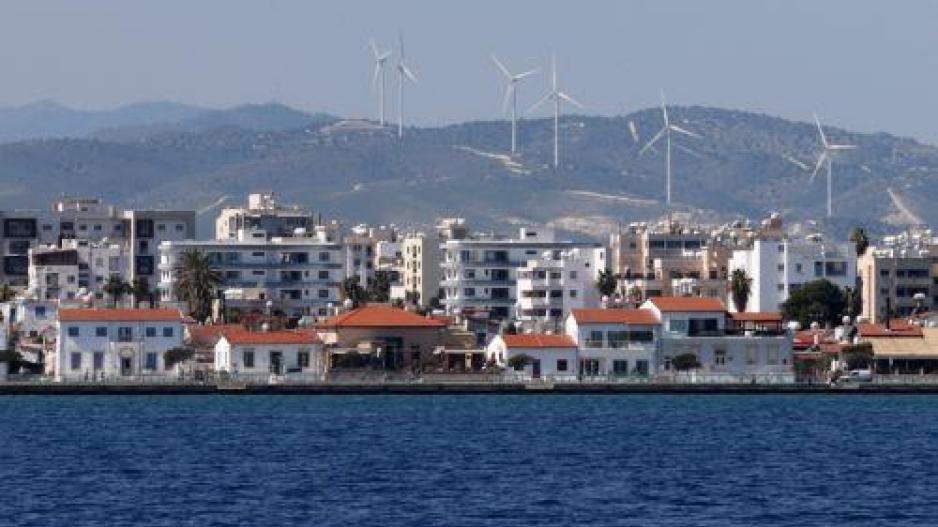
European Commission leaders unveiled two major strategies in Paphos focused on island and coastal resilience, driving a €265 billion blue economy while establishing the fundamental "Right to Stay" for local populations.
A Unified Vision for Europe’s Coastlines and Islands
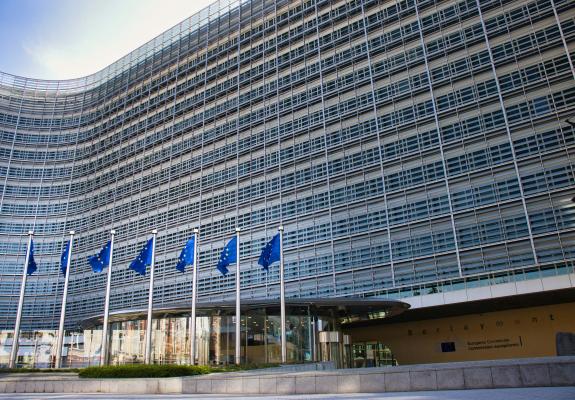
The European Commission’s two new strategies for islands and coastal communities, focusing on improving connectivity, strengthening competitiveness and resilience, and enhancing the well-being of their residents, were presented by European Commission Executive Vice-President for Cohesion and Reforms Raffaele Fitto and Commissioner for Fisheries and Oceans Costas Kadis at the High-Level Conference “Strengthening the Islands and Coastal Communities of the EU”, held in Paphos on Friday.
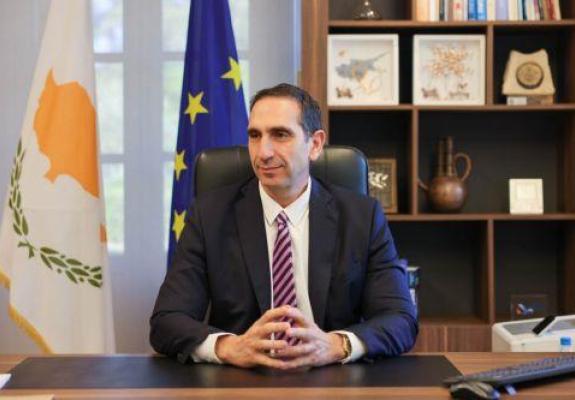
Introducing the two “highly significant” strategies, Finance Minister Makis Keravnos said these strategies recognise that islands are not on the periphery of Europe’s development, but constitute an integral part of the EU’s identity, resilience, competitiveness, security and territorial cohesion.
As the European Union prepares its policies and investments for the next seven-year budgetary period, Keravnos said, “we must ensure that the needs of islands and coastal communities are taken into account in a systematic and effective manner”.
Commissioner for Fisheries and Oceans Costas Kadis noted that what makes coastal communities so important is the 95 million people living along Europe’s coastlines, the EU’s 22 coastal Member States, and the bloc’s 70,000 kilometres of coastline, as well as the support these communities provide to key sectors of the blue economy, including maritime transport, tourism, fisheries, renewable energy, the blue bioeconomy and Europe's security.
Through these sectors, he said, approximately €265 billion is added to the EU economy each year, while millions of jobs are supported.
Executive Vice-President Fitto said that more than 17 million people live across over 4,000 inhabited islands throughout EU, while that three of the EU Member States are islands themselves. He noted that islands contribute to Europe’s economic development, maritime dimension, environmental diversity, cultural heritage, and to security and resilience, and were places of innovation, entrepreneurship, strong local identity and unique natural assets.
The "Right to Stay" and Moving from Vision to Action
In his address, Finance Minister Makis Keravnos said that each of the two Strategies provides a comprehensive and coherent framework for recognising the challenges faced by islands and coastal communities, including their small market size, dependence on transport and the high cost of connectivity.
At the same time, he said, they provide a framework for promoting practical policies and measures to address the disadvantages arising from their geographical characteristics, thereby contributing to the strengthening of the European Union's economic, social and territorial cohesion.
Referring to the recognition of the island dimension as one of the key issues discussed during the Informal Meeting of Ministers responsible for Cohesion Policy, held in Nicosia on 4–5 June, Keravnos said that one of the topics discussed, and one directly linked to the two Strategies, was the “Right to Stay”, the right of people to live, work and build their future in the place where they were born, rather than being forced to leave out of necessity, he noted.
He said that the European Union’s islands and coastal communities are regions of exceptional natural beauty, considerable development potential and strategic geopolitical importance for Europe.
“Coastal communities are also pillars of the blue economy and maritime connectivity, while being directly affected by the impacts of climate change and the challenges of protecting the marine environment”, he added.
Keravnos stressed that the right conditions must be created to enable people living in these areas to remain in their communities and build both their own future and that of Europe in prosperity and security.
The ability of citizens to remain, prosper and thrive on islands and in coastal communities depends on equal access to infrastructure, services and connectivity, he said. It also requires local communities capable of creating quality jobs and making the most of each area's comparative advantages. Safeguarding this right, he added, is directly linked to resilience, economic development and the preservation of the cultural and social identity of these regions.
For Cyprus, however, Keravnos said that the discussion on the Right to Stay has an additional dimension. Although Cyprus has been a Member State of the European Union since 2004, he noted, “its citizens are still unable to live and work in the places where they were born because of the continuing Turkish occupation.”
“This reminds us that the Right to Stay is not only about economic development or social cohesion. It is also about freedom, security, dignity and the fundamental right of people to remain in their own homeland," he said.
Keravnos added that the Strategies for Islands and Coastal Communities recognise that islands are not on the margins of Europe's development but “an integral part of our Union’s identity, resilience, competitiveness, security and territorial cohesion."
“The real challenge”, he concluded, “is to move from vision to action. From identifying problems to implementing concrete solutions. From broad policy frameworks to targeted interventions that respond to the specific needs of each region.”
Addressing Insularity Through Cohesion Policy Modernization
Commissioner Fitto, presenting the EU Strategy for Islands, said that islands face structural challenges linked to insularity - distance from mainland markets, dependence on maritime and air connections, higher transport costs, and limited economies of scale and higher transport costs.
He also said that in many island municipalities, transport costs, housing prices and the cost of providing public services are much higher than on the mainland.
He said that the Strategy is built around four pillars: economic development and connectivity, energy, climate and the environment, people and demographic challenges, and security and crisis preparedness, with governance serving as a cross-cutting element.
Referring to the “cost of insularity”, Fitto said that it has “real economic and social consequences” and that, addressing the effects of insularity is about unlocking the full economic and social potential of islands.
“This is precisely why the Commission adopted the Strategy for EU Islands”, he said, adding that the purpose of the EU Strategy for Islands is to establish a coordinated framework, to guide EU action, and to support Member States in designing and implementing policies and investments that respond to their realities.
The Commissioner noted that the work on the territorial strategies is part of a bigger and ambitious effort: the modernisation of cohesion policy.
“We all know that the status quo is not an option, we must modernise cohesion policy to make it able to respond to new challenges and new priorities”, he said, adding that , in the March mid-term review of the Cohesion policy, 25 Member States have reallocated more than EUR 34 billion, around 10% of cohesion policy funding, to competitiveness, affordable housing, energy, water resilience and defence.
The mid-term review has also redirected more than 1.5 billion euro to support strategic priorities in island territories, he said, noting that “the work is not done” and that Governments and Regions can keep reprogramming.
“Our other occasion to modernise the architecture of the resources and so improving the spending of the European union is next MFF”, he said.
He noted that the Commission’s proposal on the new MFF aims at modernising the cohesion policy, introducing more flexibility and simplification.
This is reflected in the National and Regional Partnership Plans, he noted.
Fitto also highlighted that the Strategy forms part of a broader package of territorial strategies, alongside initiatives for cities, eastern border regions, outermost regions and the forthcoming Right to Stay Strategy. Together, they reflect a place-based approach to cohesion policy, recognising that different territories require tailored solutions.
The Commissioner noted that the island strategy, and the four other complementary territorial strategies, are important inputs to prepare the ground for the development of the National and Regional Partnership Plans.
Concluding his remarks, Fitto described the Strategy as “a starting point, not an end point”, calling on EU institutions, national governments, regional and local authorities to work together to turn the vision into concrete action for Europe’s islands.
Thirteen Flagship Actions and Benefits for Cyprus
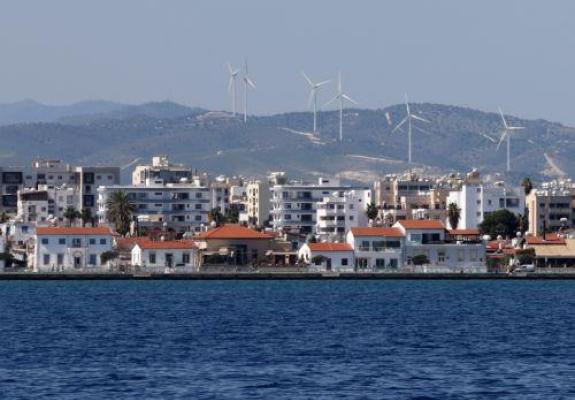
Presenting the “first EU strategy dedicated to coastal communities”, Kadis said that that the island of Cyprus and the coastal community of Paphos was “an ideal setting to present the newly adopted EU policy package dedicated to islands and coastal communities”.
He noted that the strategy on EU coastal communities, brings together existing and future Commission actions addressing the challenges and opportunities of Europe’s coastal areas.
Referring to the significance of the Strategy, Commissioner Kadis said that the European Union already supports coastal communities through sectoral policies and a wide range of regional policy and planning instruments.
However, he continued, these policies are often fragmented and spread across different policy frameworks. “This makes it more difficult for Member States to develop coherent national approaches for coastal communities”, he said, adding that the new Strategy is designed to address this gap.
Through 13 flagship actions, he said, the Strategy provides a single, coherent policy framework to improve the implementation of relevant EU policies and ensure that the needs of coastal communities are better reflected in European initiatives. It also complements and supports the related strategies for islands and outermost regions.
Kadis said the Strategy is built around three pillars: prosperity, resilience and the liveability of coastal communities.
According to the Commissioner's presentation, the first pillar focuses on strengthening the economic development of coastal areas by diversifying the blue economy and creating new employment opportunities. The Strategy includes measures to make better use of marine data, promote the blue bioeconomy, develop a certification methodology for blue carbon credits, and encourage innovative technologies and partnerships that will enhance the competitiveness of coastal communities.
The second pillar aims to strengthen the resilience of coastal areas to climate change and environmental and socio-economic challenges. It provides for investments in climate adaptation projects, measures to protect and restore marine ecosystems, and the use of advanced digital tools for forecasting and managing extreme weather events.
The third pillar focuses on improving quality of life in coastal areas so that they remain attractive places to live and work. The Strategy promotes investment in education, skills and youth employment, improves access to essential services, connectivity and affordable housing, and supports initiatives such as the New European Bauhaus to enhance the built environment and strengthen social cohesion.
Kadis said that implementation of the Strategy will rely on better alignment and use of the EU’s funding and investment instruments, programmes and implementing bodies, including the European Investment Bank, national promotional banks and multilateral financial institutions.
In this context, he said, the Strategy’s priorities are expected to be reflected in the EU's future funding instruments, stressing that its success will depend on close coordination at European, national, regional and local level.
Kadis also gave examples of how Cyprus could benefit from the Strategy.
He said that Cypriot research institutions, including the Cyprus Marine and Maritime Institute, the Eratosthenes Centre of Excellence, the KIOS Research and Innovation Centre of Excellence, and the Oceanography Centre of the University of Cyprus, could participate in the OceanEye marine observation initiative.
A second example, he said, is support for the further development of fisheries tourism, which could provide an additional source of income for small-scale fishers while enriching Cyprus’ tourism product and supporting coastal communities.
He also said that Cyprus could benefit from blue carbon credits.